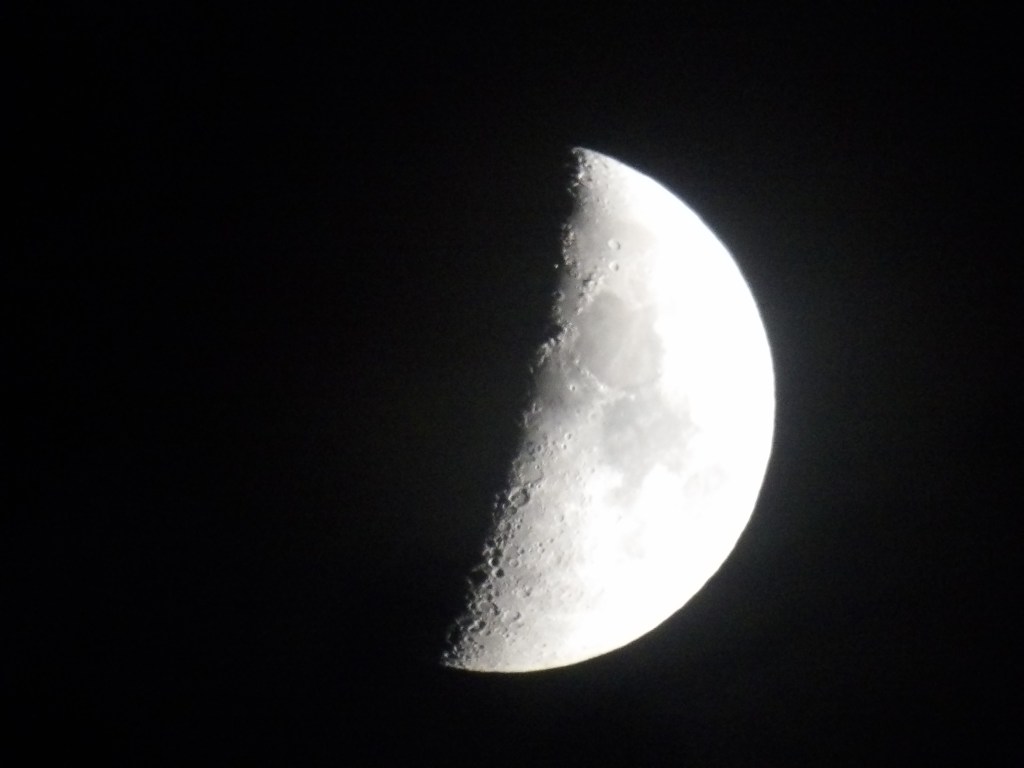
Looking up and around.

KODAK Digital Still Camera

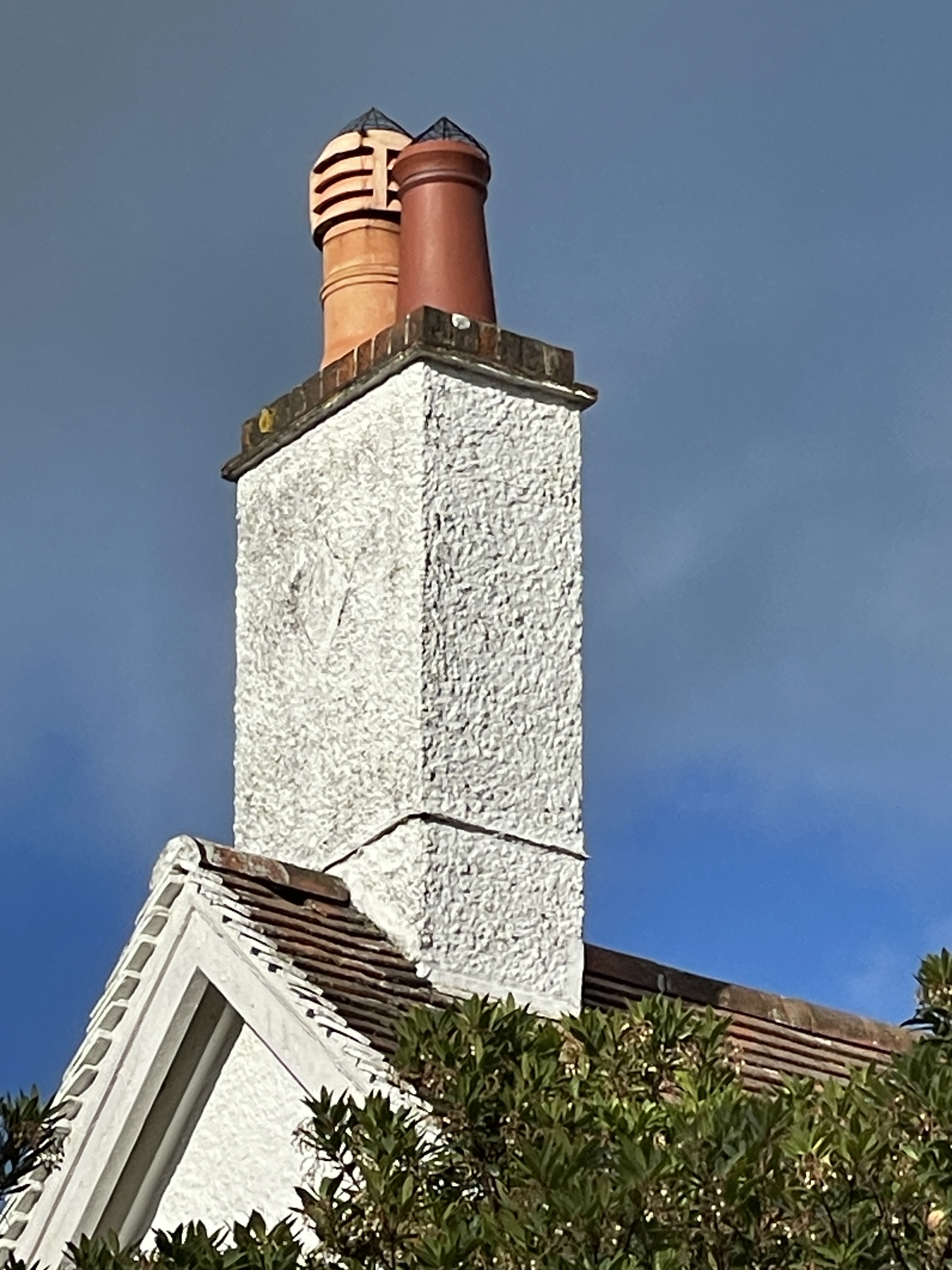
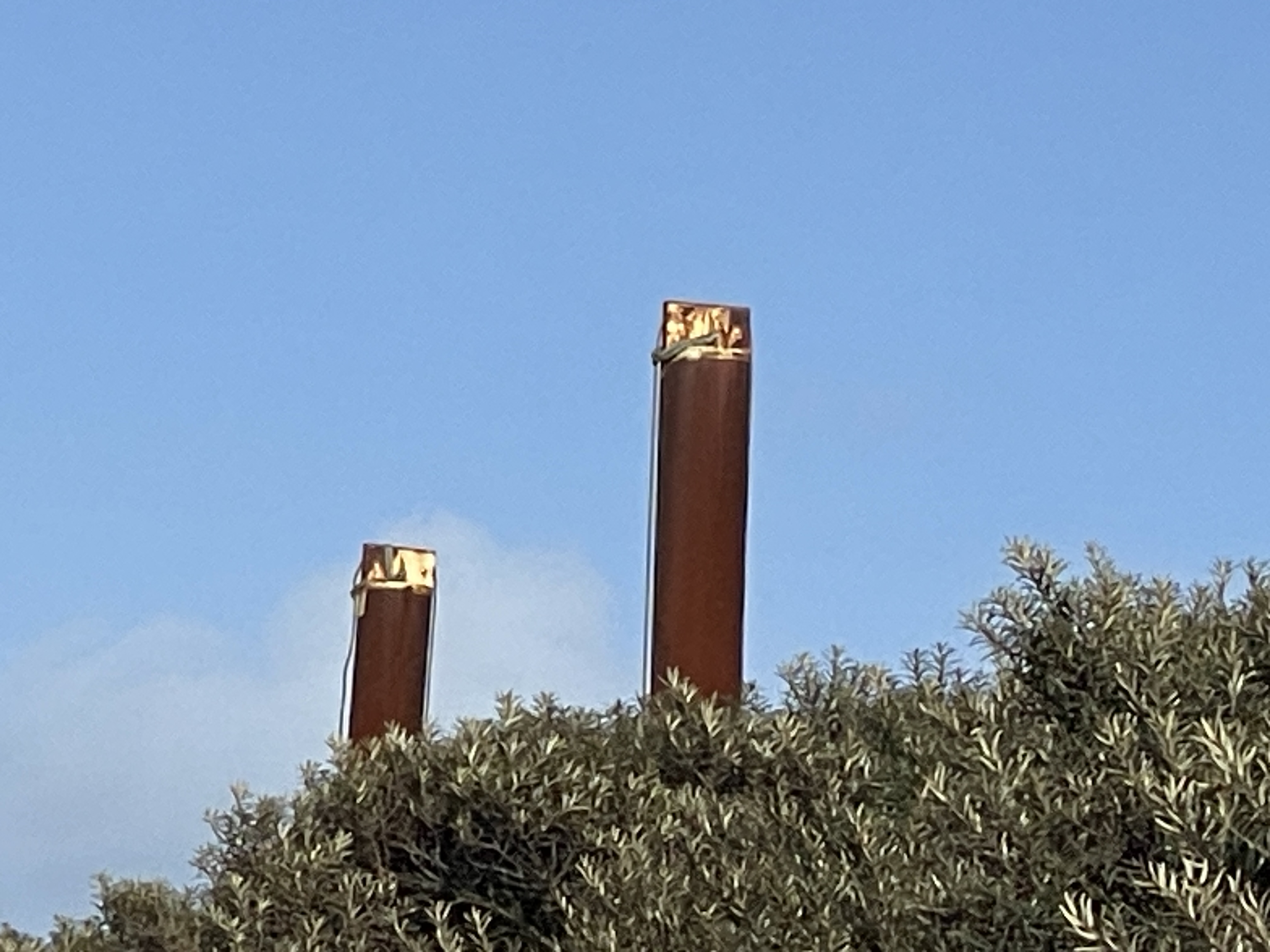
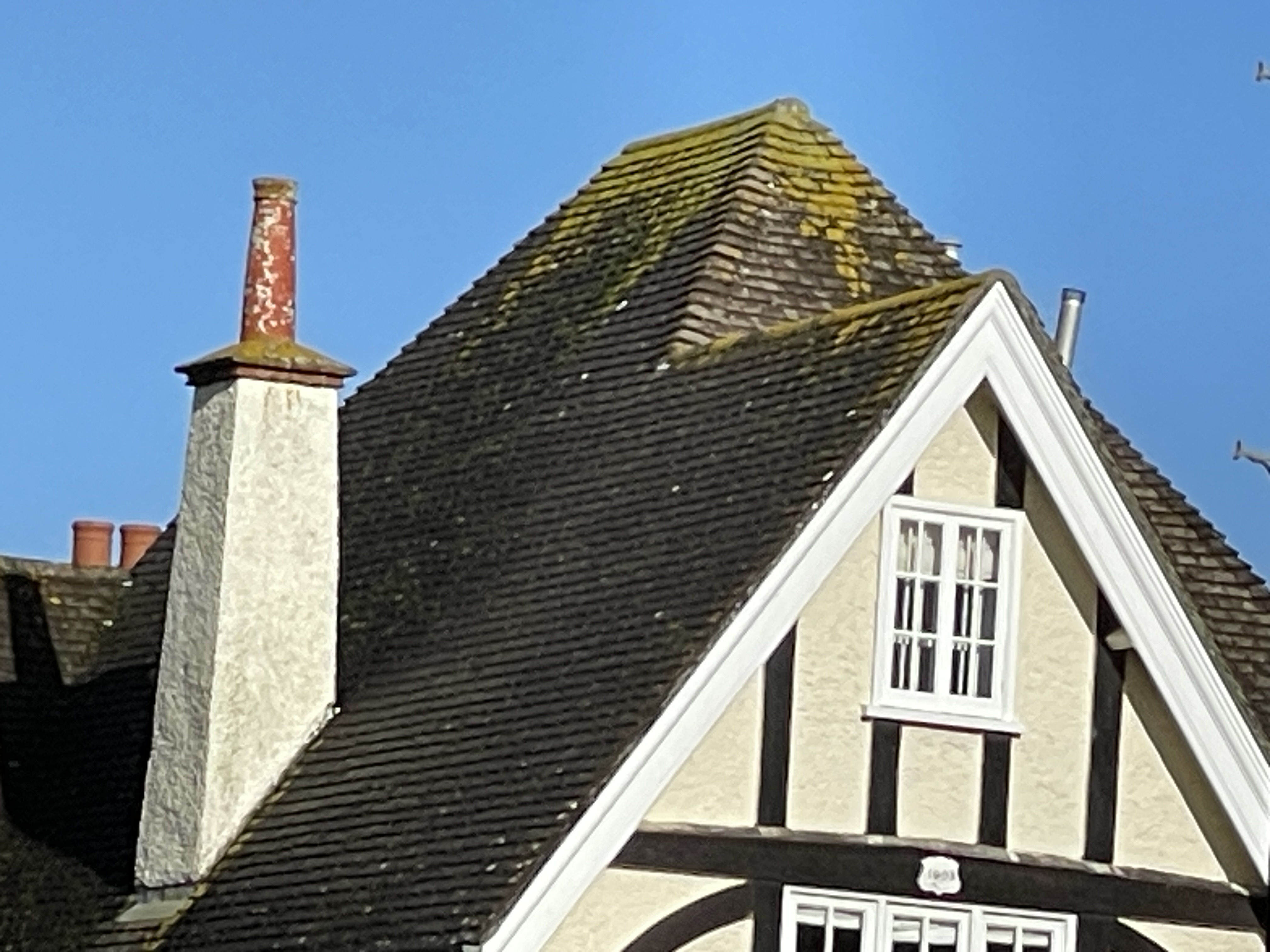
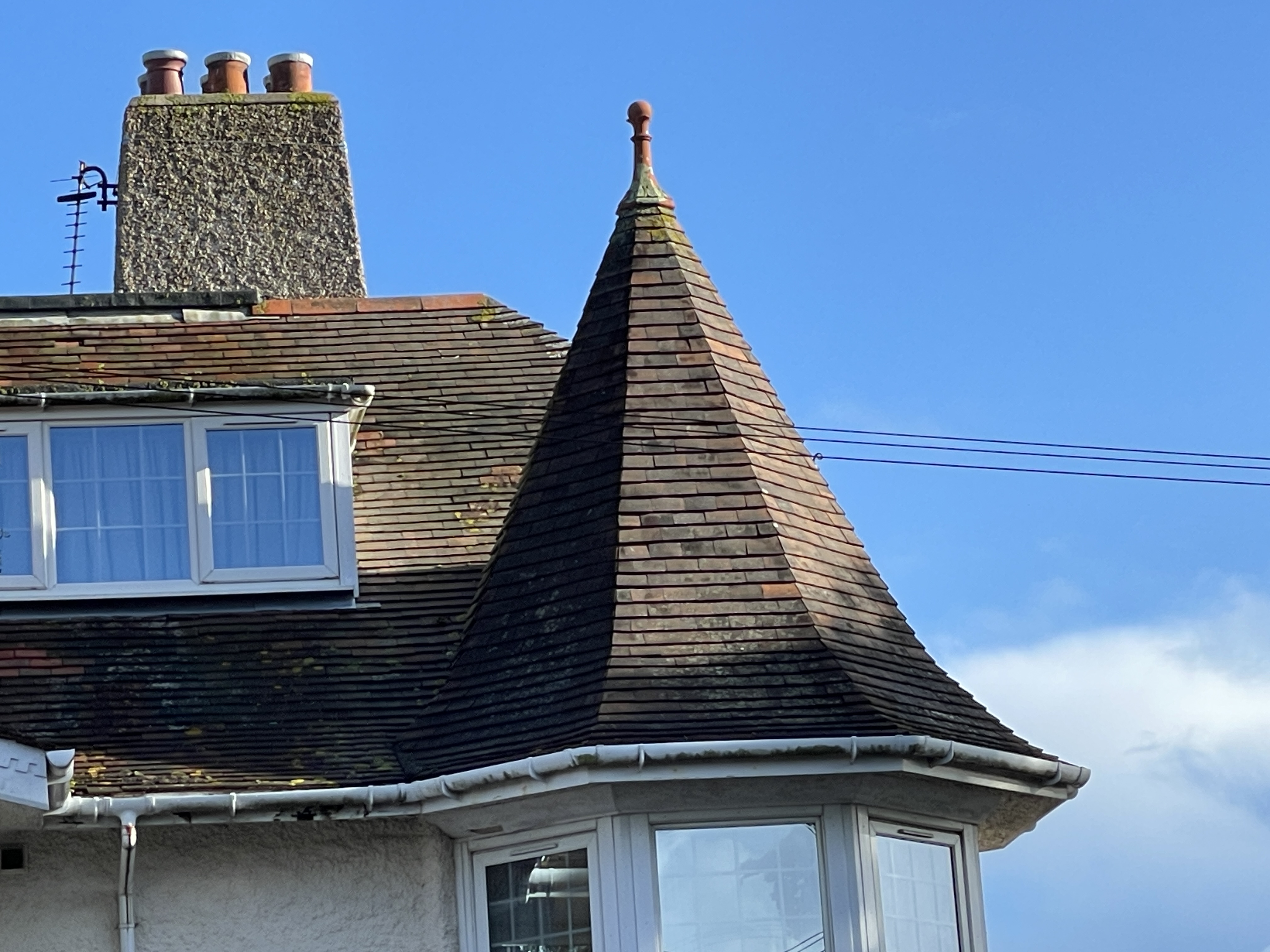
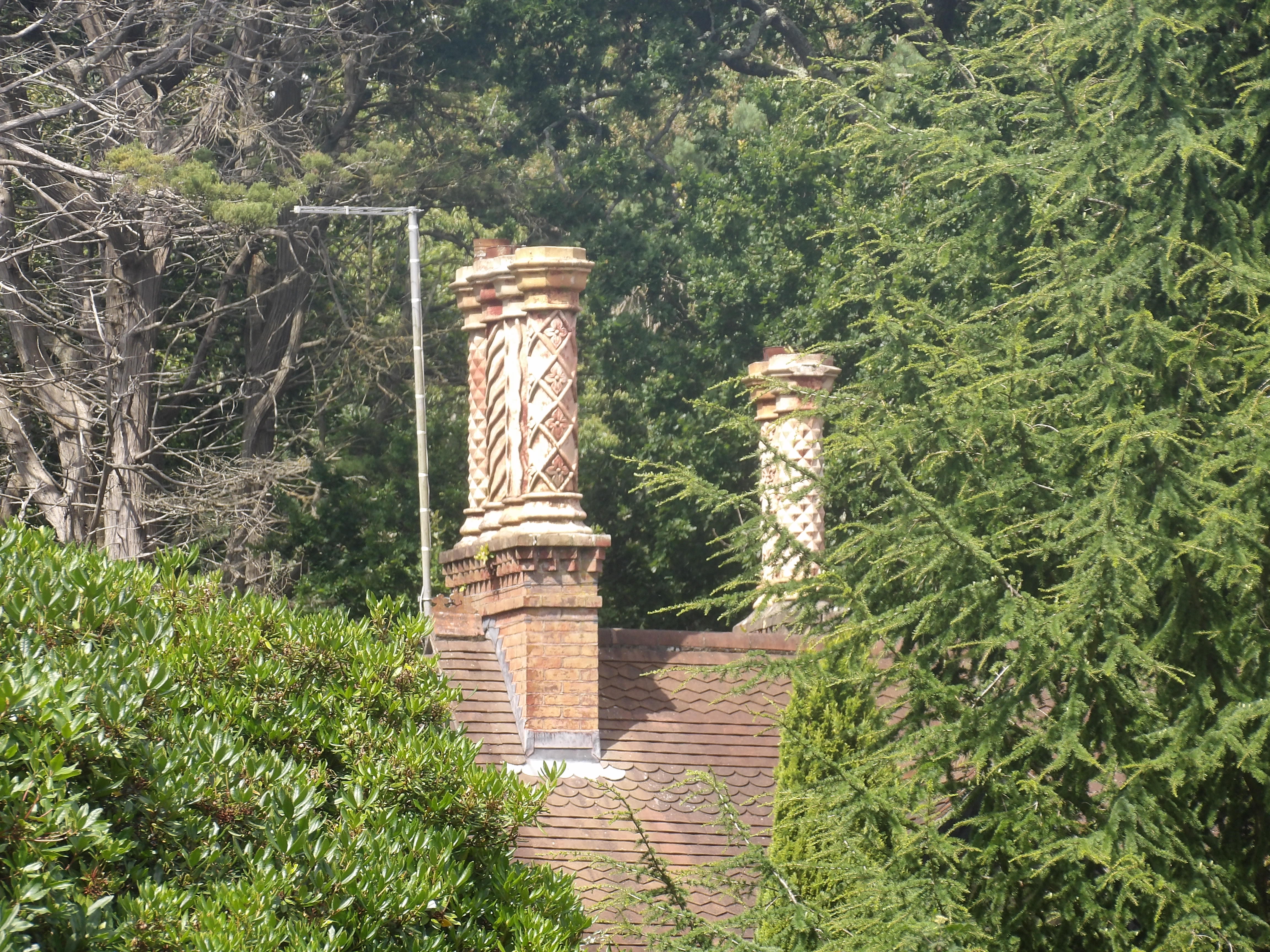
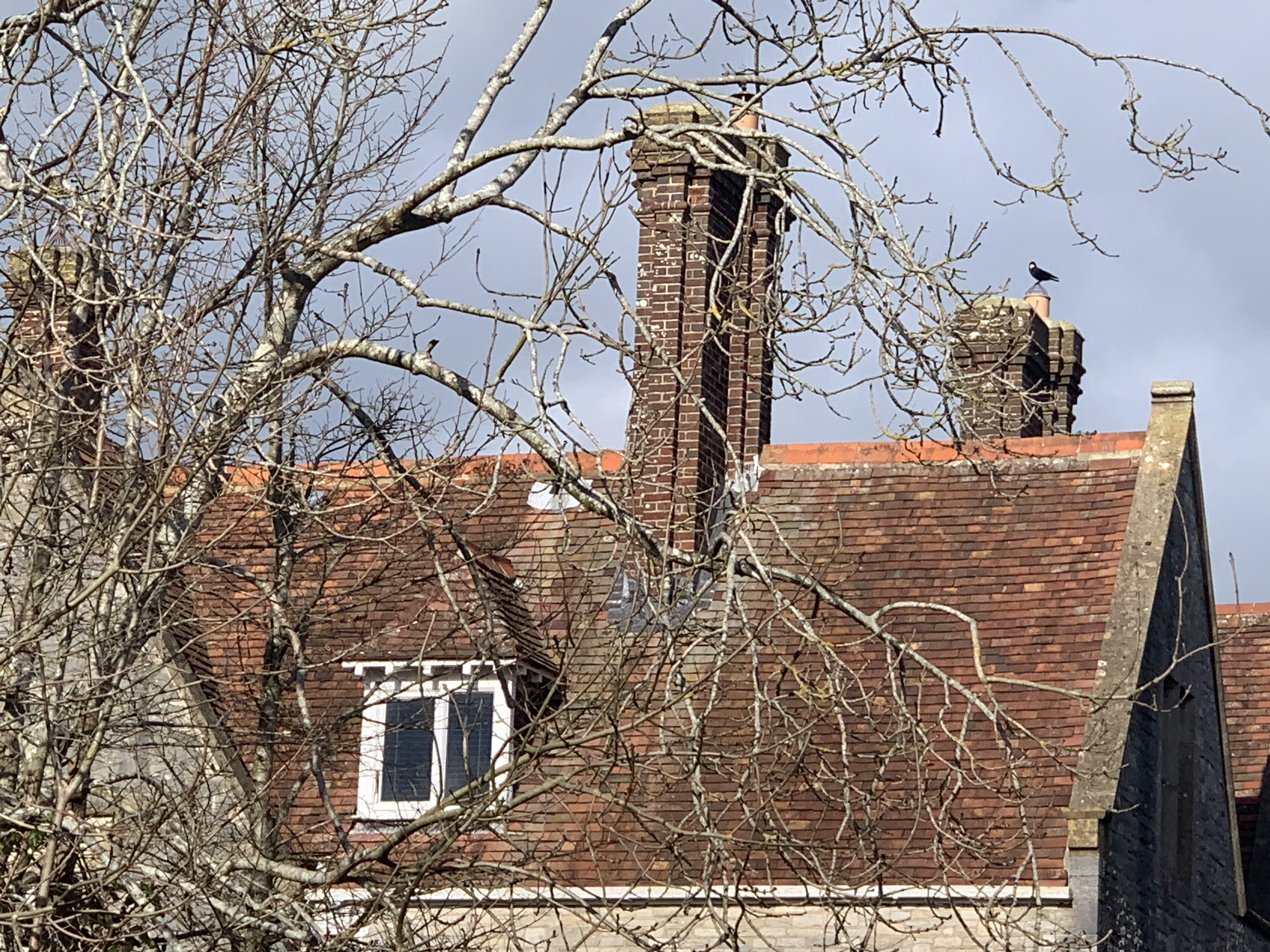
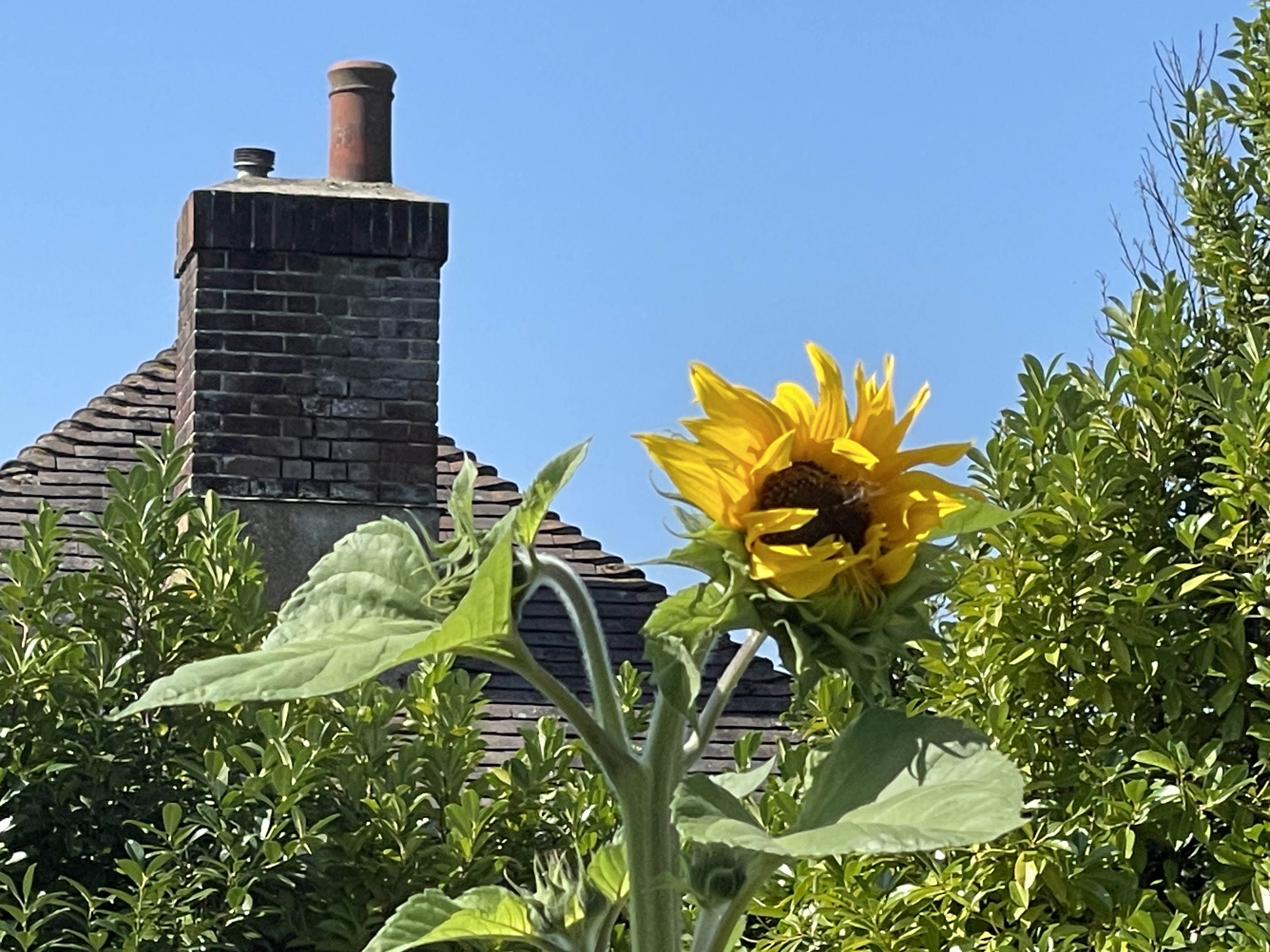
The moon , the sky , chimneys , a roof or even what’s on top of a roof . We are all guilty of not seeing what’s above us .

Chimneys have been an important part of buildings for centuries – particularly in colder climates where there is a need to retain heat but remove smoke, and prevent downdrafts. In British architecture, they were first found in castles , and then in manor houses.

It was in manor houses that the first of what today would be called chimney pots appeared. And in the Tudor period it became fashionable to have very ornate brick chimneys and stacks. While much simpler versions of chimney pots became common on ordinary homes around the Elizabethan period.

A chimney is the entire structure that carries off the smoke from a fire. Rather oddly, to modern eyes, some early chimneys were made from wood – until the practice was outlawed by early fire prevention laws.

chimneys were also a status symbol , the taller and more ornate the chimney the richer you were and higher up the smoke was in the air the less pollution.

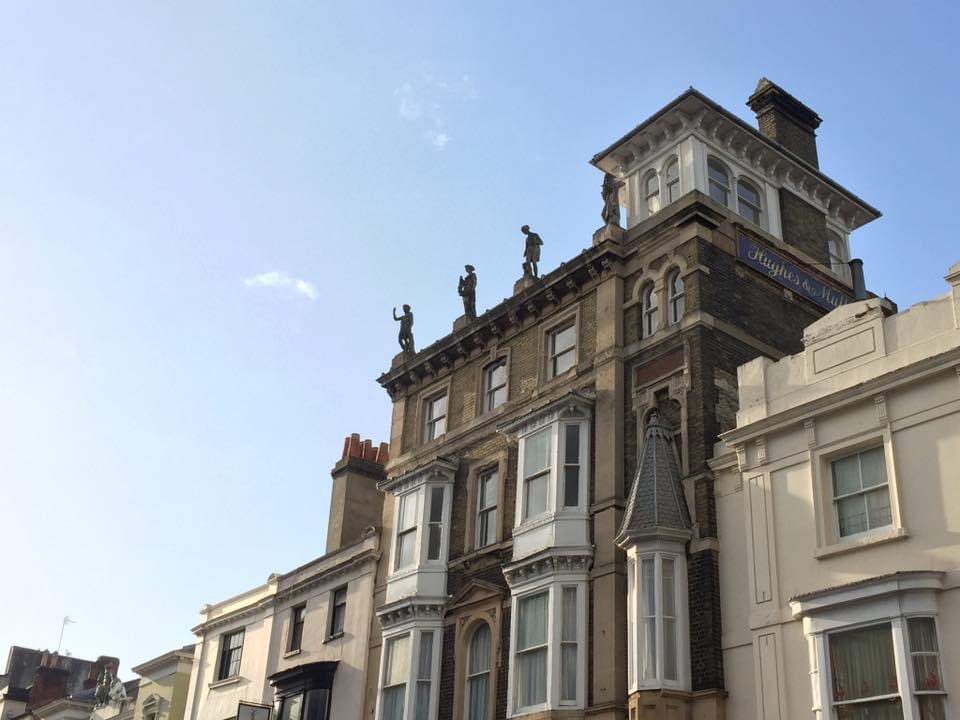
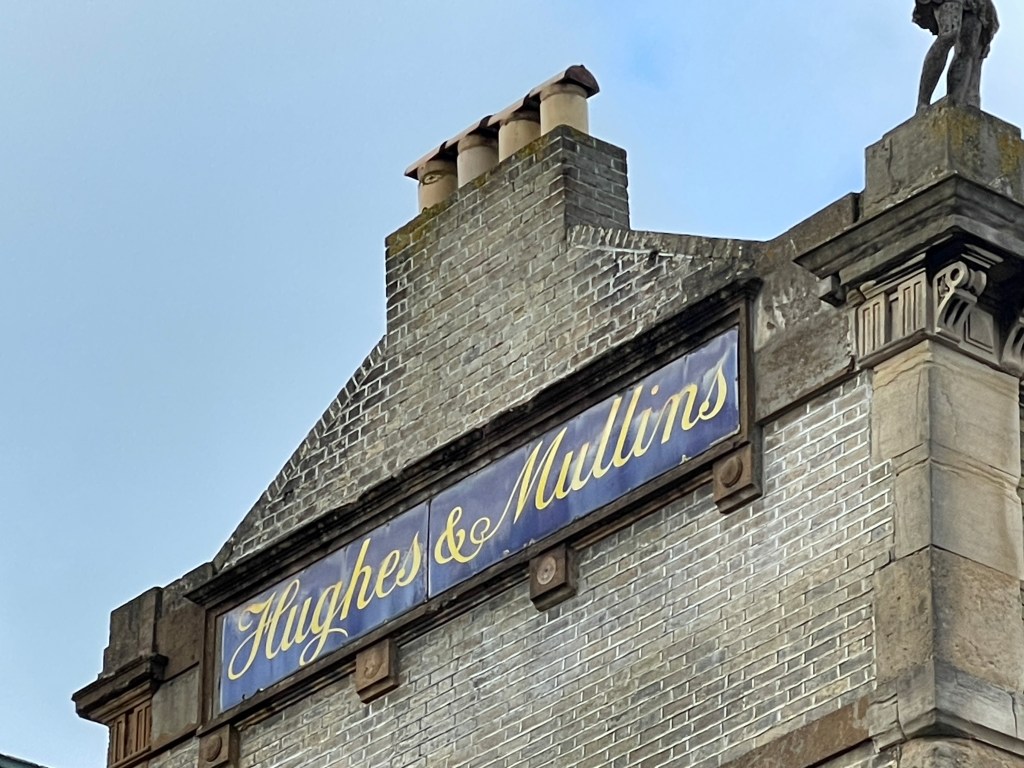
The Four Seasons which is on top of the Victorian arcade in Union street Ryde which has inside the Donald McGill museum among other small shops ., on the side is an old sign for Hughes & Mullins .Many members of Royal family were photographed here.

This is Regina House which was built in 1865. and once home and business of Jabez Hughes Royal photographer.

Later Gustav Mullins became a partner and their names are on the side still and the beautiful four seasons statues still n the top..Take a look up when next in Union Street.

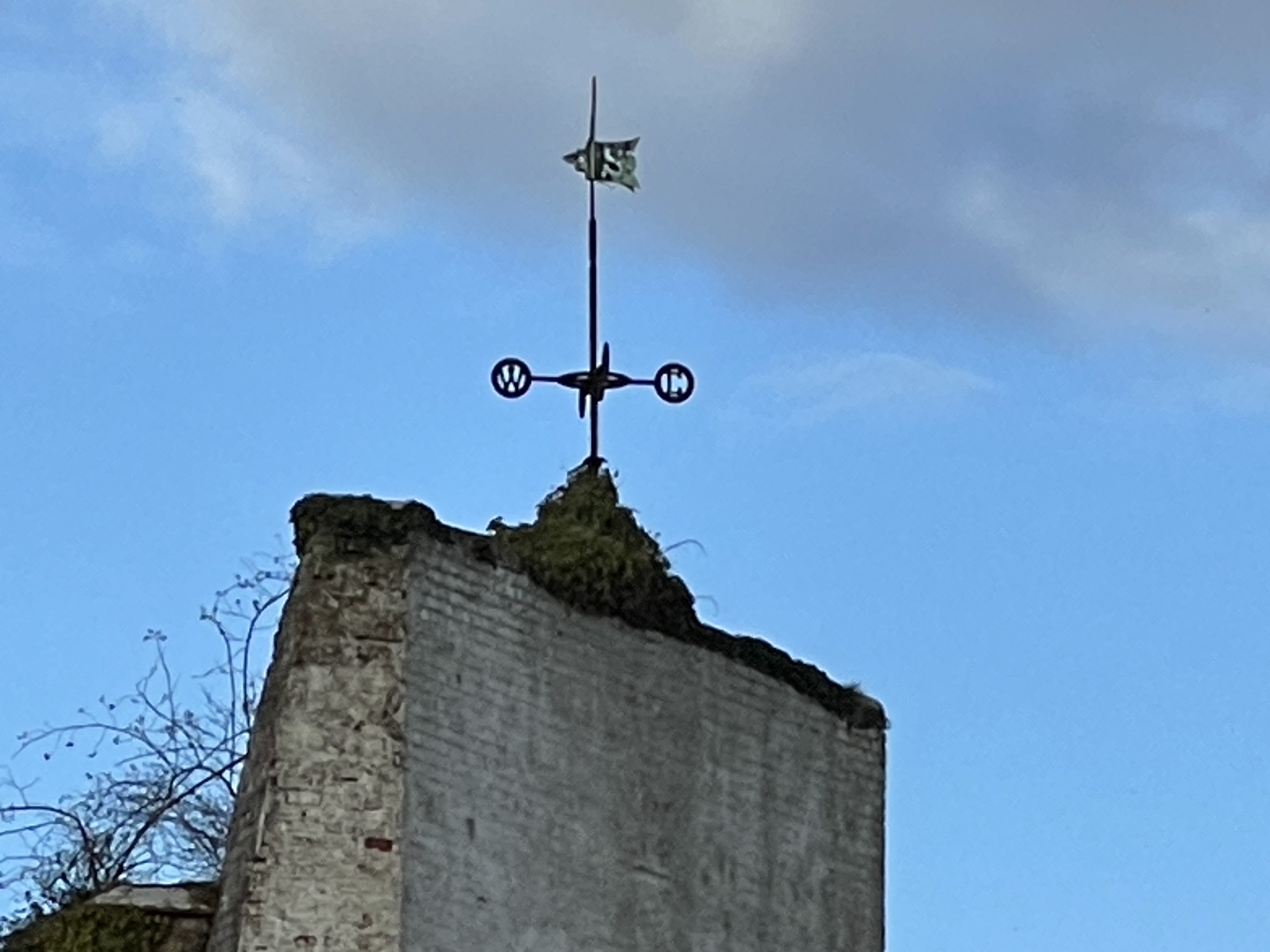
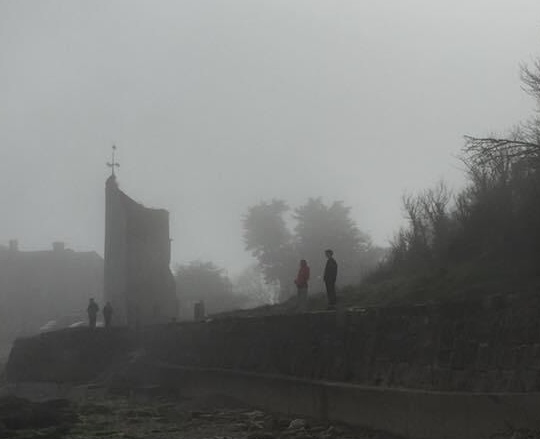
The church is a great monument to the area and has been here since the 15 th century and before ..It stands just off National trust land perched where the sea meets the land .It serves as a marker for those at sea.

Only the rower was left in the 17th century and was bricked up and pasted white asa seamark for nNavy ships in 1719.

If you look up you can see the beautiful emblem on the top.
Bees in abundance.
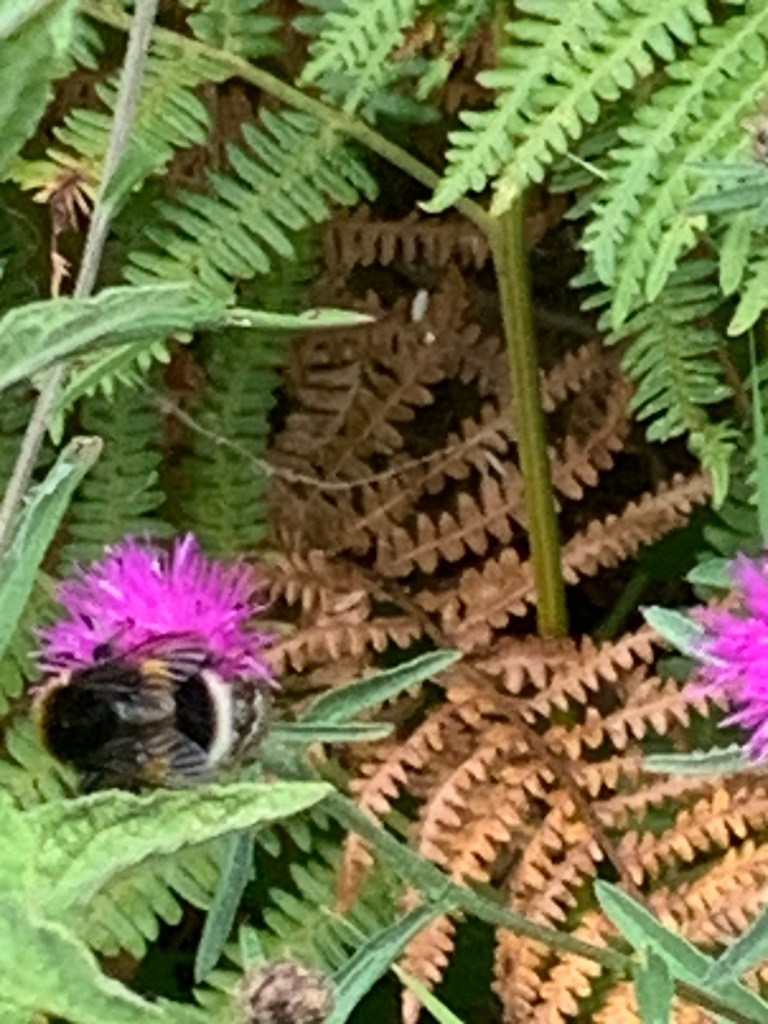
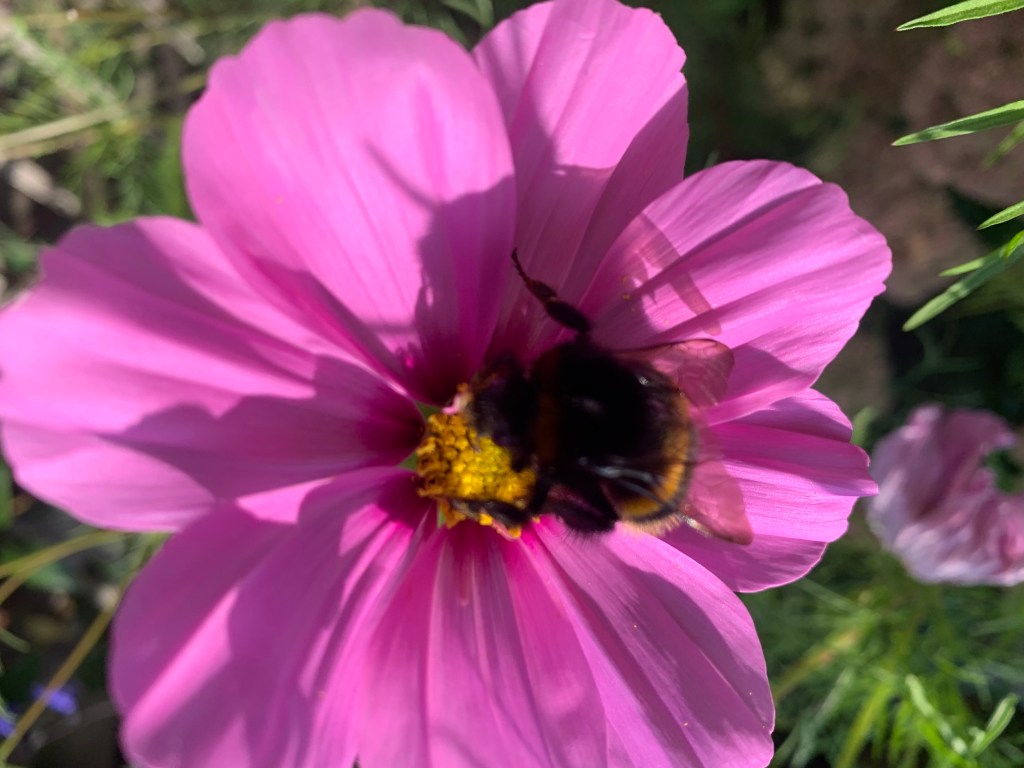
Bees and butterflies are so important to our environment , in fact it has been said that without them we would not be here . This year I have tried to plant as many bee and butterfly plants that I could .

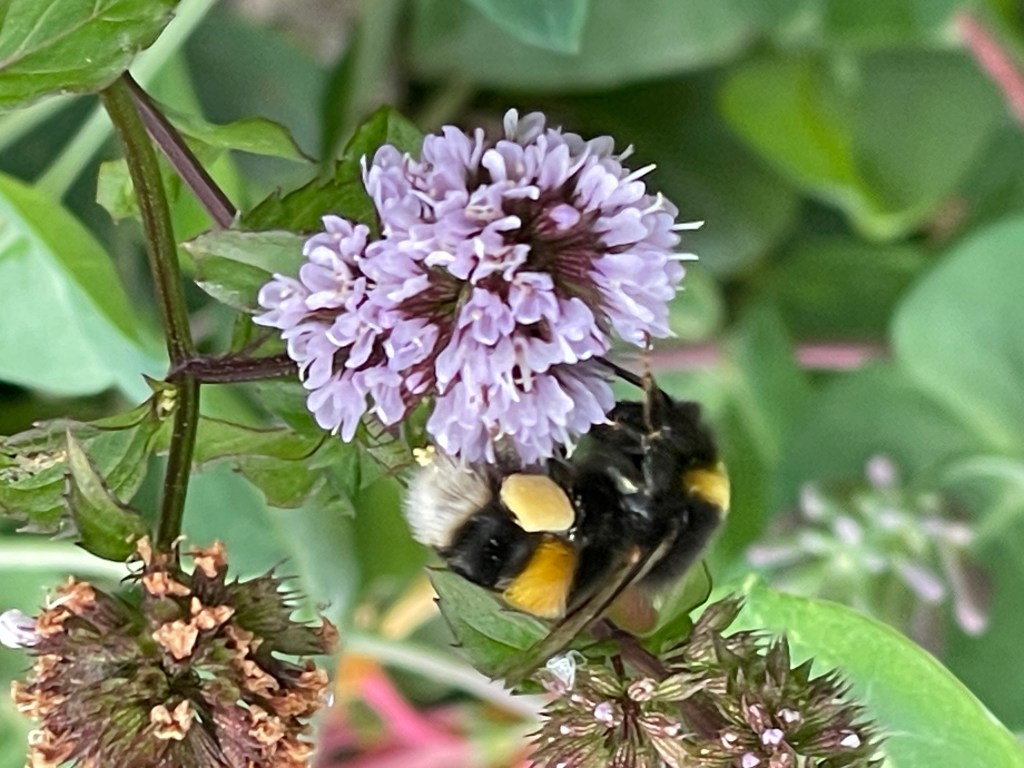
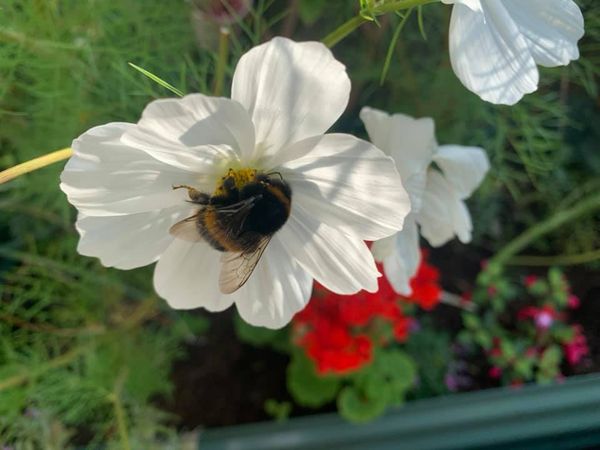
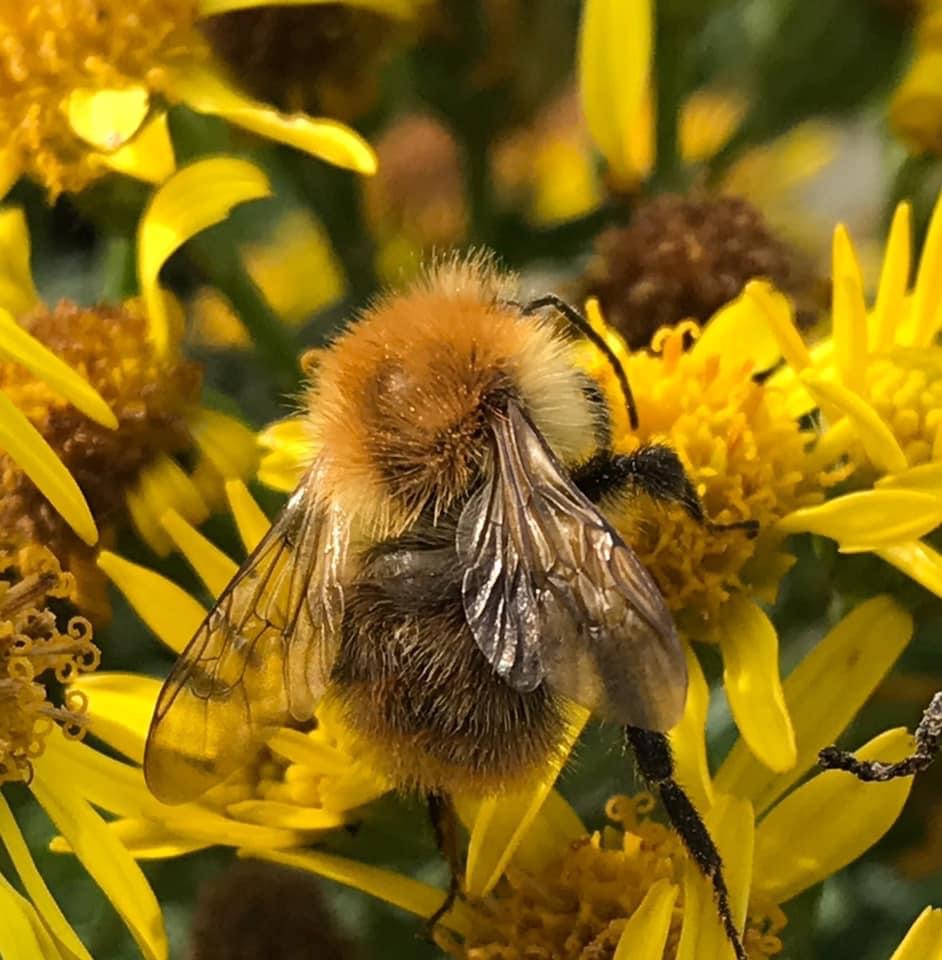
The bees below were in my little garden over the last few weeks and on these plants. The Verbena plant is beautiful with hundreds of tiny flowers on each flower head and I am sure the bees go on every tiny flower . I could watch them for hours .

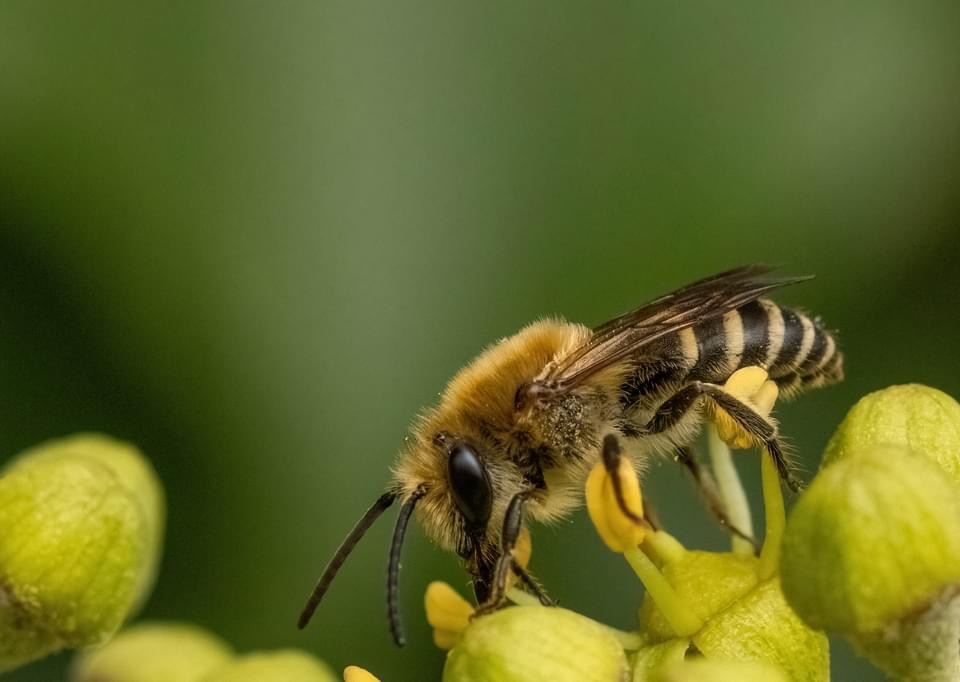
of course it’s getting near to the times when they mostly disappear for the winter but there is a bee called an ivy bee which only appears between September and November when pollen on other flowers is in short supply .

The ivy bee was first recorded in the UK in 2001, and has now been found in much of Southern England and Wales, and in the Channel Islands. As suggested by its common name, Ivy is the main plant used by this bee for pollen. It is seen when ivy is in flower, from early September to early November. Ivy bees nest in loose, light or sandy soil on southern-facing banks and cliffs with ivy nearby for foraging. They are solitary bees, but when conditions are suitable, there may be thousands of nests in the same area.

Our bees are incredible…

As a type of pollinator, bees drink the sweet nectar of flowers, moving between plants and transferring pollen, which fertilises different species, enabling them to produce fruit and seeds!

Pollinators are vital for life on earth as we know it, without them, we wouldn’t have potatoes, strawberries, tomatoes, coffee, chocolate or cotton!

However, they’re currently in decline , due to a number of factors including disease, habitat loss and the impacts of pesticide use

Agroecological ways of farming, like organic is beneficial- did you know that, on average there is 50% more abundance of plant, insect and bird life on organic farms?!

Facts you might not know

about bees🐝

1. £690 million is the mind-boggling amount that insect pollination is worth to UK crops each year. 76% of globally important commercial crops depend on insect pollination, which equates to 1 in 3 mouthfuls of food! 

2. The “waggle dance” is used by bees to teach each other about the direction and location of food sources over 6 kilometres away. Known as ‘a sat nav for bees’, the bees perform precise movements to tell other bees in the hive exactly where they have found their new fantastic food source! 

3. Bees have four wings, not two – they actually hook them together to form one big pair when flying and then unhook them when not flying!

4. There are around 75% more wild bees on organic farms – organic farming can improve the numbers of bees found in habitats surrounding the farm.

5. The average hive produces about 11kg of honey during a season! That’s the equivalent of about 24 jars. Bees must fly about 55,000 miles just to make one pound of honey (which is less than half a kilo!)

Why not visit …..

https://www.bumblebeeconservation.org/

return to main page

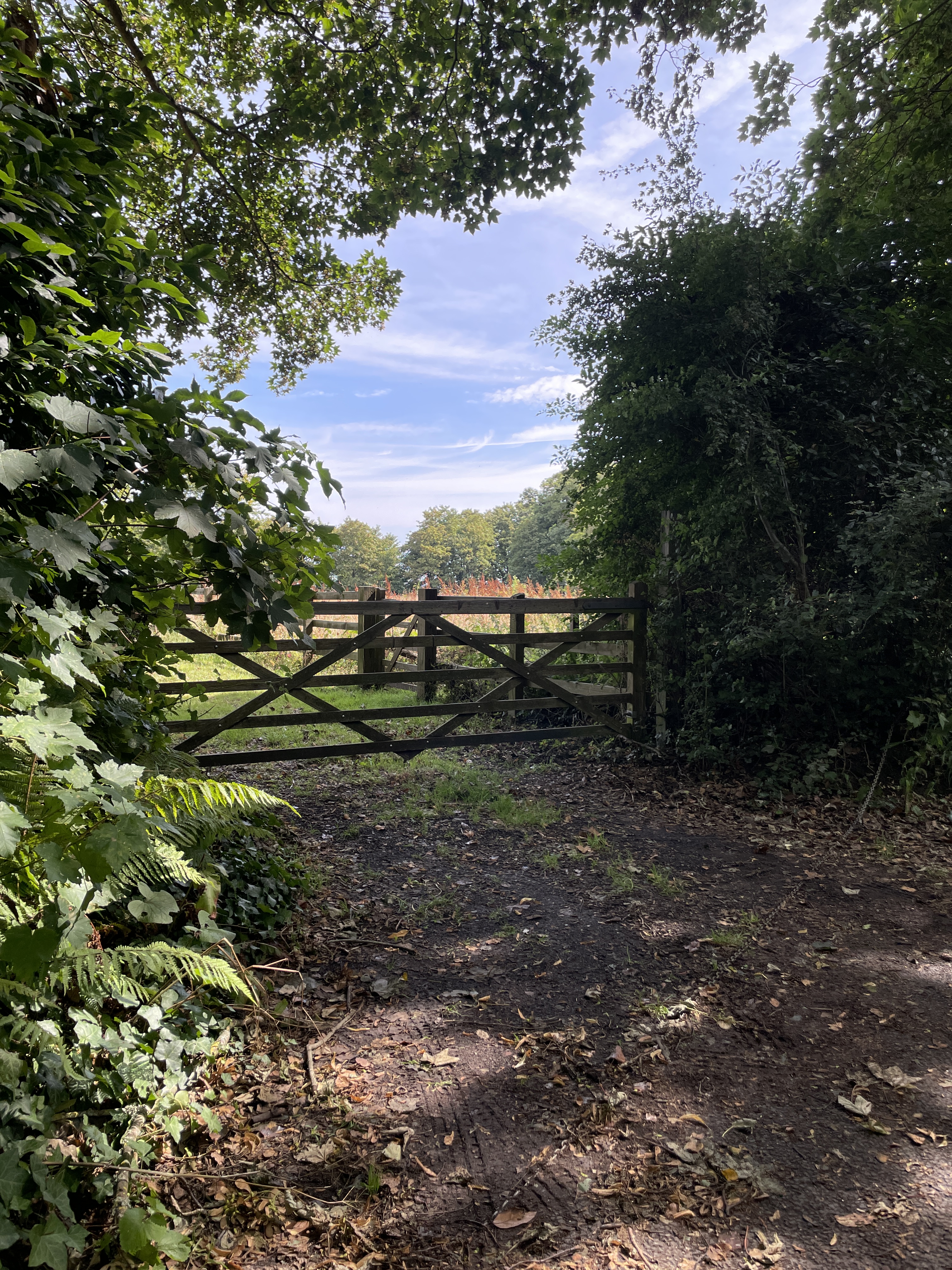
Love Lane , Bembridge.

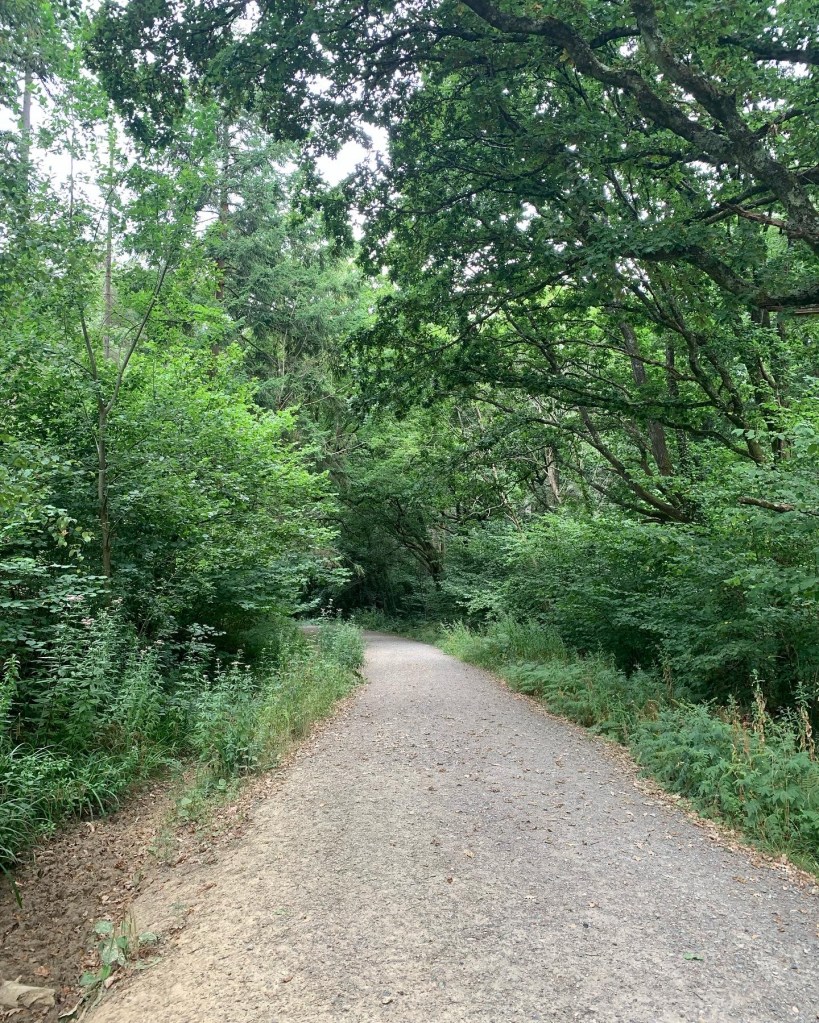
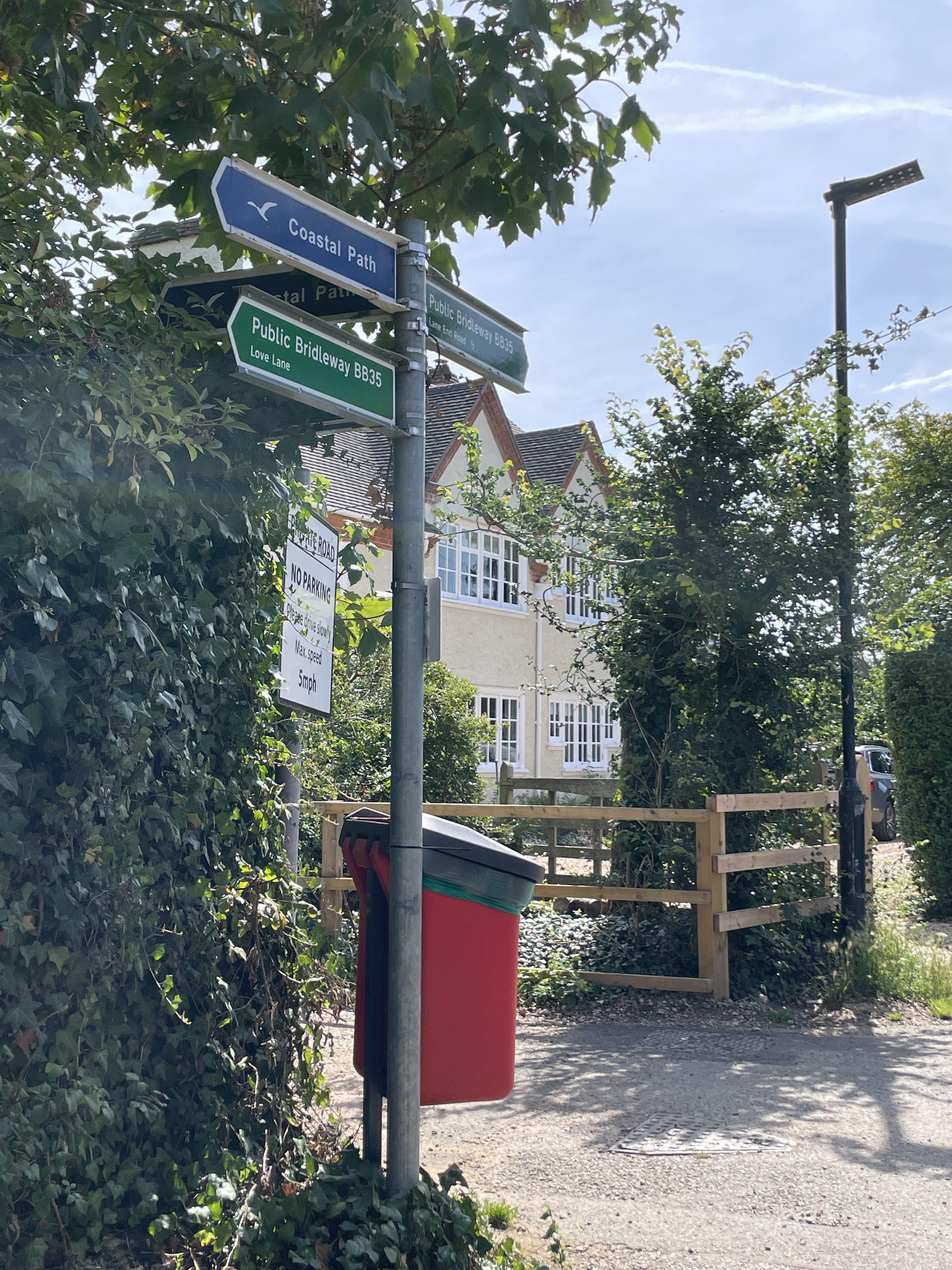
Out of my driveway and turn right and I walk to the bottom of the road . Just before I Carry on down the stony road to the beach there is a coastal path that leads in to Love lane..

So how did Love lane get its name?

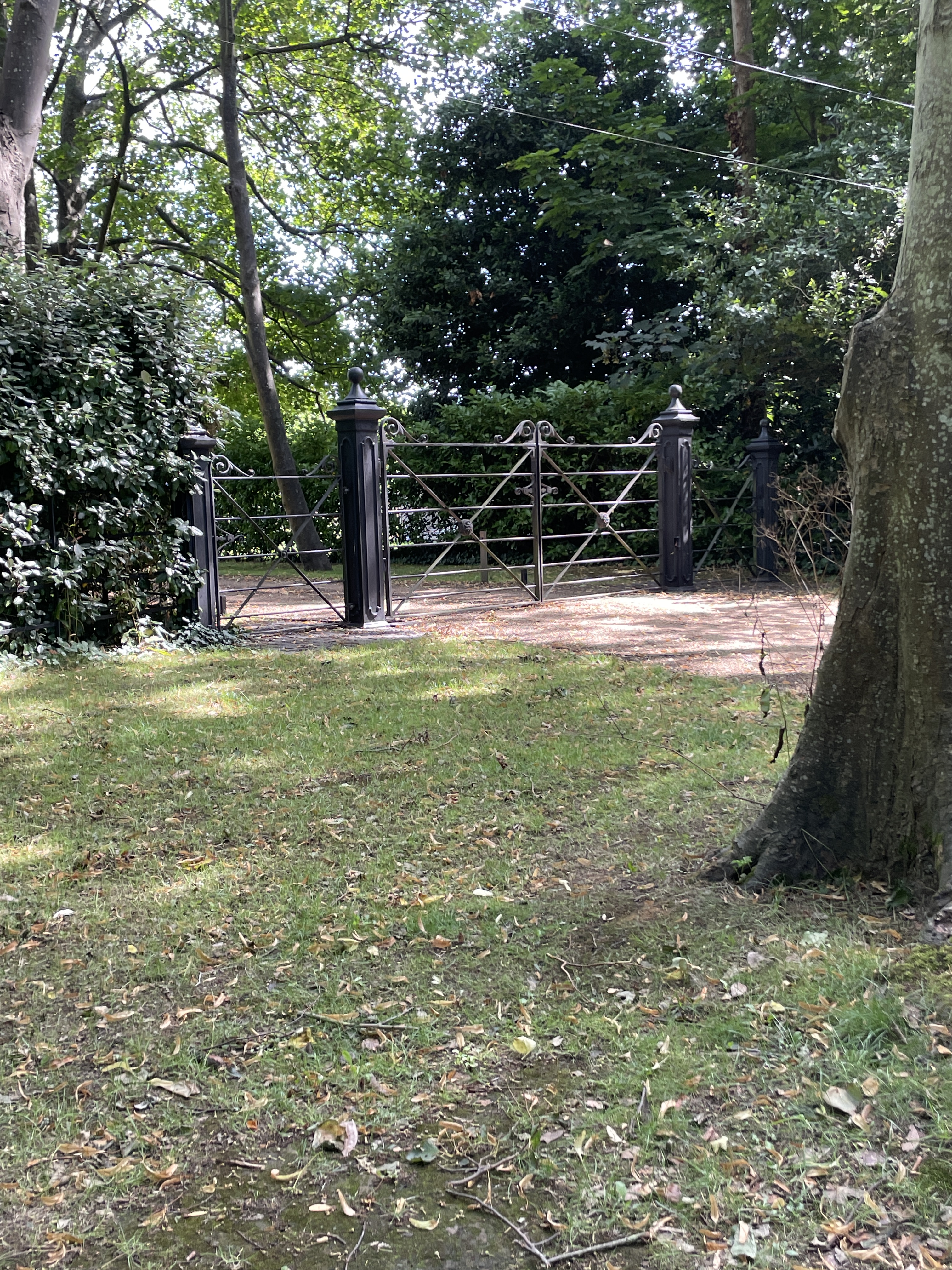
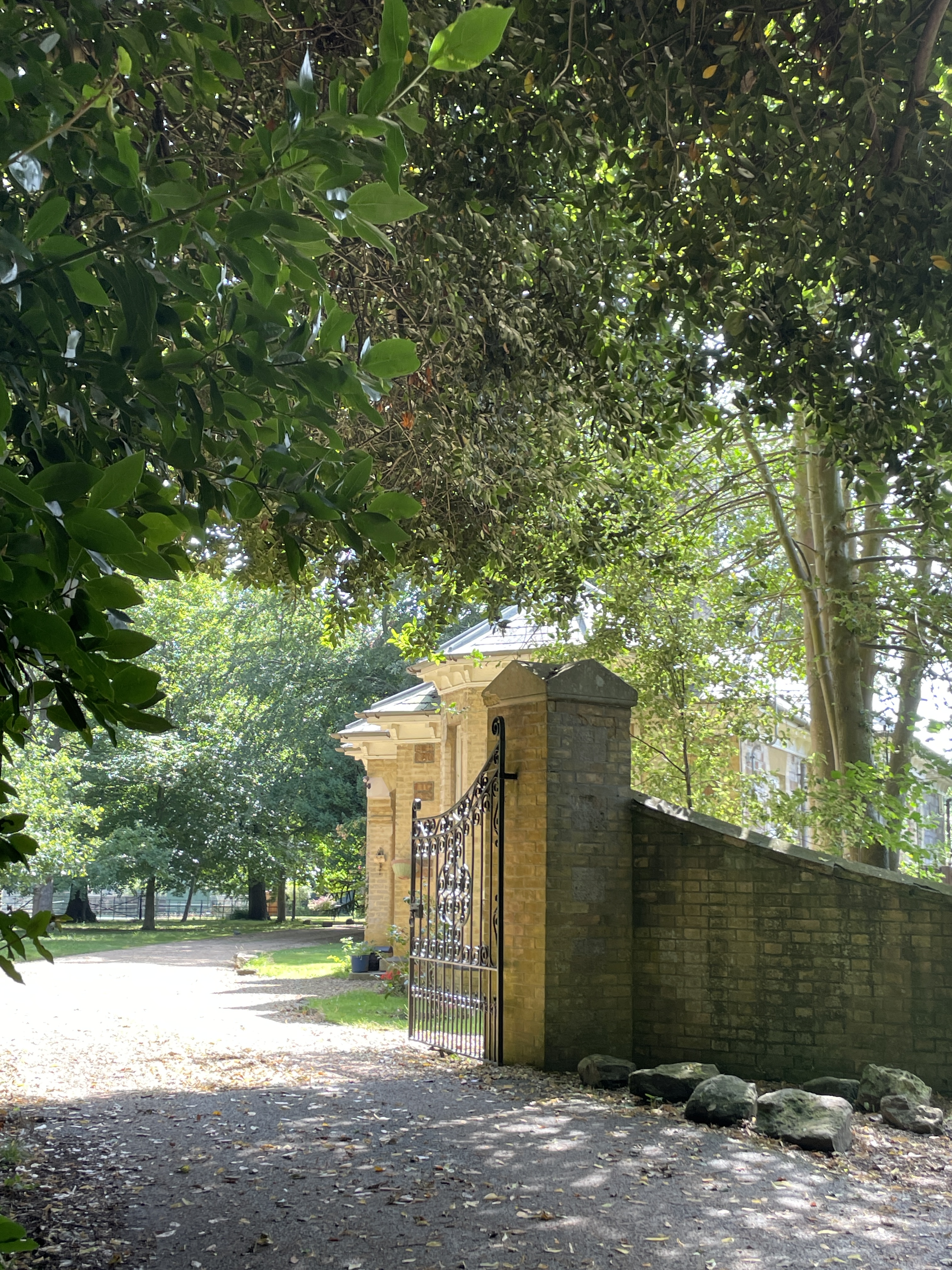
There are many beautiful houses down this lane , some have a lot of land with huge gates , some are just small dwellings but with many a tale to tell.

There is a family living in the lane named Love and their family and ancestors have lived in the house since the early 19th century.

One rumour is that in the 19th century wealthy merchants brought houses for their mistresses here in Love lane Bembridge to keep the mistresses away from their wives.

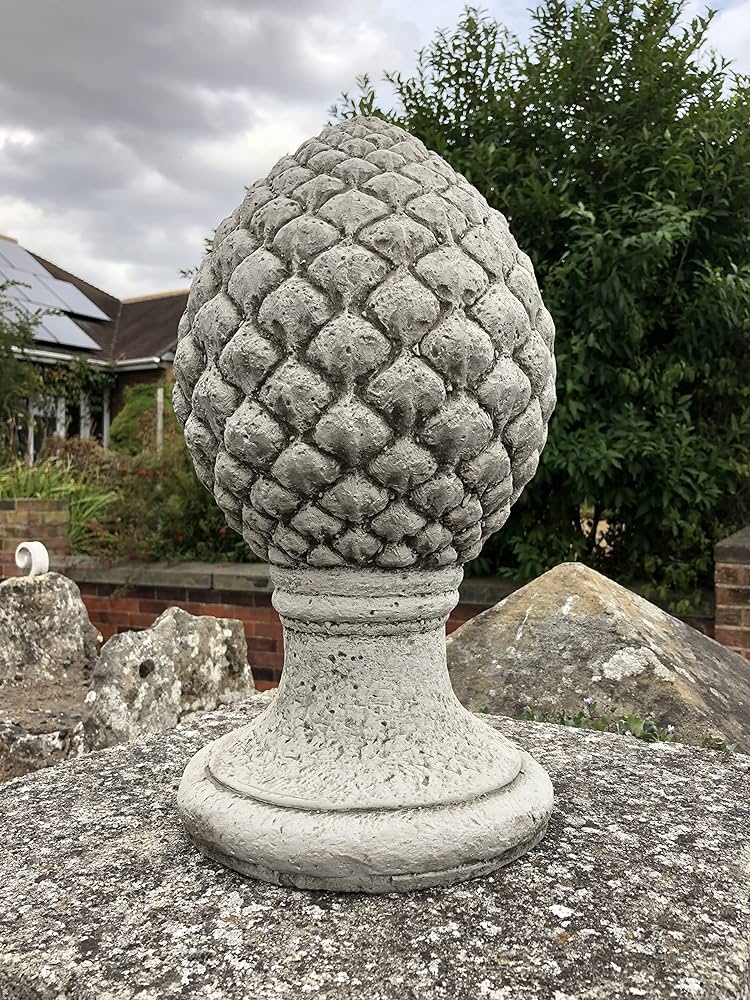
One thing to be noted is that many houses had Pineapple finials on the posts of their gates as a sign of wealth as pineapples to eat that had come from the Caribbean were very expensive . The owners of the houses often brought them back but never ate them but left them to rot by their gates as a sign of wealth . when the Pineapples died they replaced them with stone ones.

  • The first ever record of the word ‘Pineapple’ dates back to 1398. … 
  • A pineapple can take up to 3 years to grow and mature into a plant. … 
  • Only one pineapple is produced by a single plant in a single season. … 
  • A pineapple plant can stay alive and continue giving fruits for up to 50 years.

Findings on the beach.

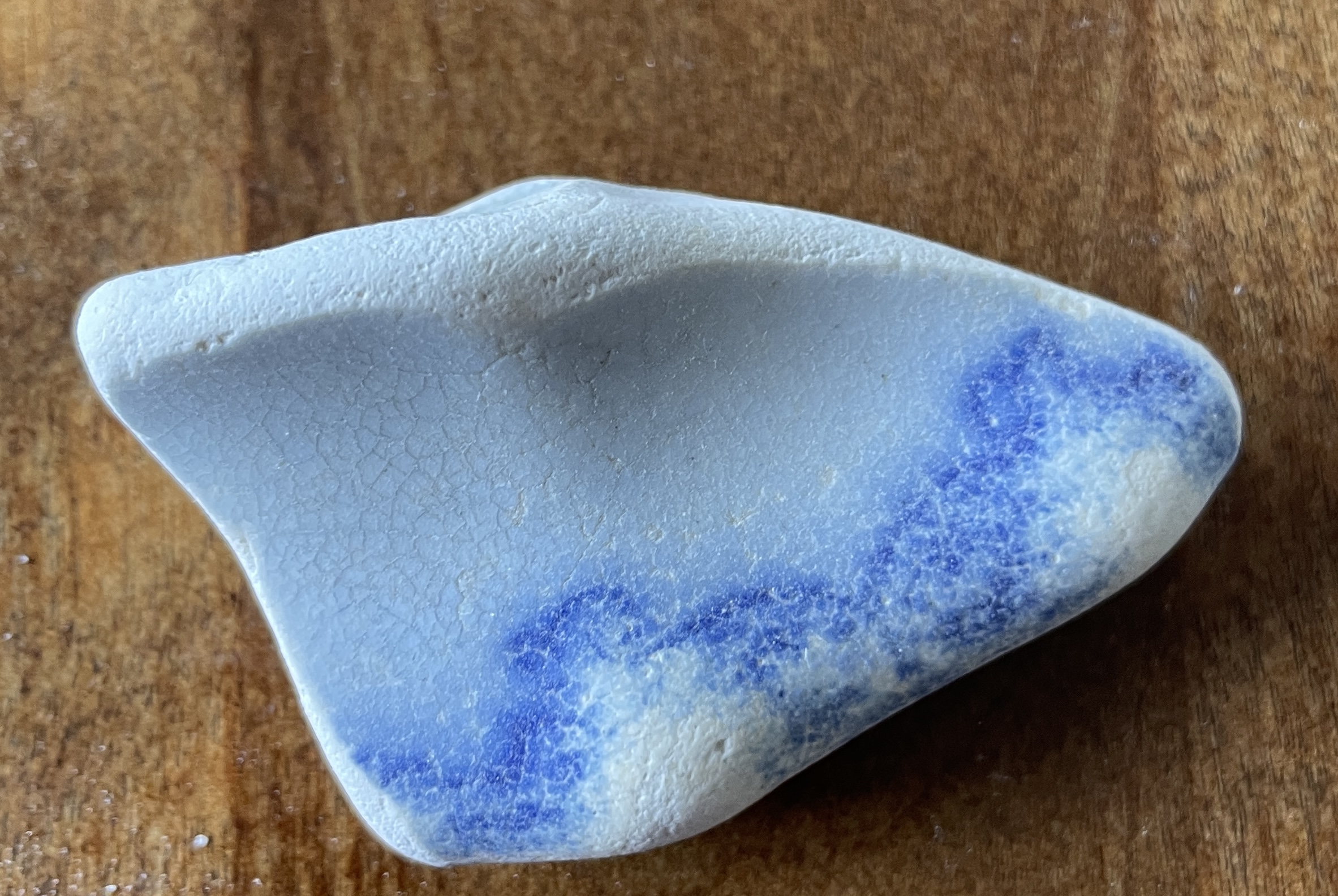
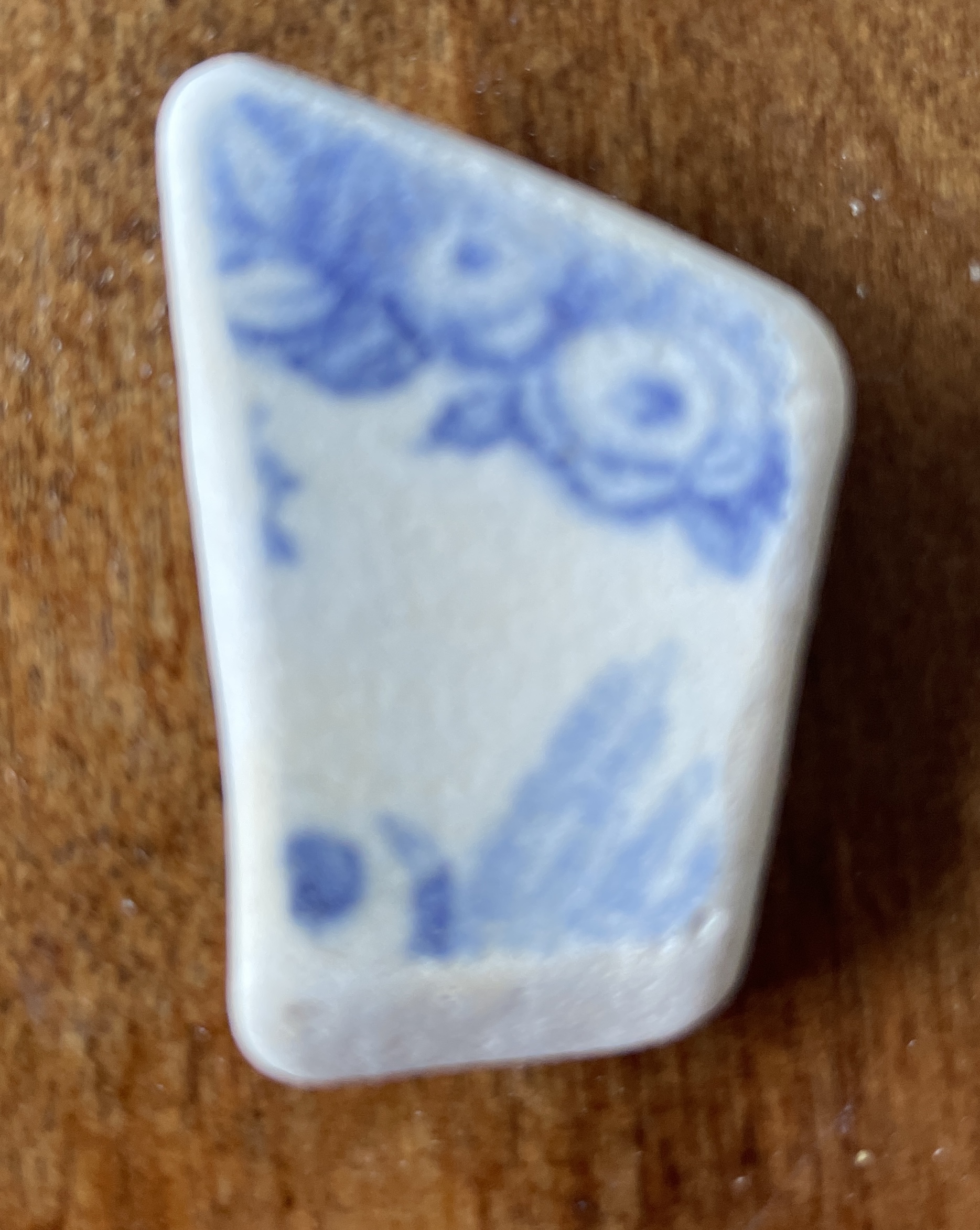
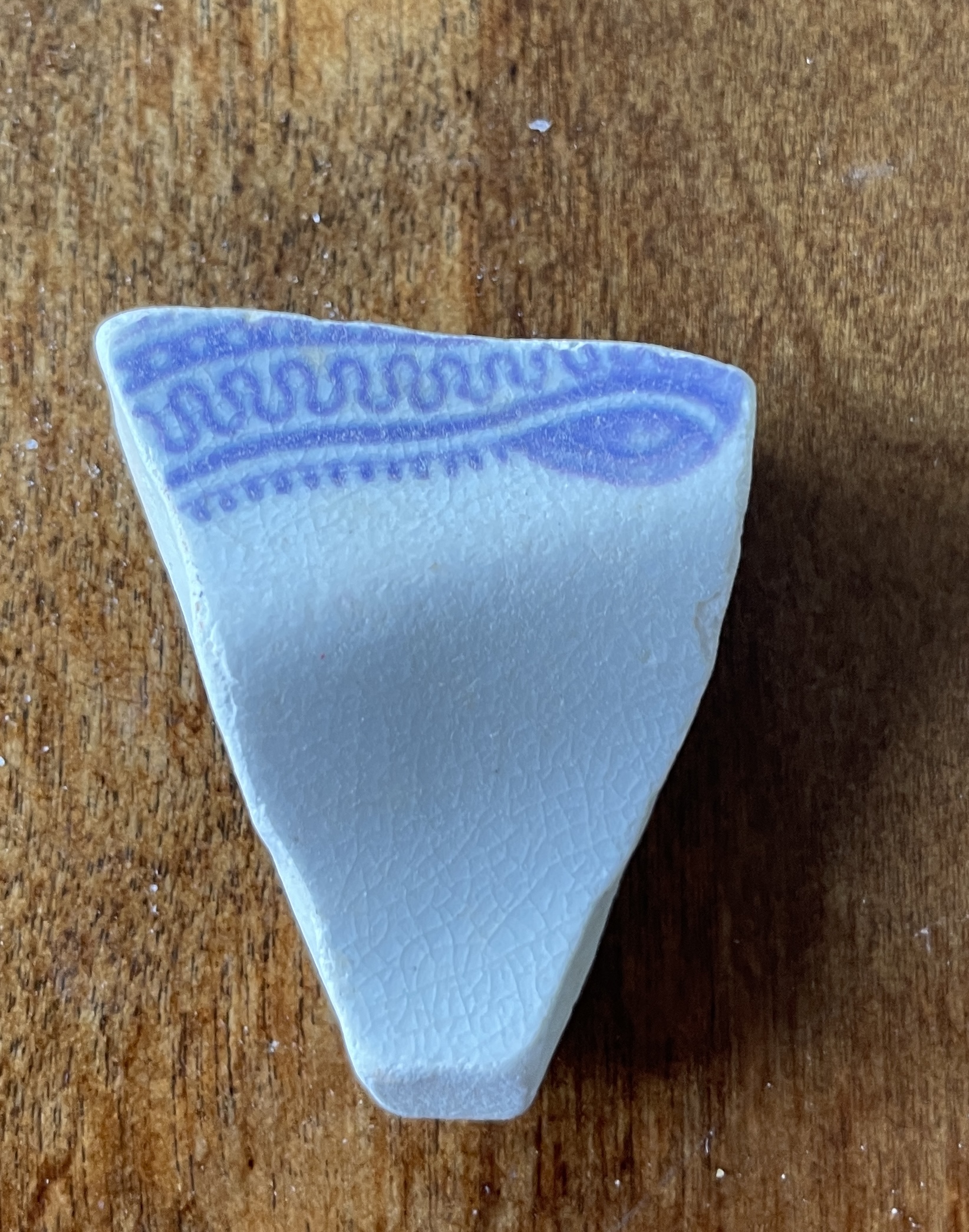
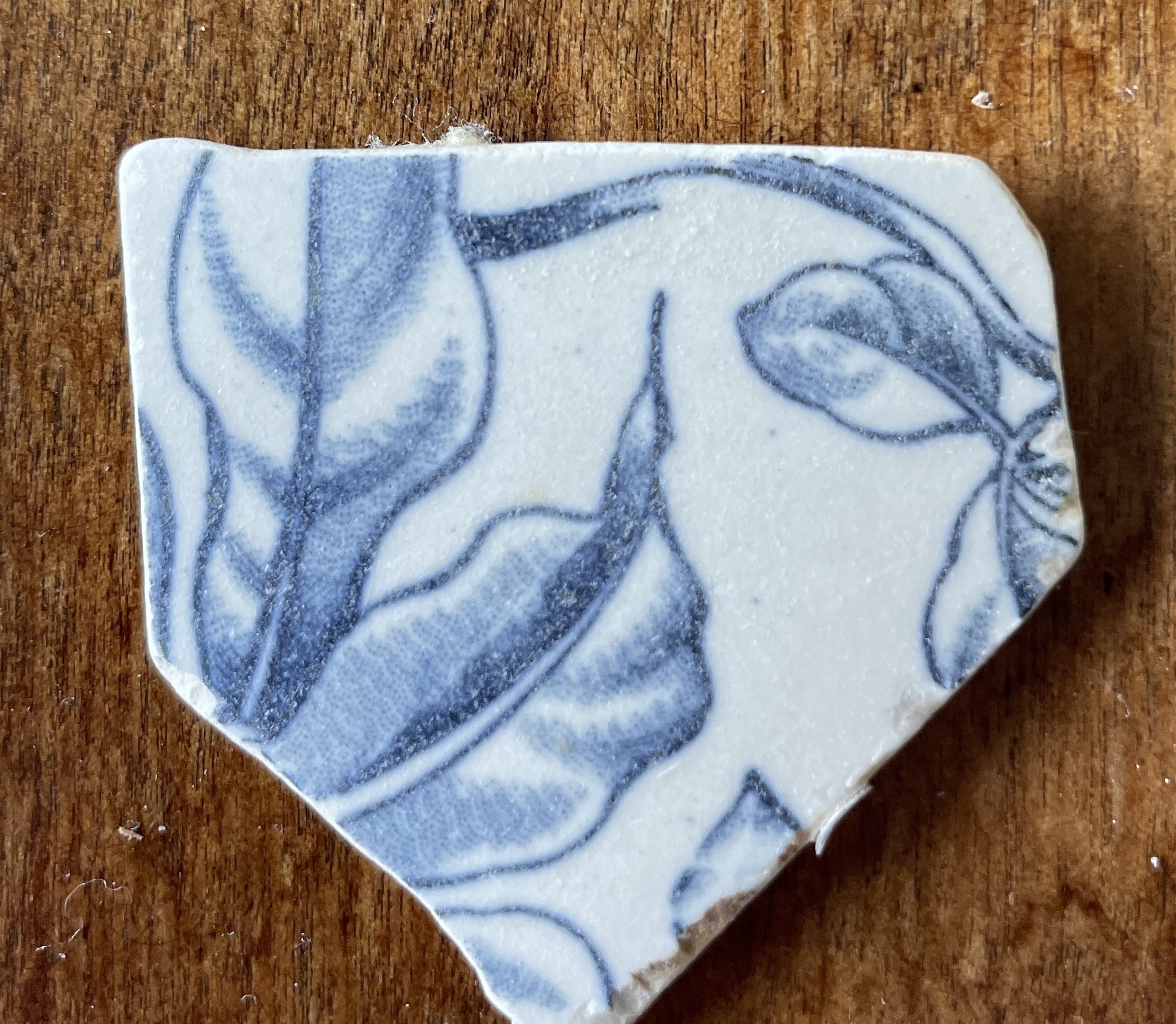
While walking on the beaches on the island , its amazing what you can find while walking and keeping your head down . ..and having patience ! But you can come across some lovely bits of china or sea glass that have usually fallen from ships or boats.

We have mainly found china pieces along the beach by the side of Ryde or Sandown pier as well as sea glass. I love the bits that have writing on that would have started out as an earthen ware container.

My favourite to collect is blue china , which is usually well worn and and a bit faded in colour but amazing how the colours are still good considering the time some of it has been in the solent .

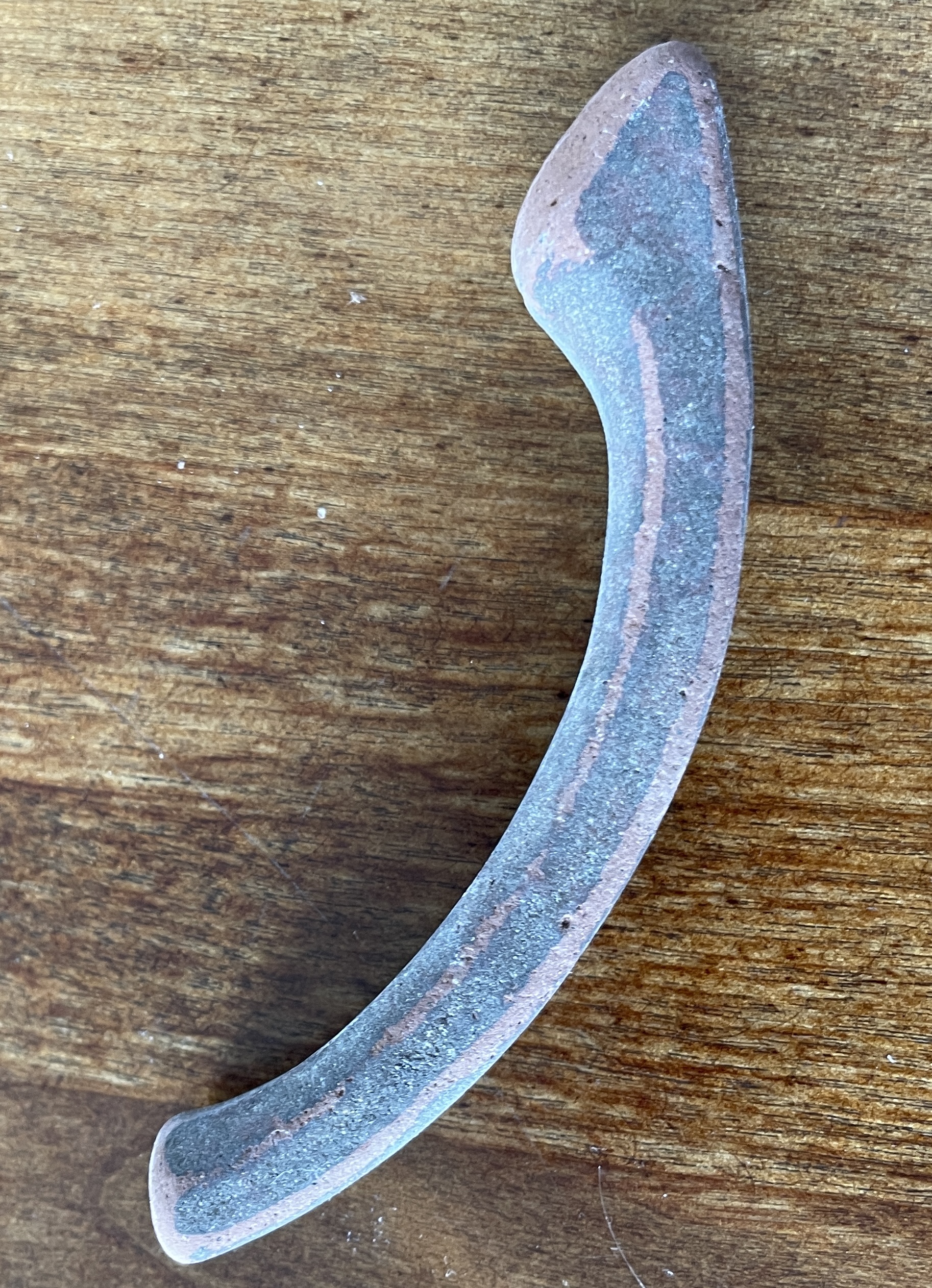
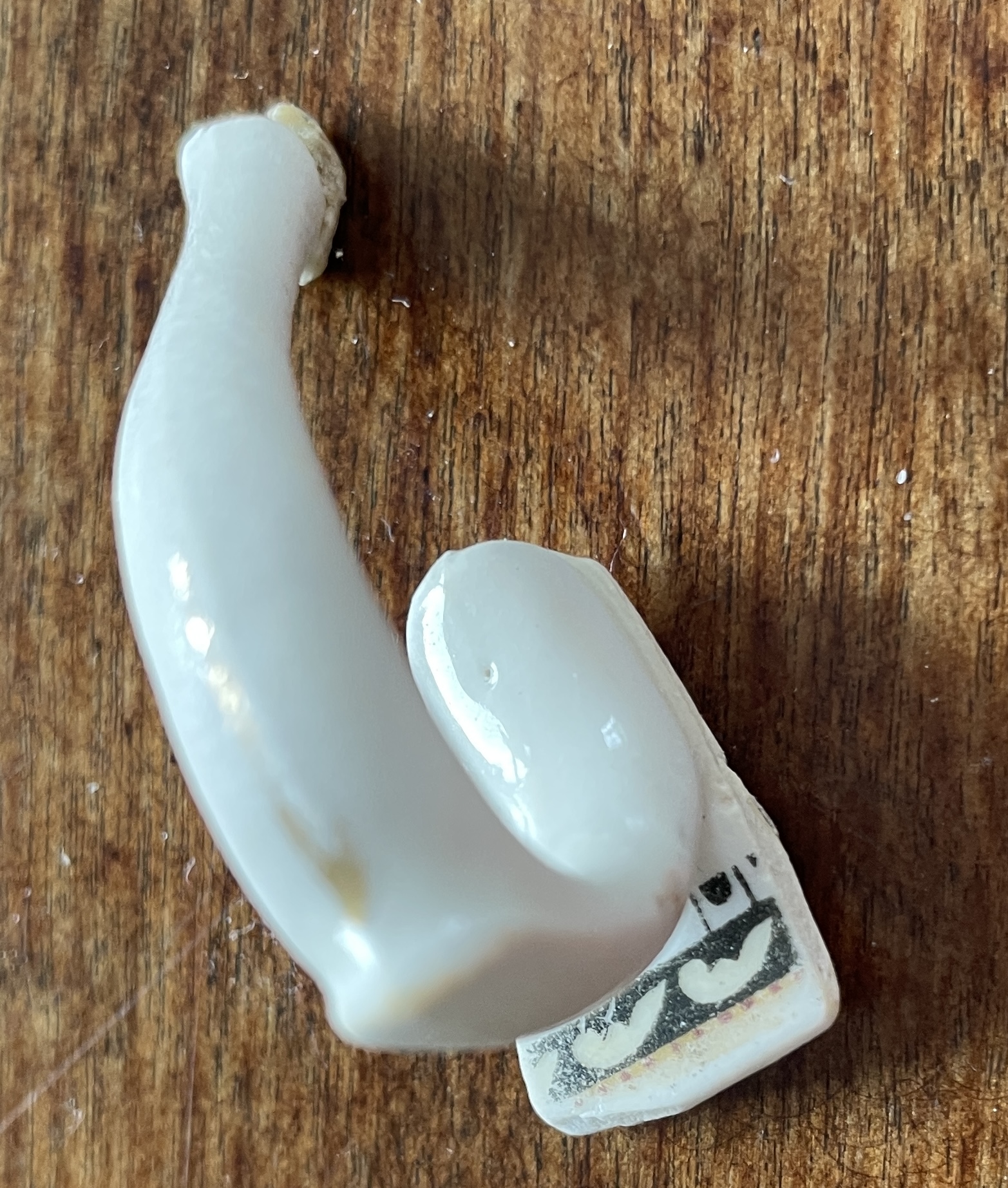
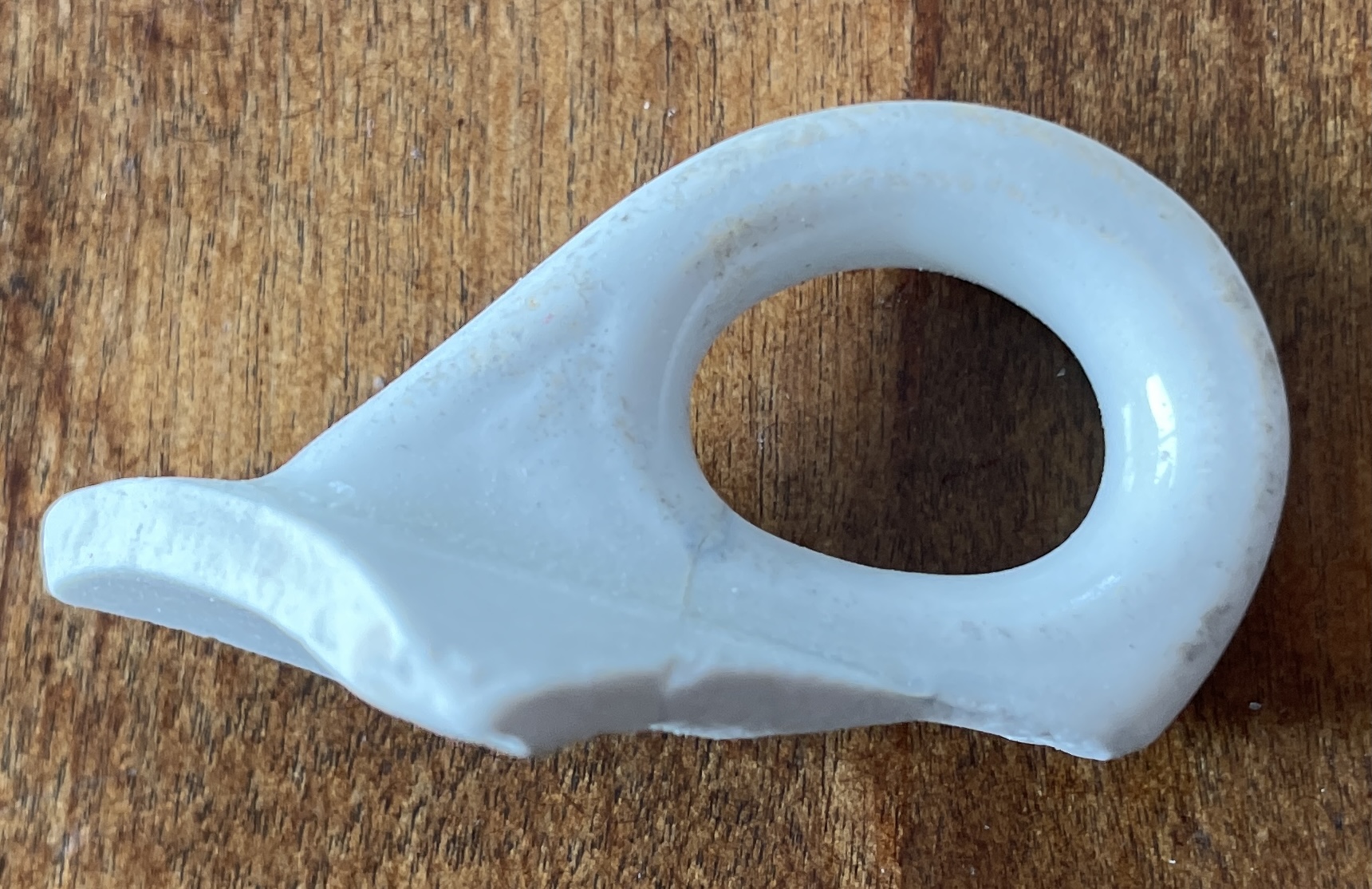
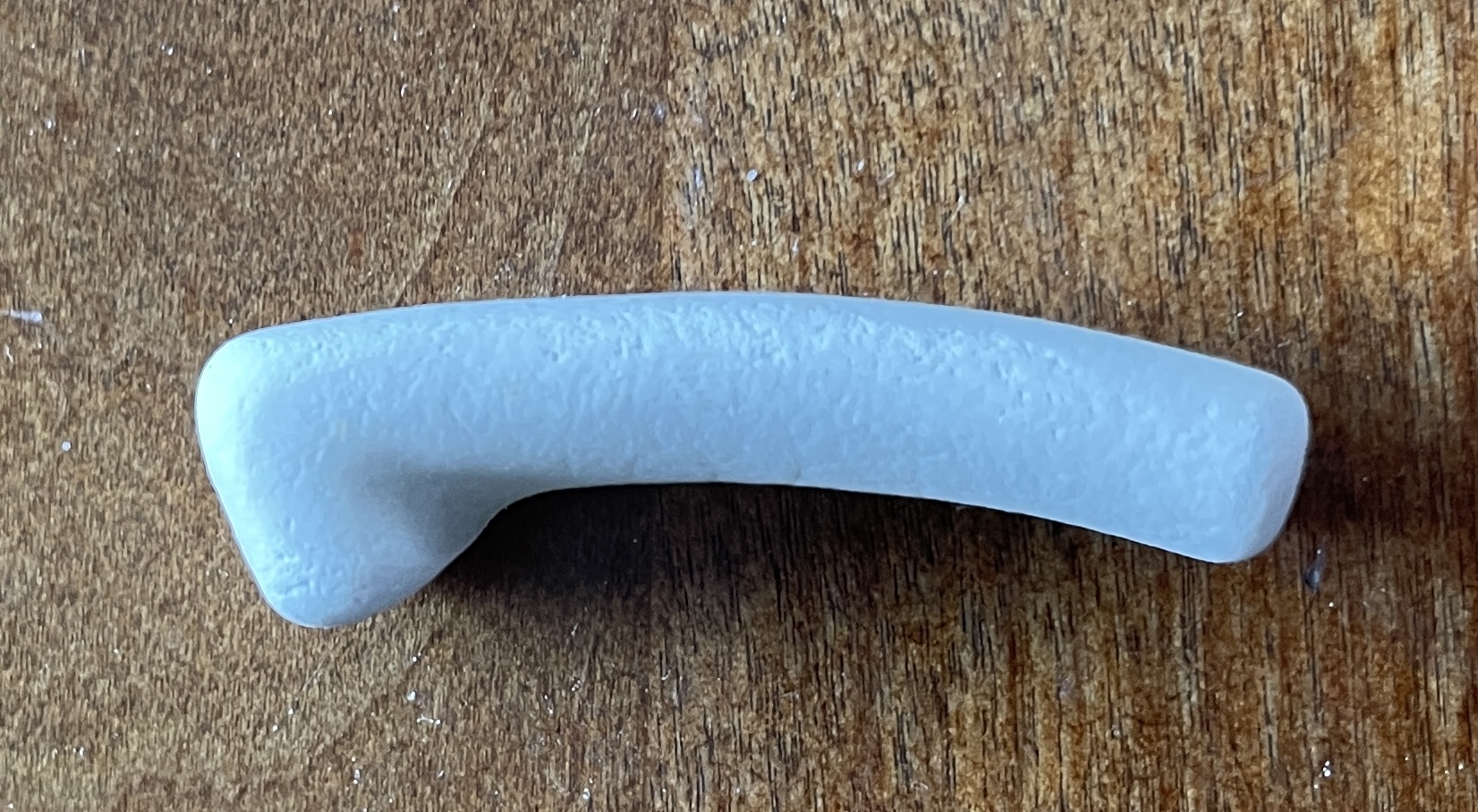
Then there are handles which of course at one time would have been joined to a cup , mug or jug .

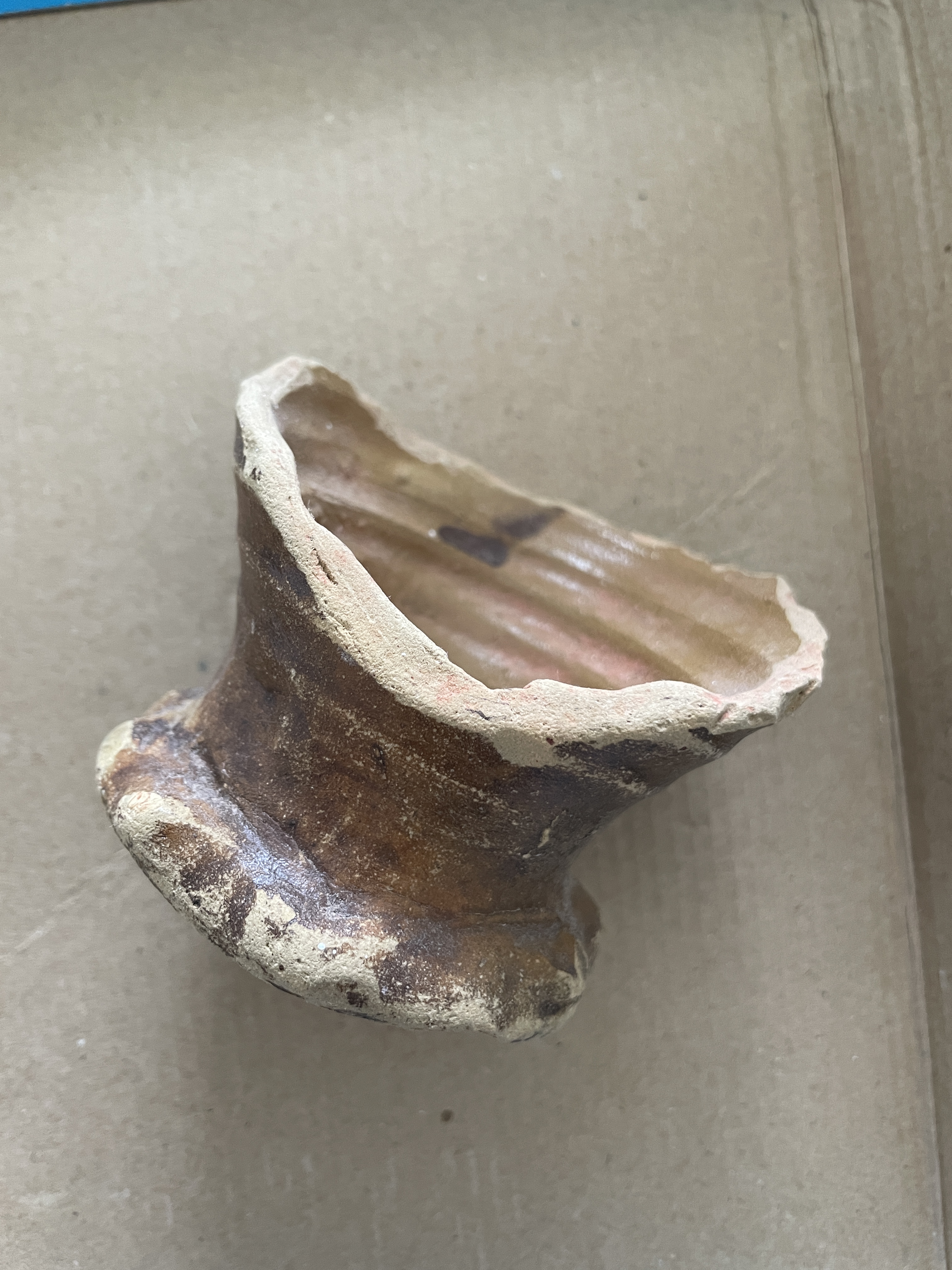
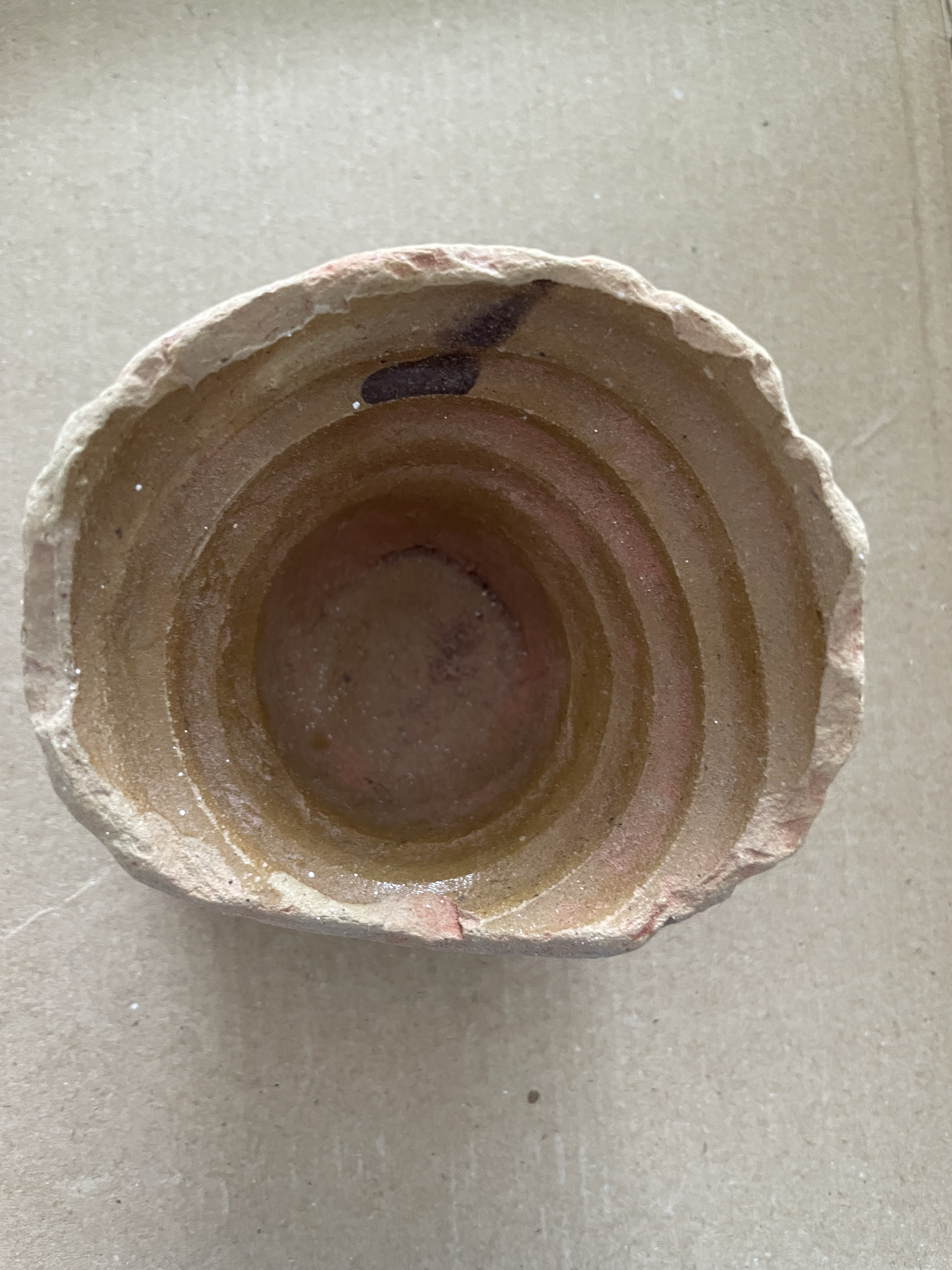
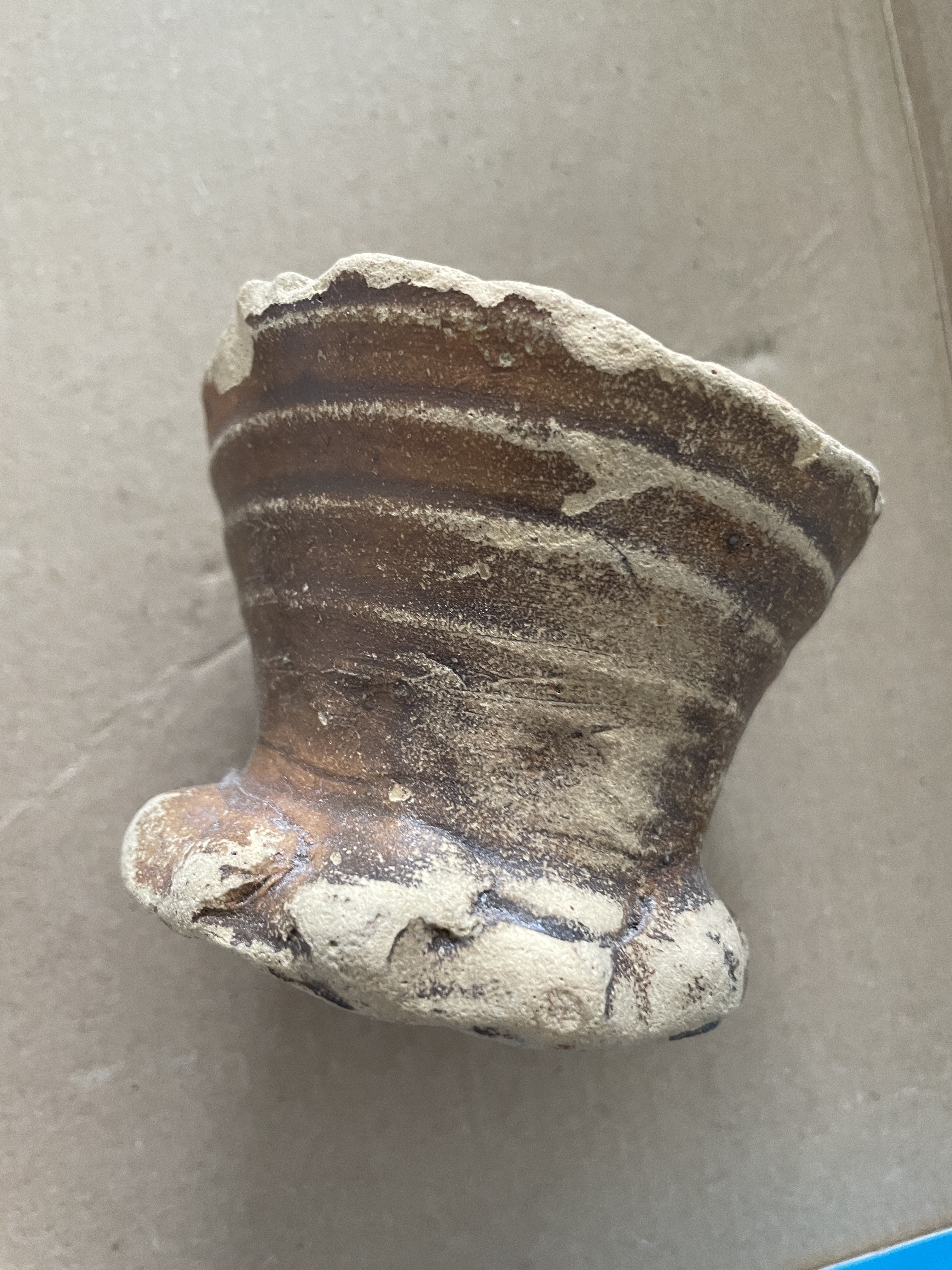
My best find was down by Ryde Pier it is what they apparently call a pie crust dish obviously because of the base . We took it to Newport museum to be checked and was told by the expert there that it was 16th century which makes it round about Henry VIII s reign..So exciting . One of my most treasured pieces.

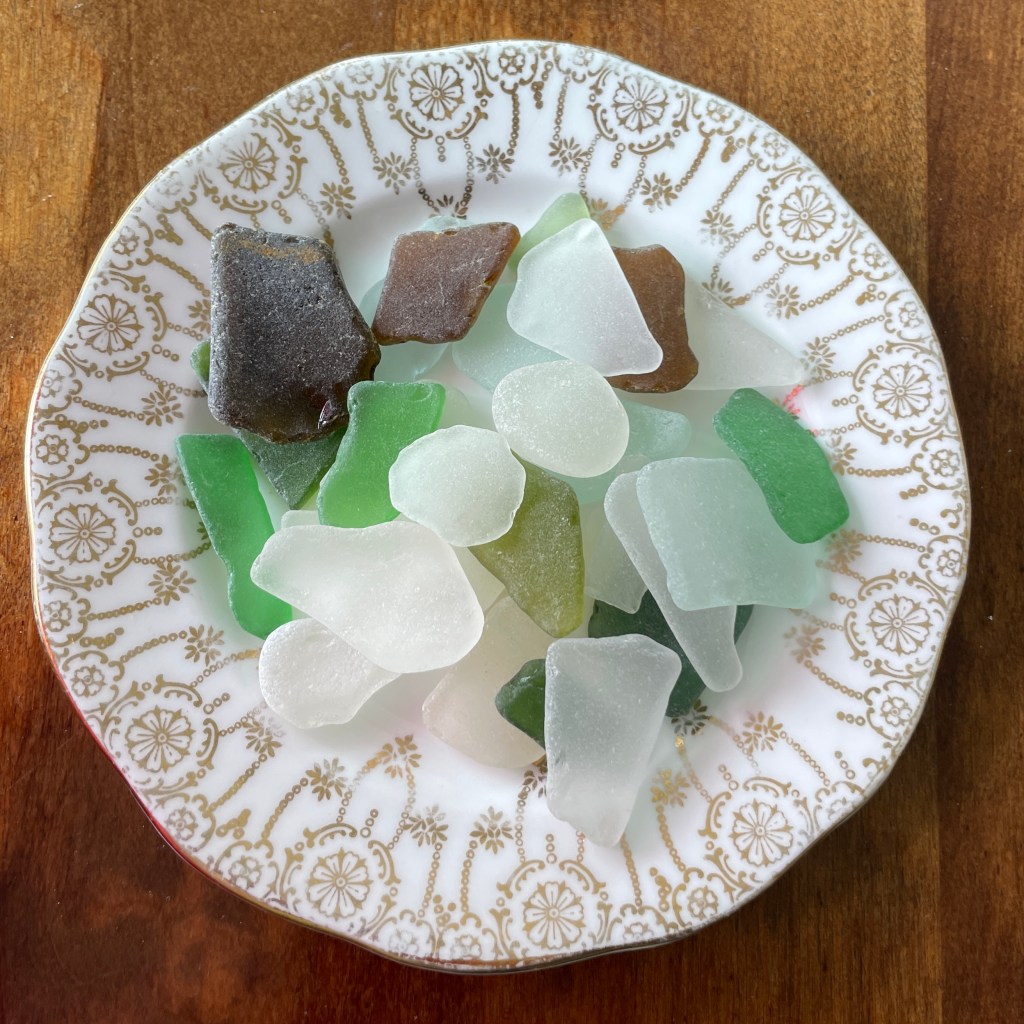
Sea glass is naturally weathered glass which often looks like tumbled stones and is found along shores and beaches. It looks like frosted glass and is tumbled and tossed about in salt water until the edges are smooth and the glass loses its slick appearance .

Sea glass takes 20 – 40 years and sometimes over 100 years to get its appearance.

most common colours are colours of sea glass are brown , green white and clear and generally come from beverage bottles. Less common are types of green which comes from early to mid 1900s they come from ink , fruit and baking soda bottles . These are found in every 50 – 100 pieces.

Less common also is blue from early milk and magnesia bottles ,poison bottles and Vick vapour rub containers.These colours are found once for every 200 – 1000 pieces found.

Sunflowers & their beauty.

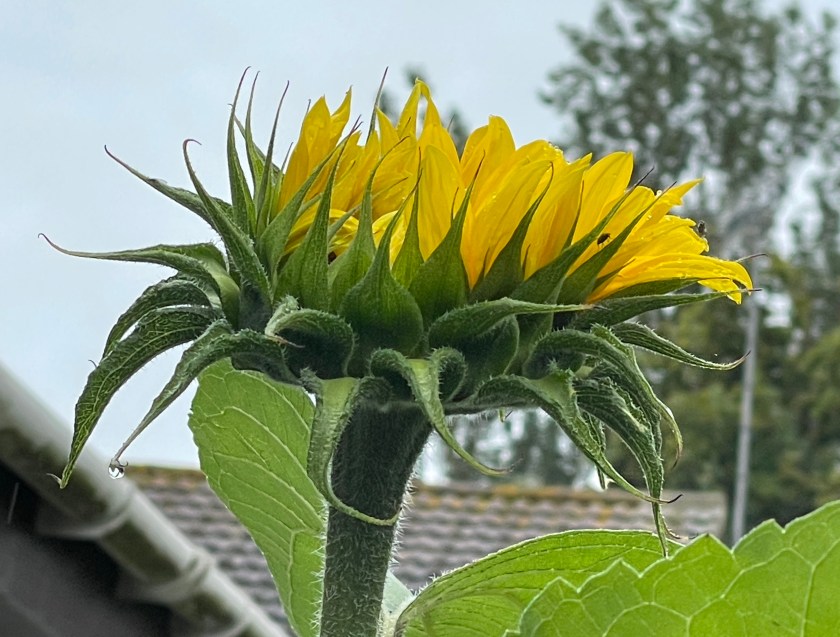
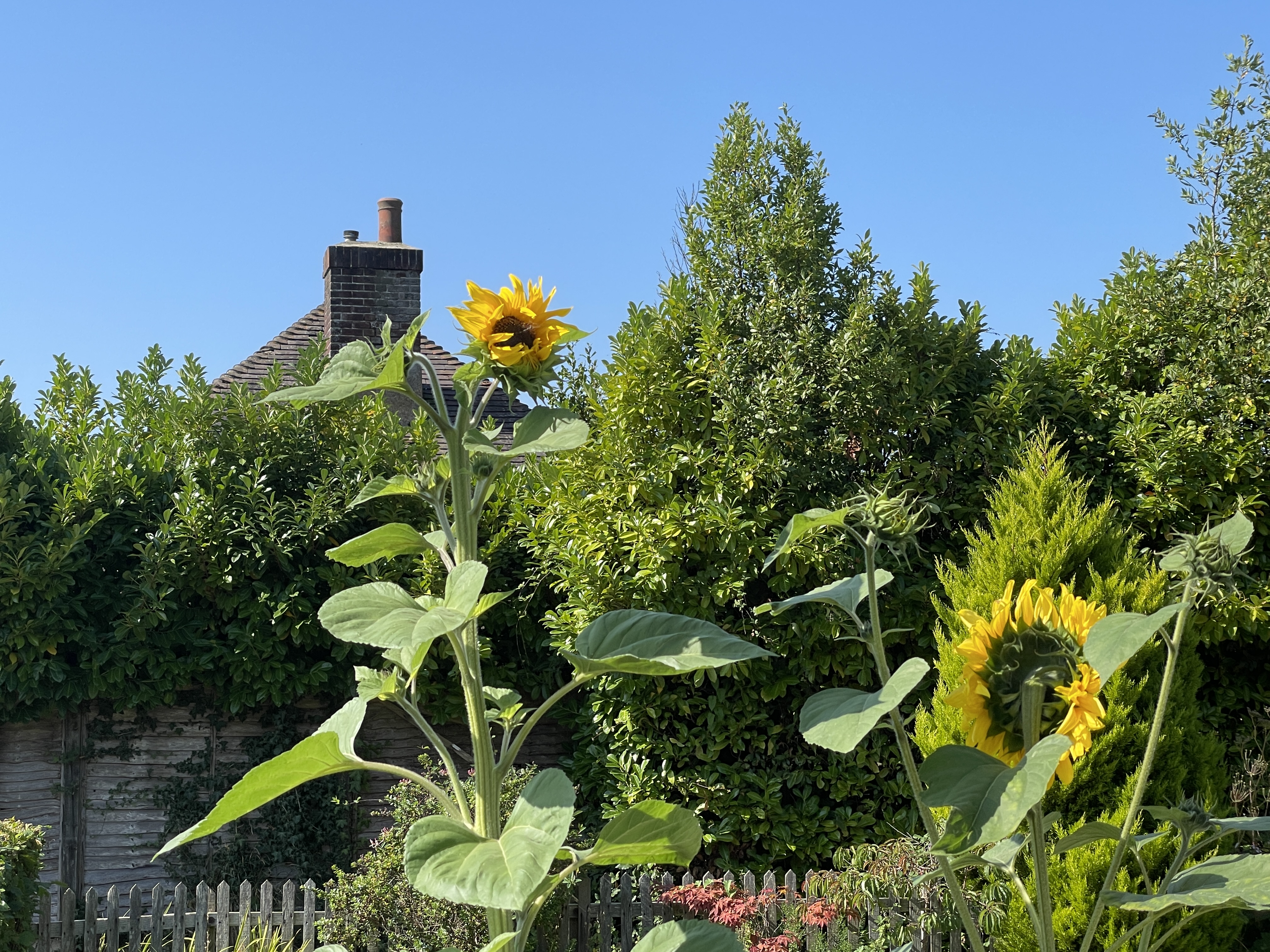
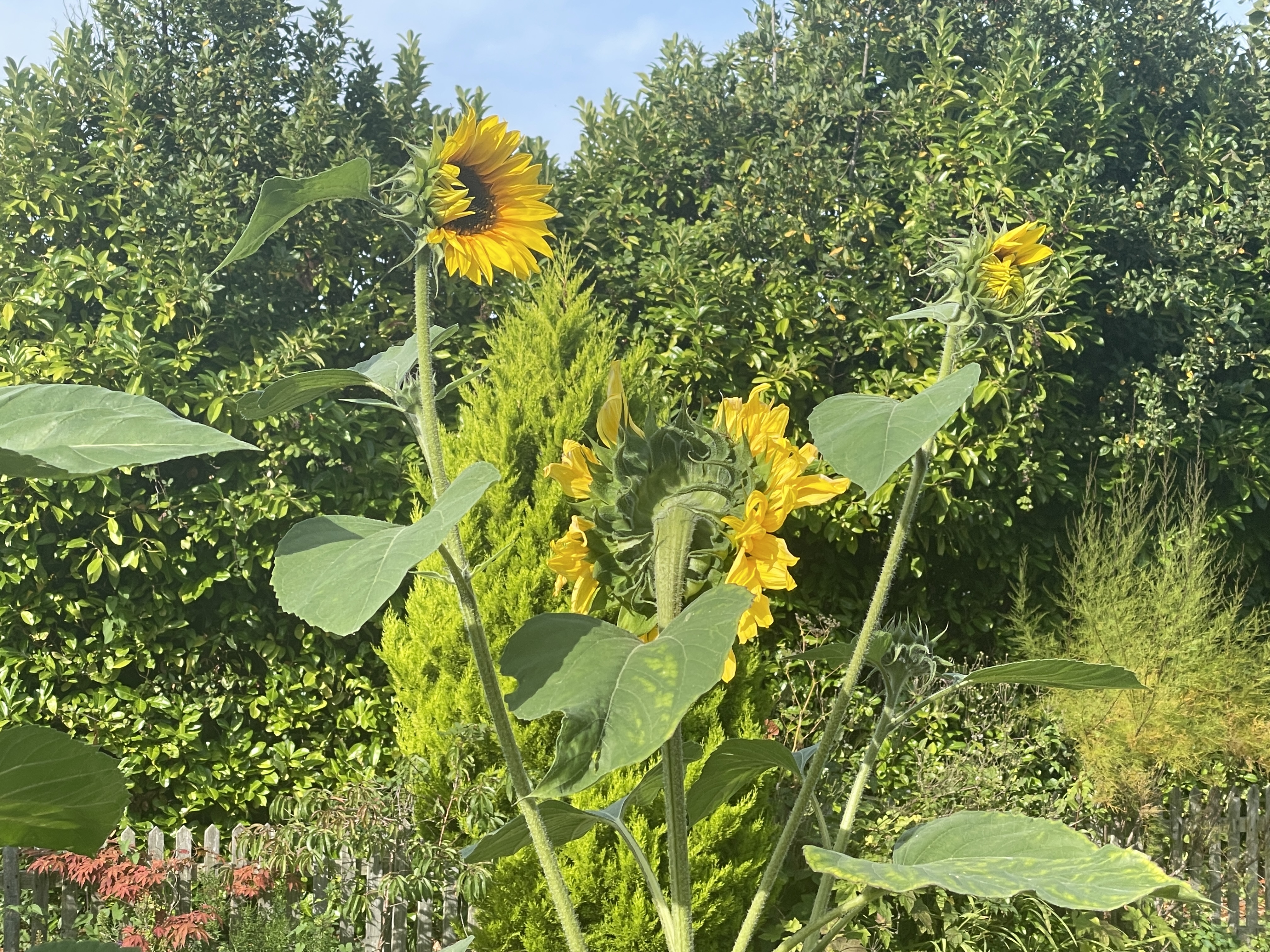
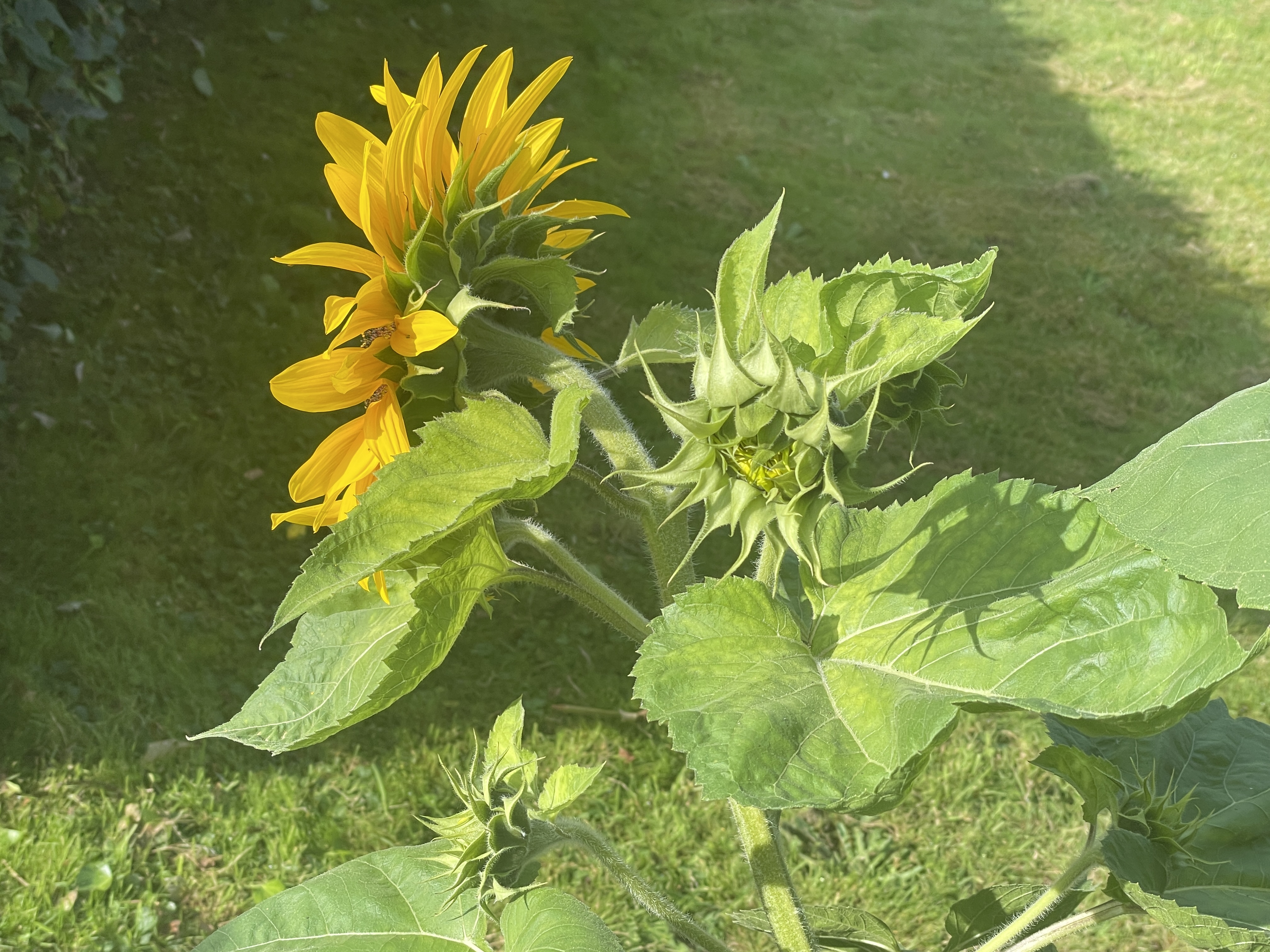
Earlier this year I gave a donation to my local RNLI in memory of my late husband Ian …They sent me a packet of sunflower seeds to plant in memory so I planted them in my little garden for all to see ..What a joy they are , I never thought I would have so many blooms from six seeds!

It is now a week since the first flower blossomed and Im thrilled at the amount of sunflowers and buds .I have 18 buds and 7 flowers out at the moment with the tallest being over 84 cm or in old English over 7 feet. I will hopefully save the seeds for planting next year so there will be more .

They just cheer everything up and the number of neighbours that have commented on them has cheered me.

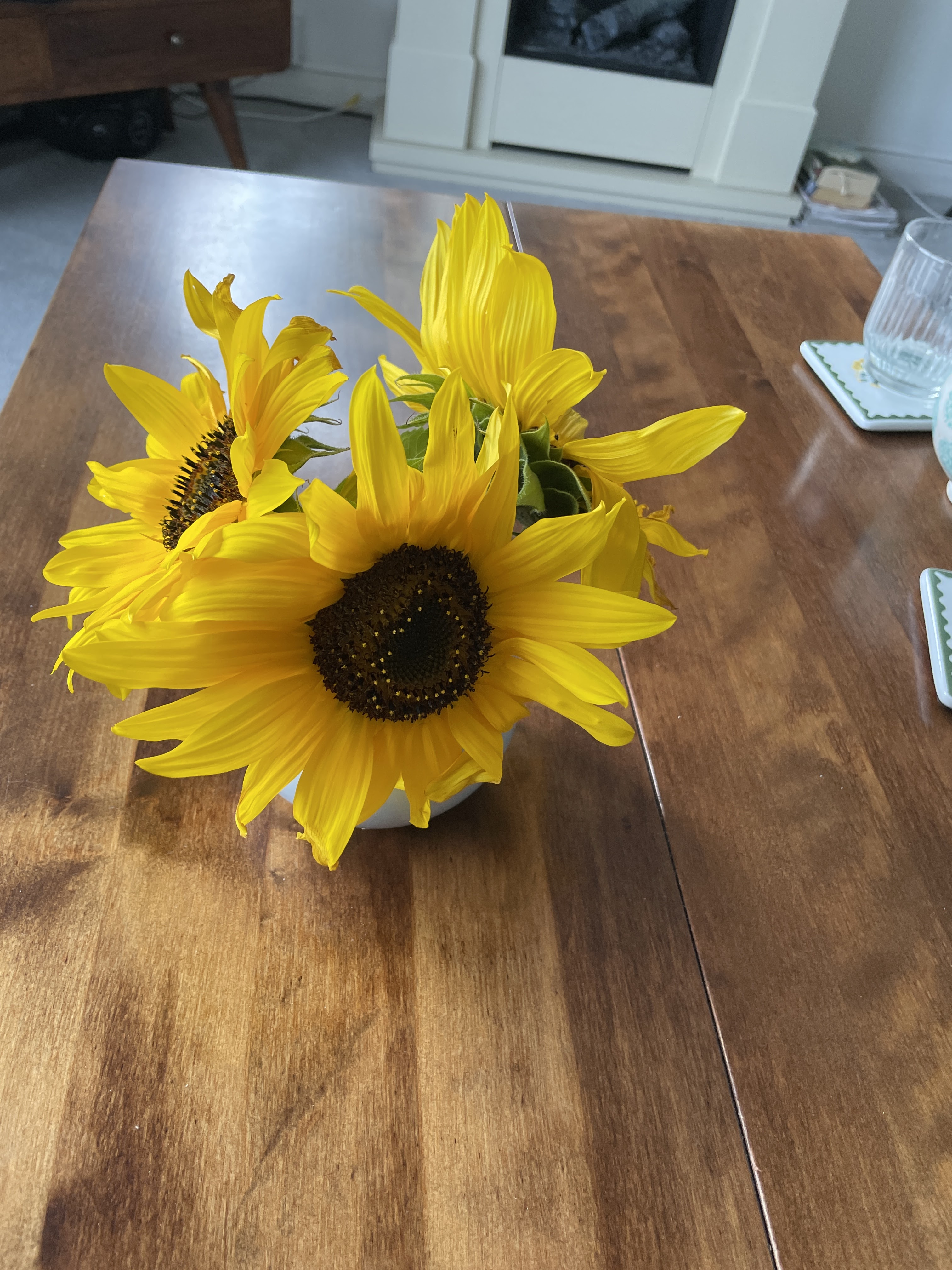
These few below are indoors as we had a storm and they were broken down..So what sunshine to bring in doors and hopefully they will last longer .

Sunflowers are wonderful addition to any garden , if you are an insect or a person .

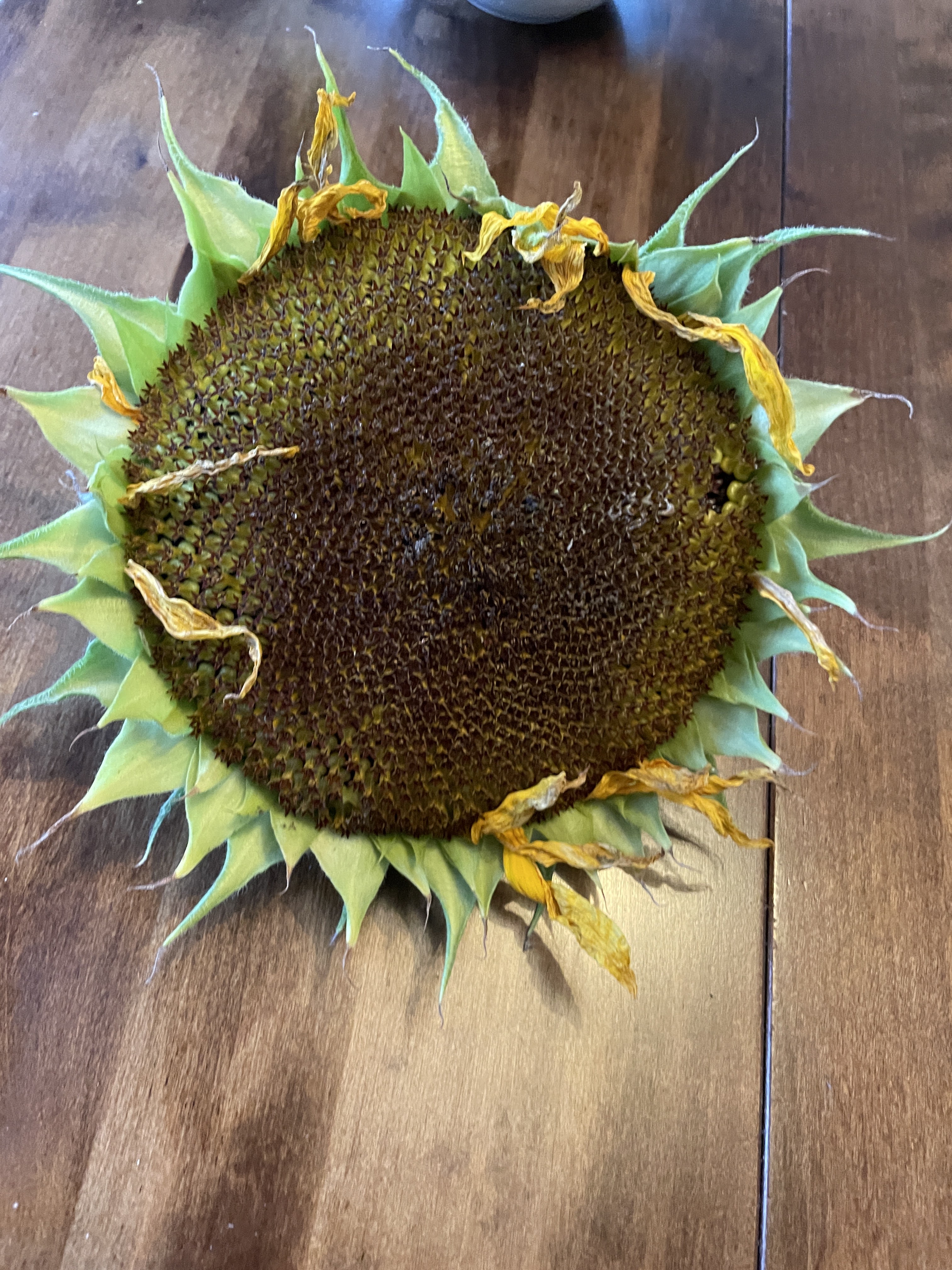
Although most we grow are annuals ,there are perennials as well and the easiest way to tell is to look at the roots. Annual sunflowers have long thin tap roots with smaller roots coming off it but perennials have to survive winter so their roots are rhizomes for storage to keep them alive.

The seeds of course are very beneficial to our wild life , bees , wasps , birds and other insects are usually close by ready to have a snack from my cafe!

We can of course dry them ourselves for planting next year, hopefully before the birds get them all. Just let the flowers go to seed ,then harvest the seeds and keep them in a cool place preferably in paper bag. Its a great way to get free seeds for your garden .

They can also be eaten of course and a great source of nutrients that can support your immune system. They can also apparently lower your risk of developing diseases like high blood pressure or heart disease.

Did you know that the sunflower is a member of the artichoke family and that you can cook and eat the whole head ?…Best of luck!

Sunrise in Bembridge .

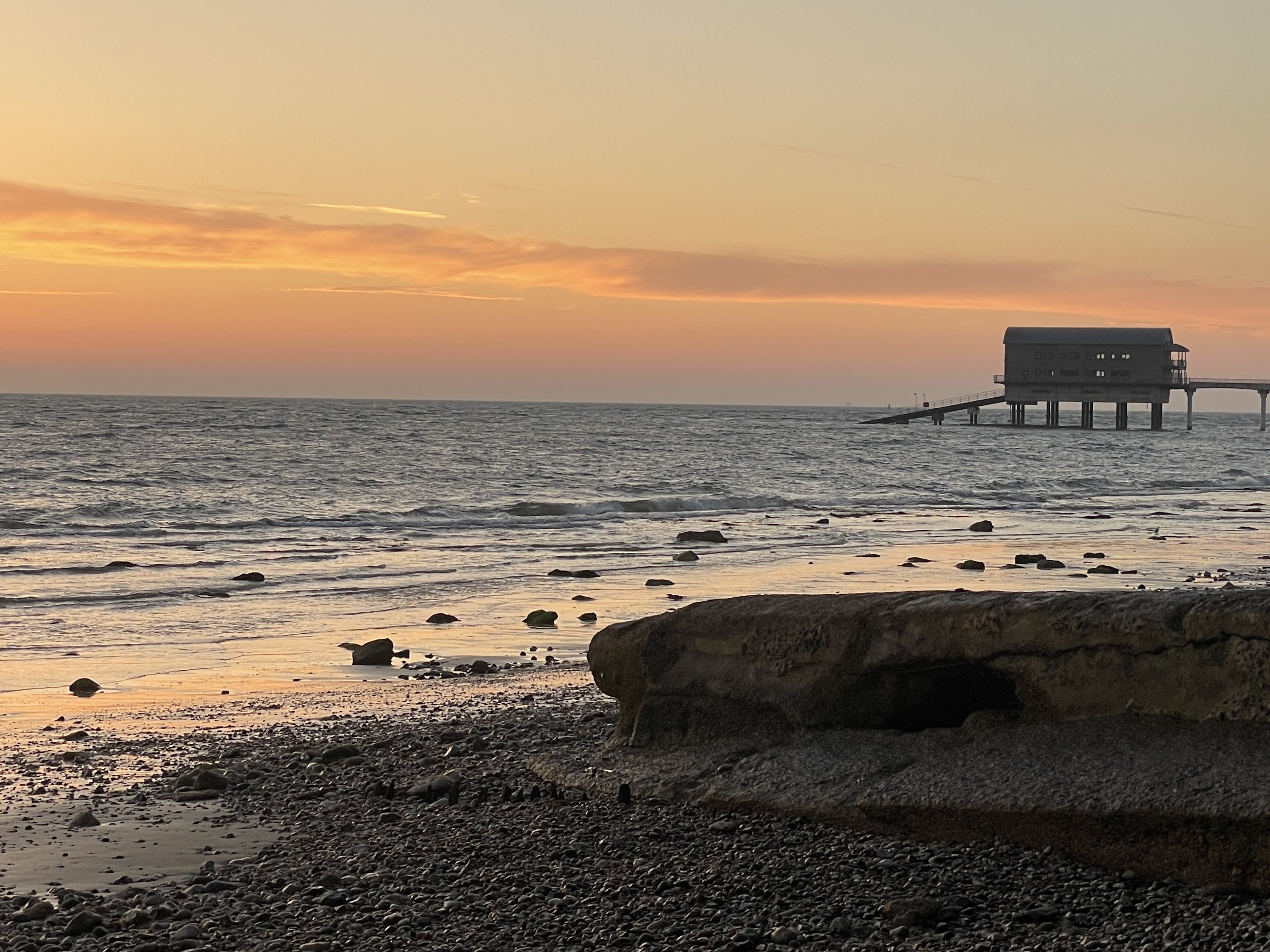
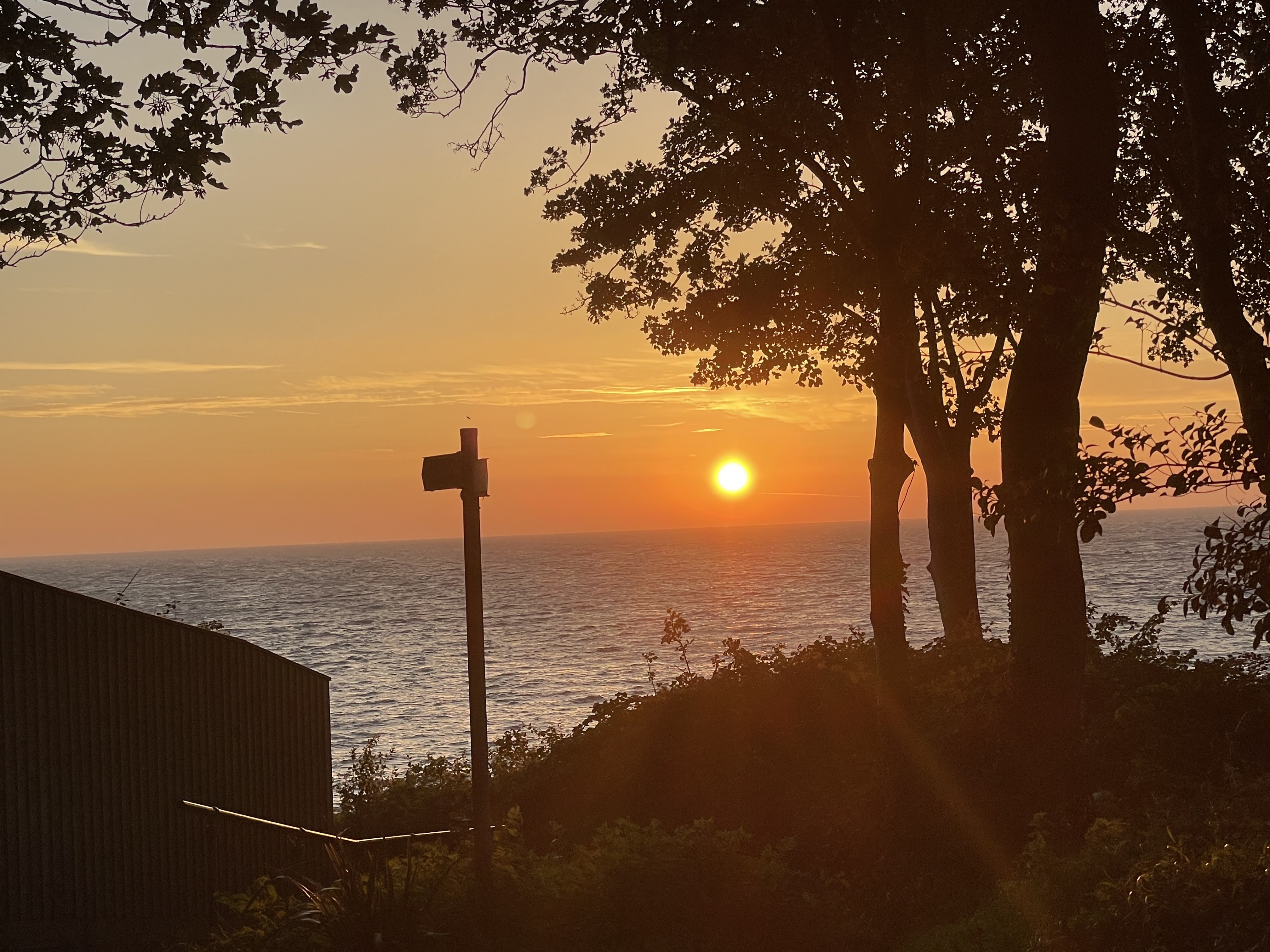
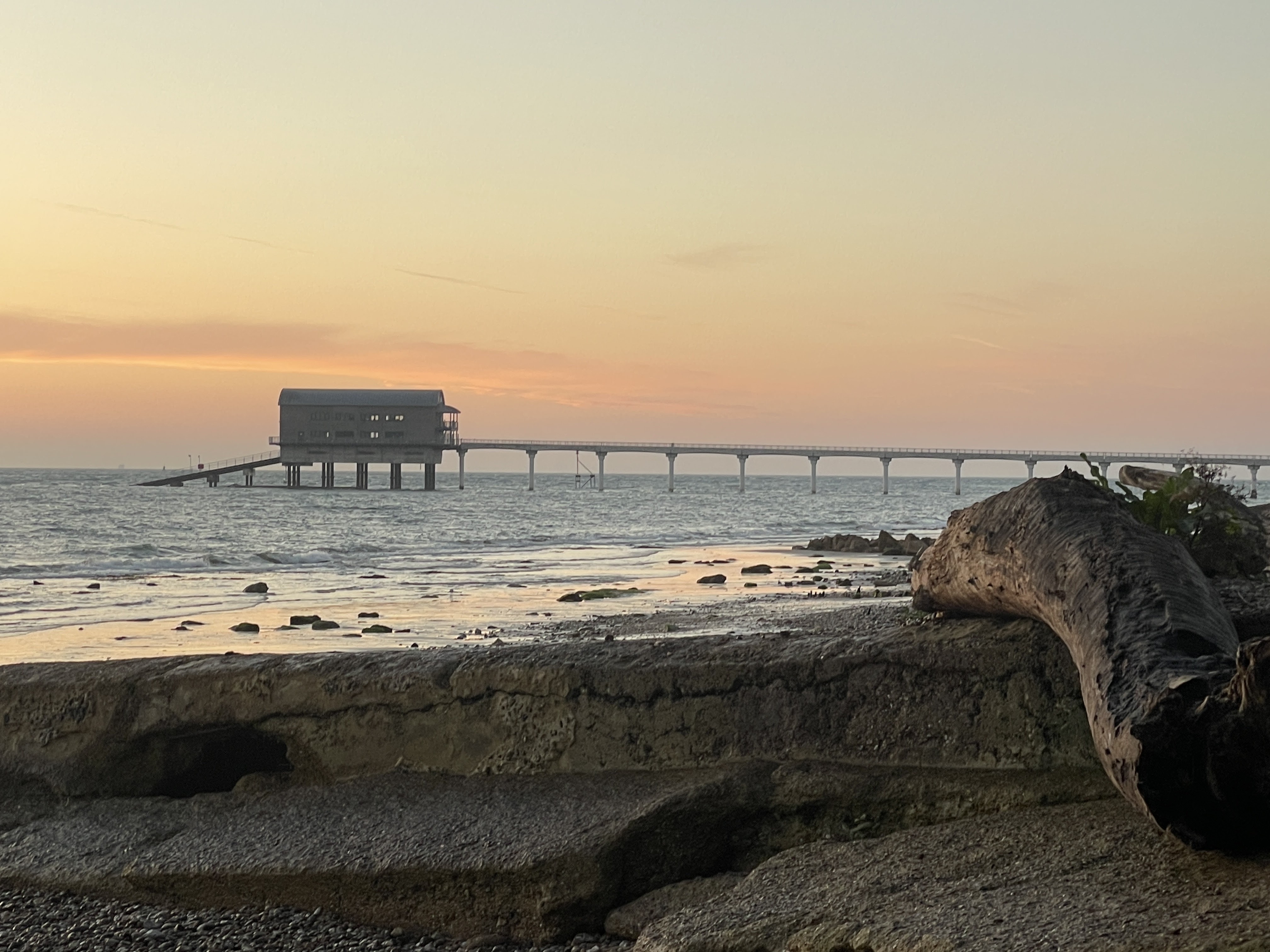
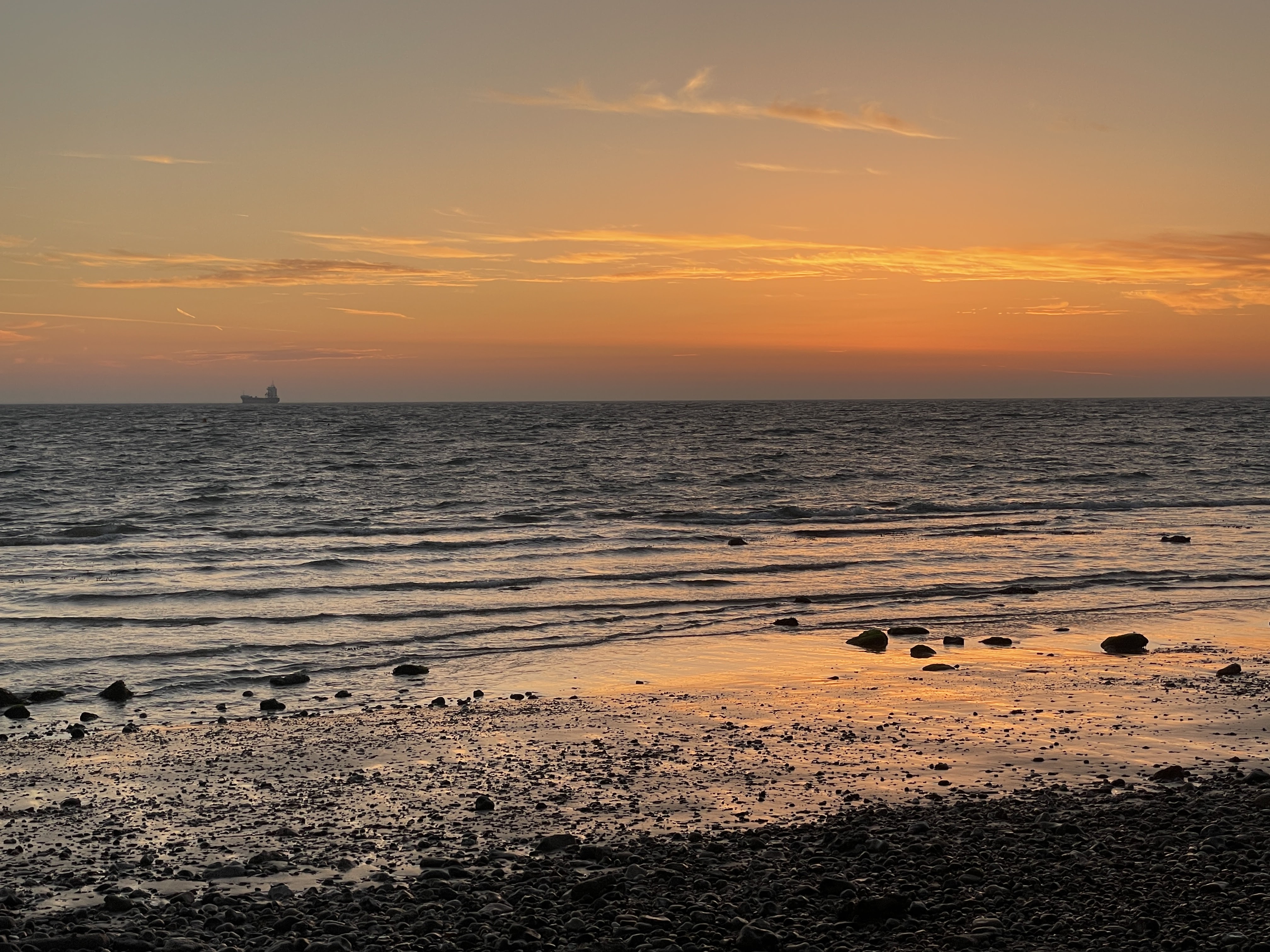
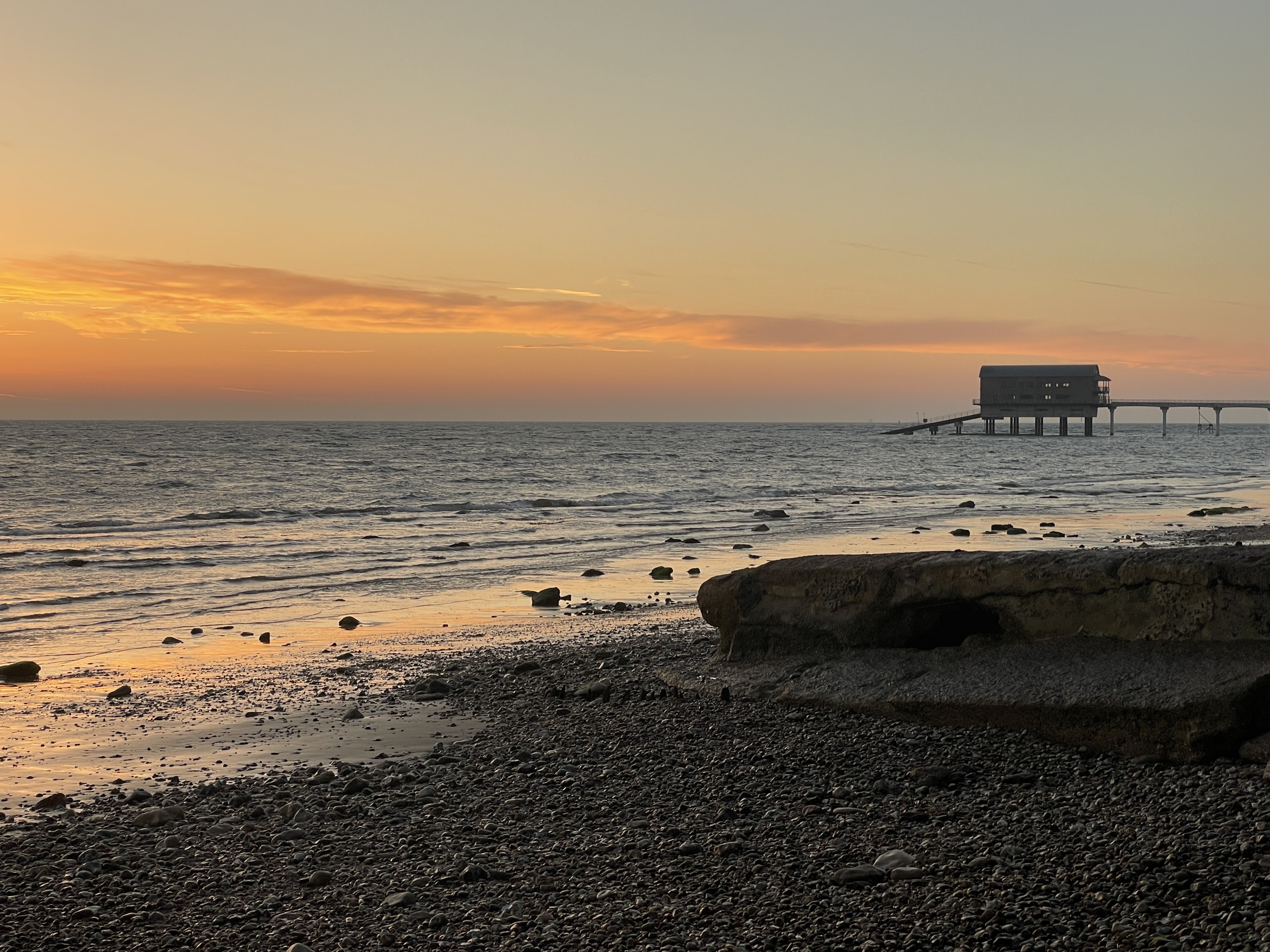
Today I added another tick to my to do list and got up really early at about 5:45 am to go to the beach and see the sunrise…Sunrise was at 6:25 this morning so getting to the beach at just after 6am , I watched it all evolve , from a pale pinky sky to deep oranges and dark pinks.

The sun arose on time like a flame ball above the horizon. I was not disappointed. There was just me , the solent and the sun .What a great start to the day!

Back to main page