Bees and butterflies are so important to our environment , in fact it has been said that without them we would not be here . This year I have tried to plant as many bee and butterfly plants that I could .
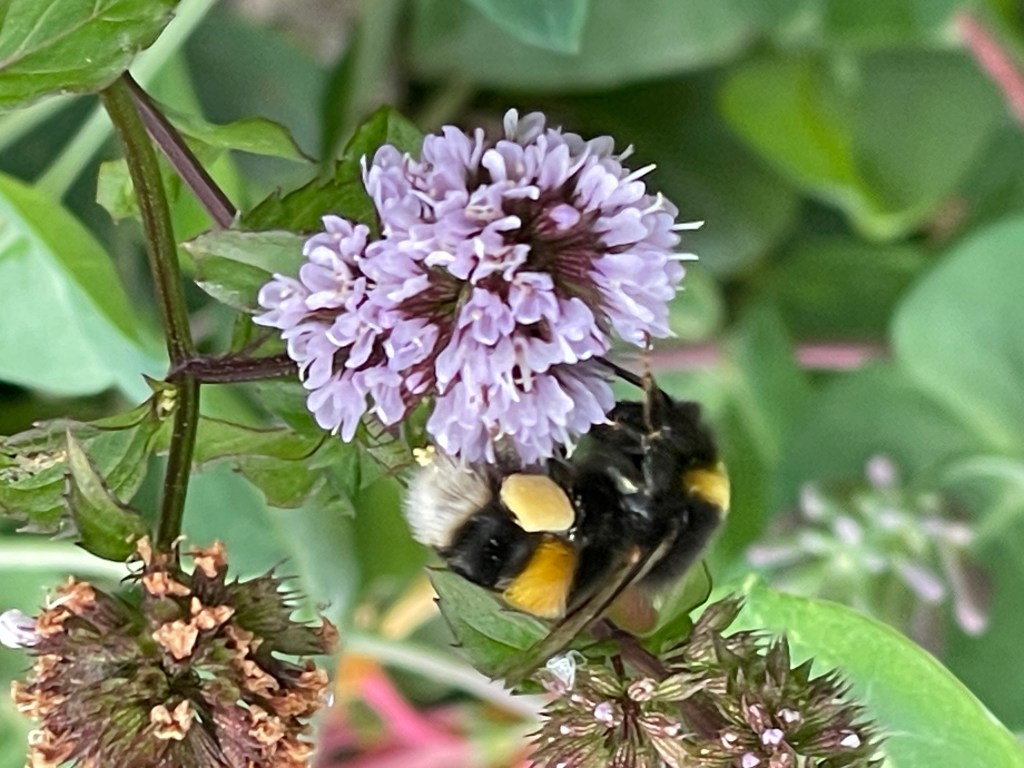
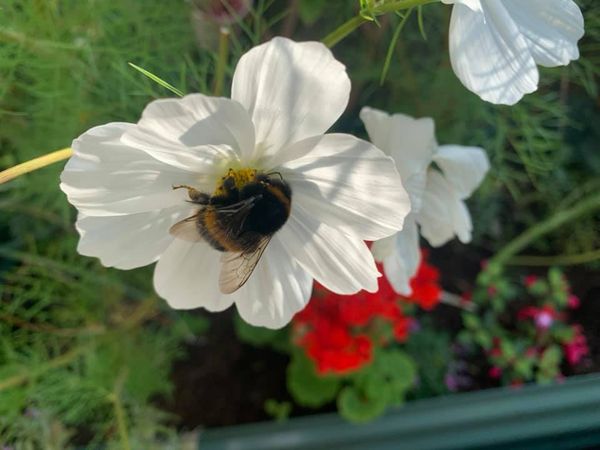
The bees below were in my little garden over the last few weeks and on these plants. The Verbena plant is beautiful with hundreds of tiny flowers on each flower head and I am sure the bees go on every tiny flower . I could watch them for hours .
of course it’s getting near to the times when they mostly disappear for the winter but there is a bee called an ivy bee which only appears between September and November when pollen on other flowers is in short supply .
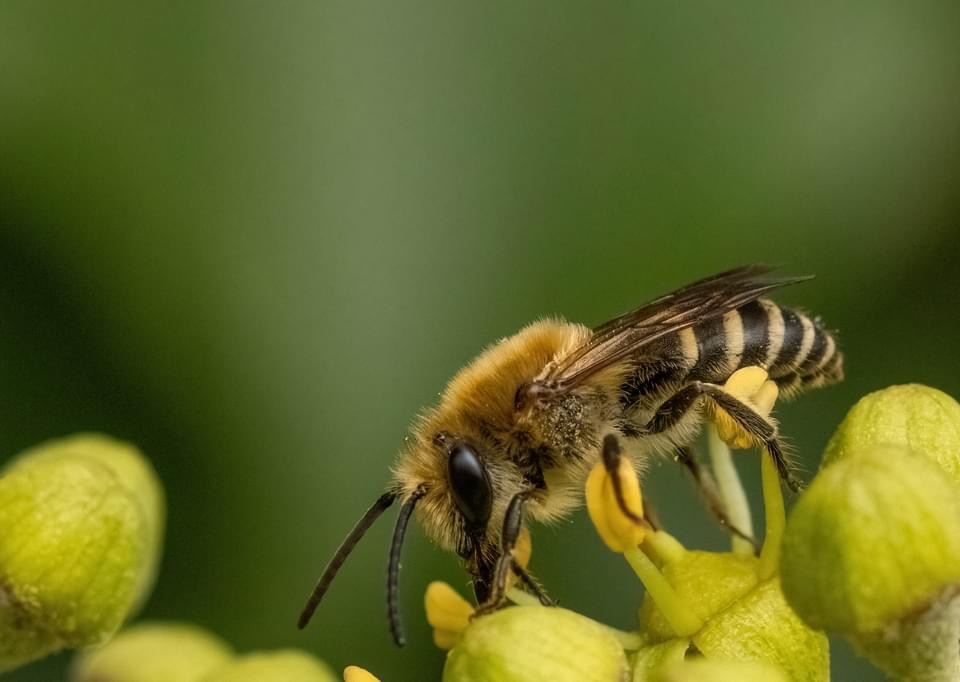
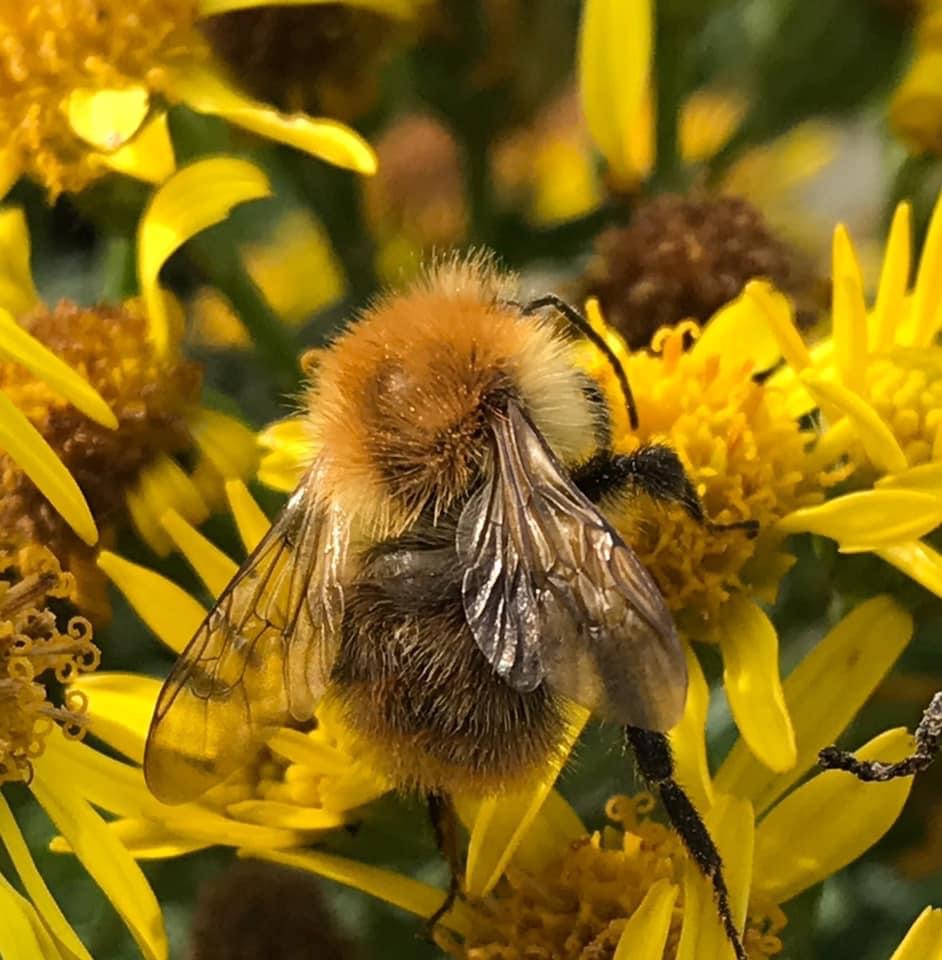
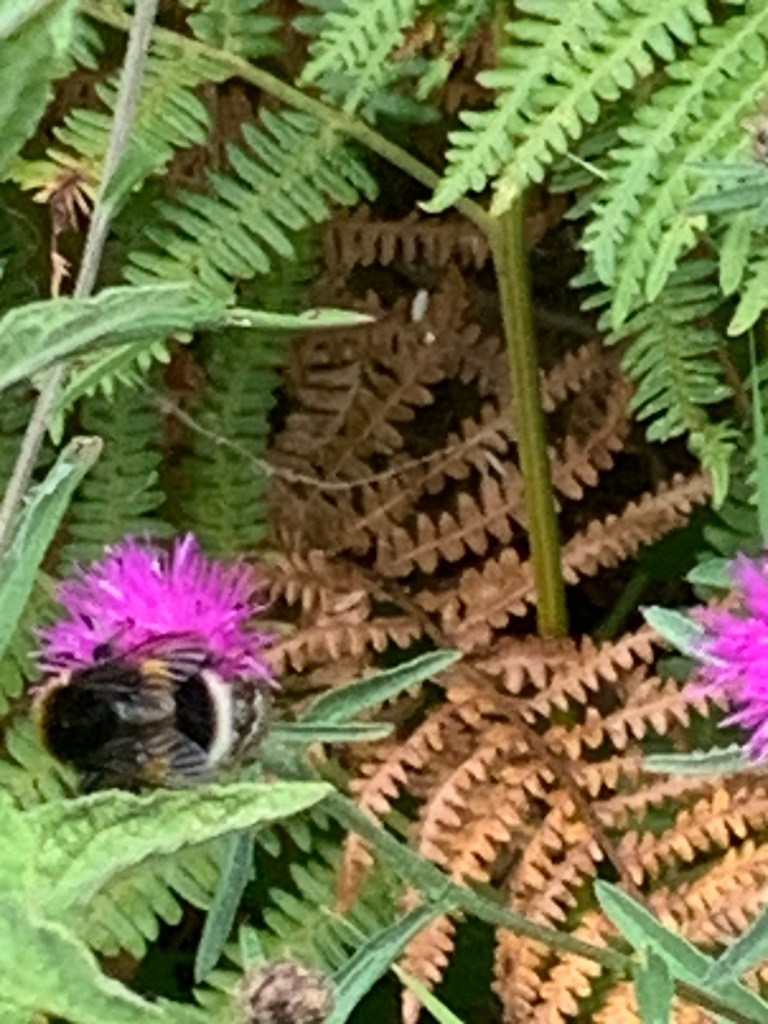
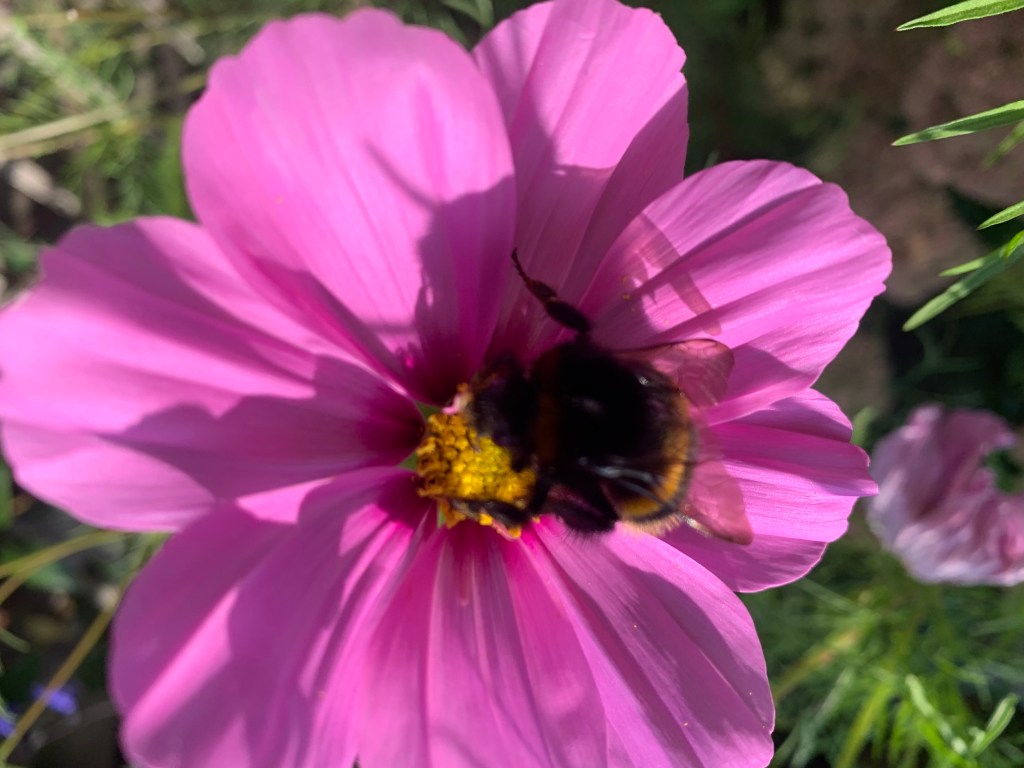
About the Ivy Bee .
The ivy bee was first recorded in the UK in 2001, and has now been found in much of Southern England and Wales, and in the Channel Islands. As suggested by its common name, Ivy is the main plant used by this bee for pollen. It is seen when ivy is in flower, from early September to early November. Ivy bees nest in loose, light or sandy soil on southern-facing banks and cliffs with ivy nearby for foraging. They are solitary bees, but when conditions are suitable, there may be thousands of nests in the same area.

Our bees are incredible…
As a type of pollinator, bees drink the sweet nectar of flowers, moving between plants and transferring pollen, which fertilises different species, enabling them to produce fruit and seeds!
Pollinators are vital for life on earth as we know it, without them, we wouldn’t have potatoes, strawberries, tomatoes, coffee, chocolate or cotton!
However, they’re currently in decline , due to a number of factors including disease, habitat loss and the impacts of pesticide use
Agroecological ways of farming, like organic is beneficial- did you know that, on average there is 50% more abundance of plant, insect and bird life on organic farms?!
Facts you might not know
about bees🐝
1. £690 million is the mind-boggling amount that insect pollination is worth to UK crops each year. 76% of globally important commercial crops depend on insect pollination, which equates to 1 in 3 mouthfuls of food!
2. The “waggle dance” is used by bees to teach each other about the direction and location of food sources over 6 kilometres away. Known as ‘a sat nav for bees’, the bees perform precise movements to tell other bees in the hive exactly where they have found their new fantastic food source!
3. Bees have four wings, not two – they actually hook them together to form one big pair when flying and then unhook them when not flying!
4. There are around 75% more wild bees on organic farms – organic farming can improve the numbers of bees found in habitats surrounding the farm.
5. The average hive produces about 11kg of honey during a season! That’s the equivalent of about 24 jars. Bees must fly about 55,000 miles just to make one pound of honey (which is less than half a kilo!)
All photos on this site are my originals taken by me on the beautiful island of the Isle of Wight.
Why not visit …..
https://www.bumblebeeconservation.org/

All photos are taken by me unless otherwise stated
 Moving on to Bembridge