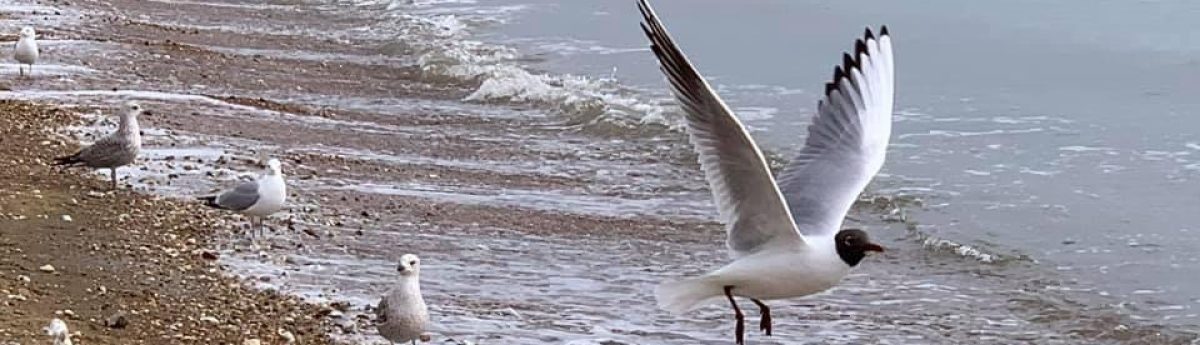
Living by the coast and walking along the beach there is no shortage of wonderful sightings of wildlife , but some of the best is from my window .
The Robin
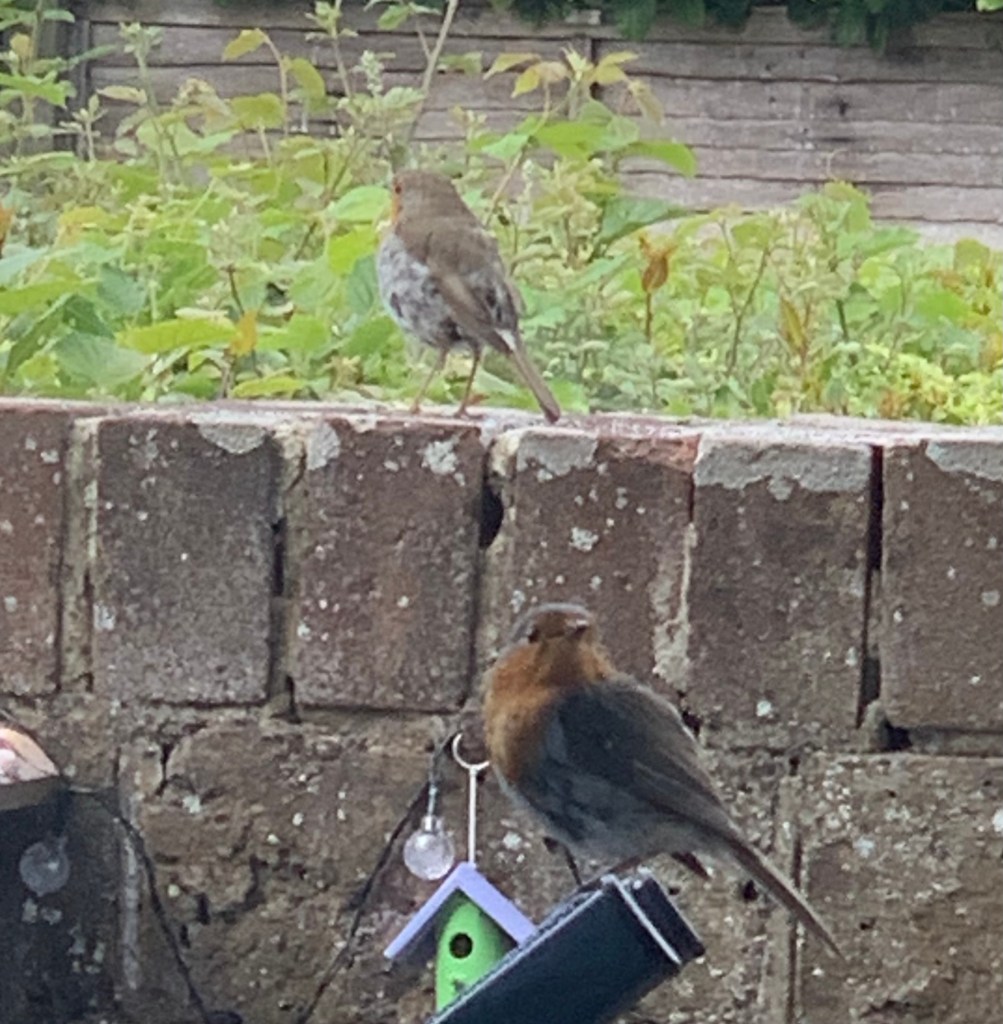
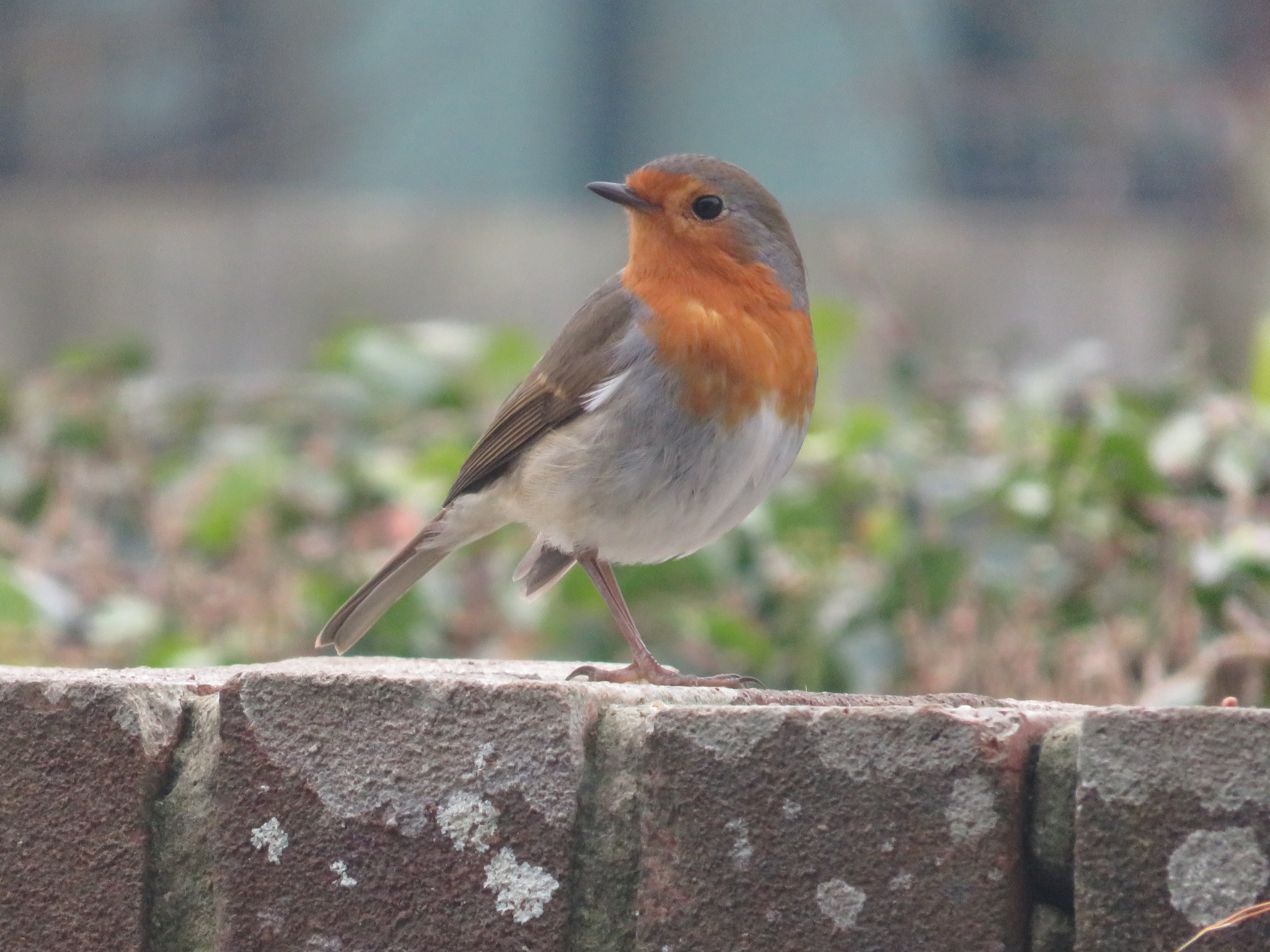
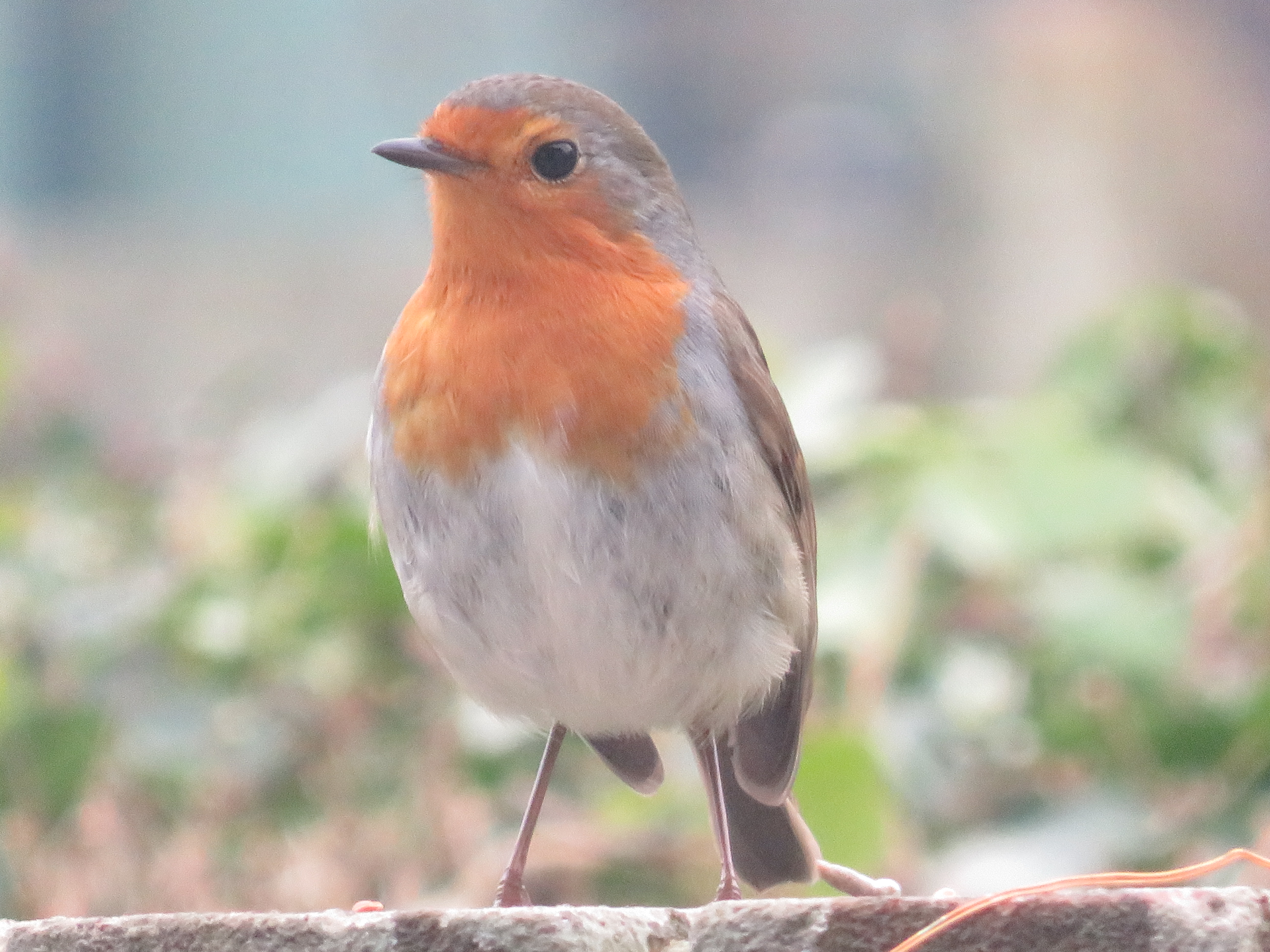
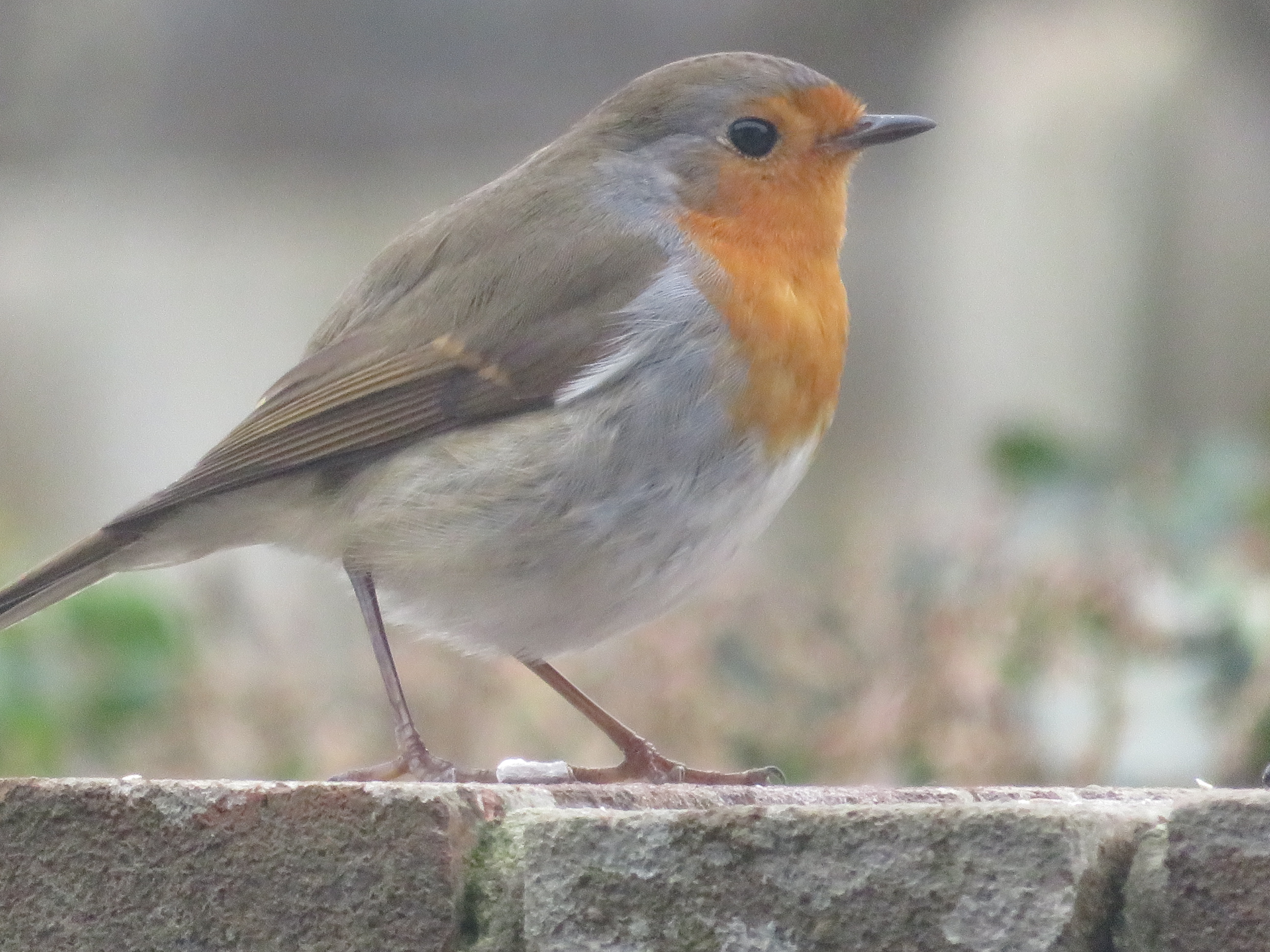
The Robin known simply as the robin or robin redbreast in the British isles is a small bird which belongs to the flycatcher family .
it is 4-5.5 inches long and the male and female are identical in plumage , with a red breast and a face lined with grey and a whitish belly. They can become very tame and often won’t move if you are close.
Robins lay their eggs between mid April and mid August .They will usually lay five to six eggs a brood and can lay around 20 -25 eggs in a year . Robins’ eggs are white and not glossy with small sandy or red markings which can vary in intensity . The time between mating and laying is very short usually just a few days and they sit on the nest 12 -14 days . The young are freckled brown all over and without the red breast
The Dunnock
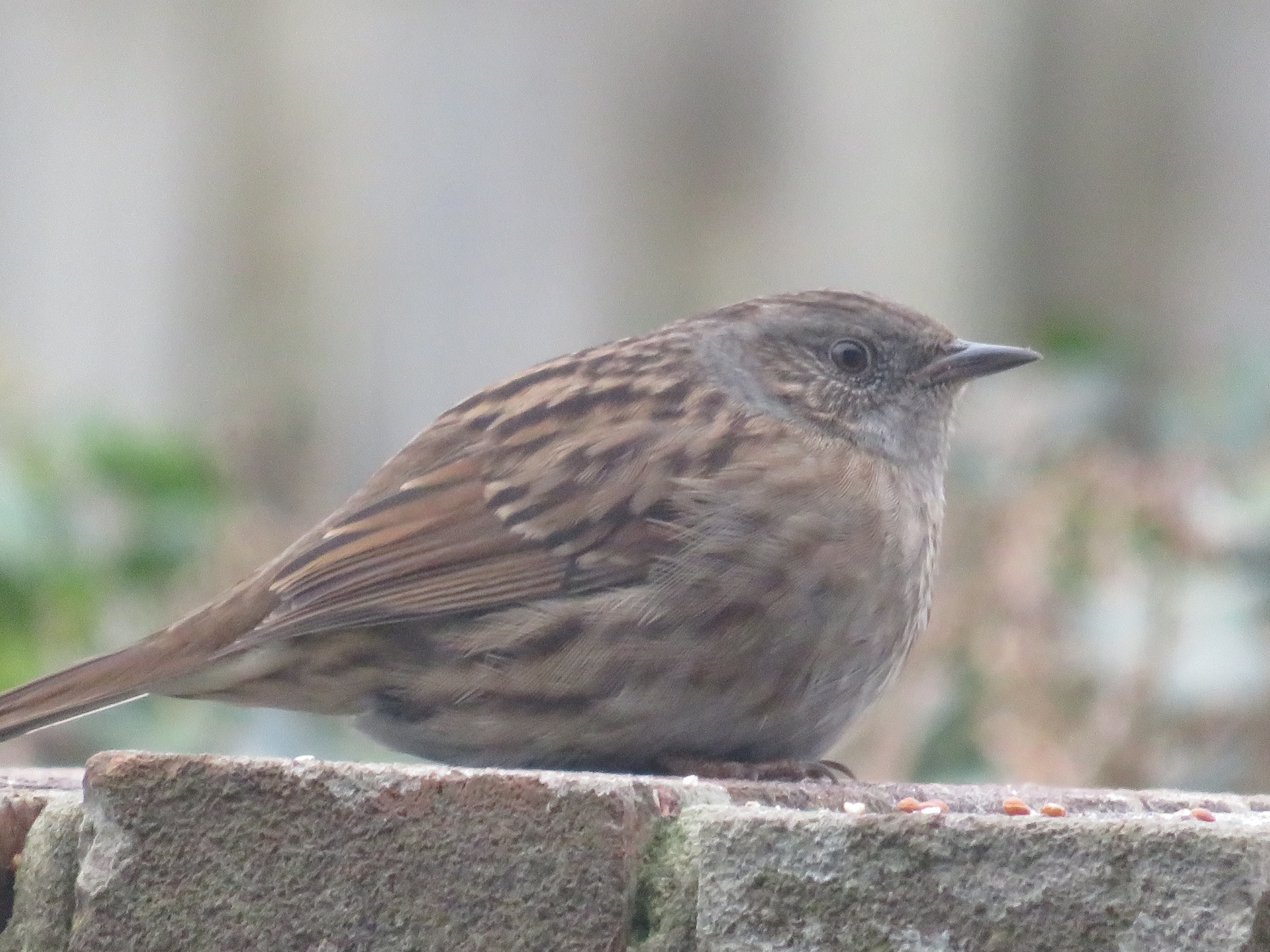
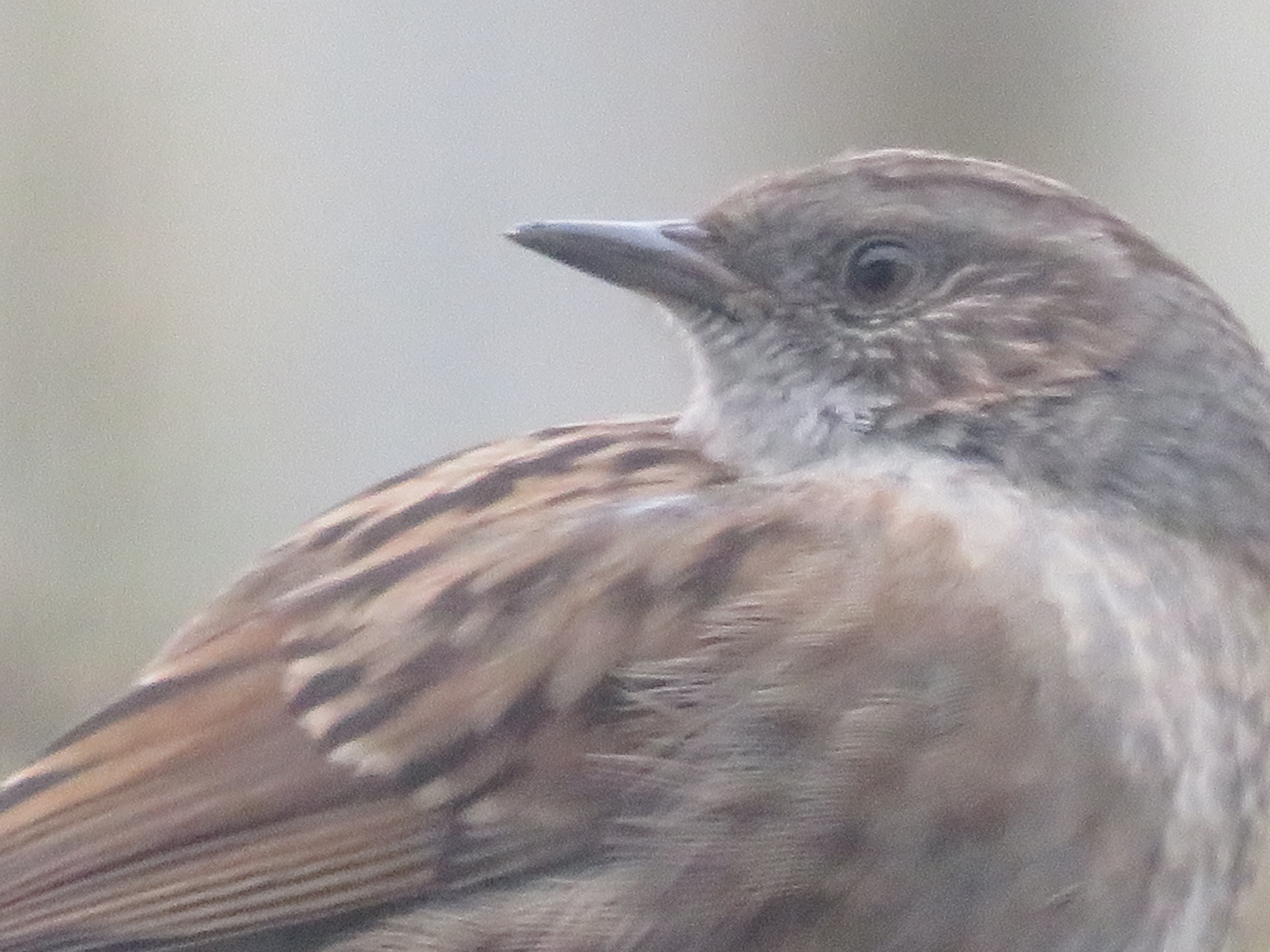
The Dunnock is a lovely little bird which usually is not afraid of bigger birds when on my wall ,it will take tiny bit of food that over birds don’t want.
It is a robin sized bird and measures about 5 inches in length .It has a brown back streaked blackish, similar to a house sparrow. It has a drab appearance which may by camouflage to avoid predators. It has a fine pointed bill.
Dunnocks exhibit frequent wing flicking ,especially when engaged in territory rights or mating rights .
Dunnock eggs are a glossy ,bright blue and about 14 – 19mm in size.They are laid in a cup shaped nest made from twigs ,moss and other plant material. The Dunnock lays 4 -5 eggs usually blue but often white . The female incubates the young for about twelve days although both sexes tend the young .
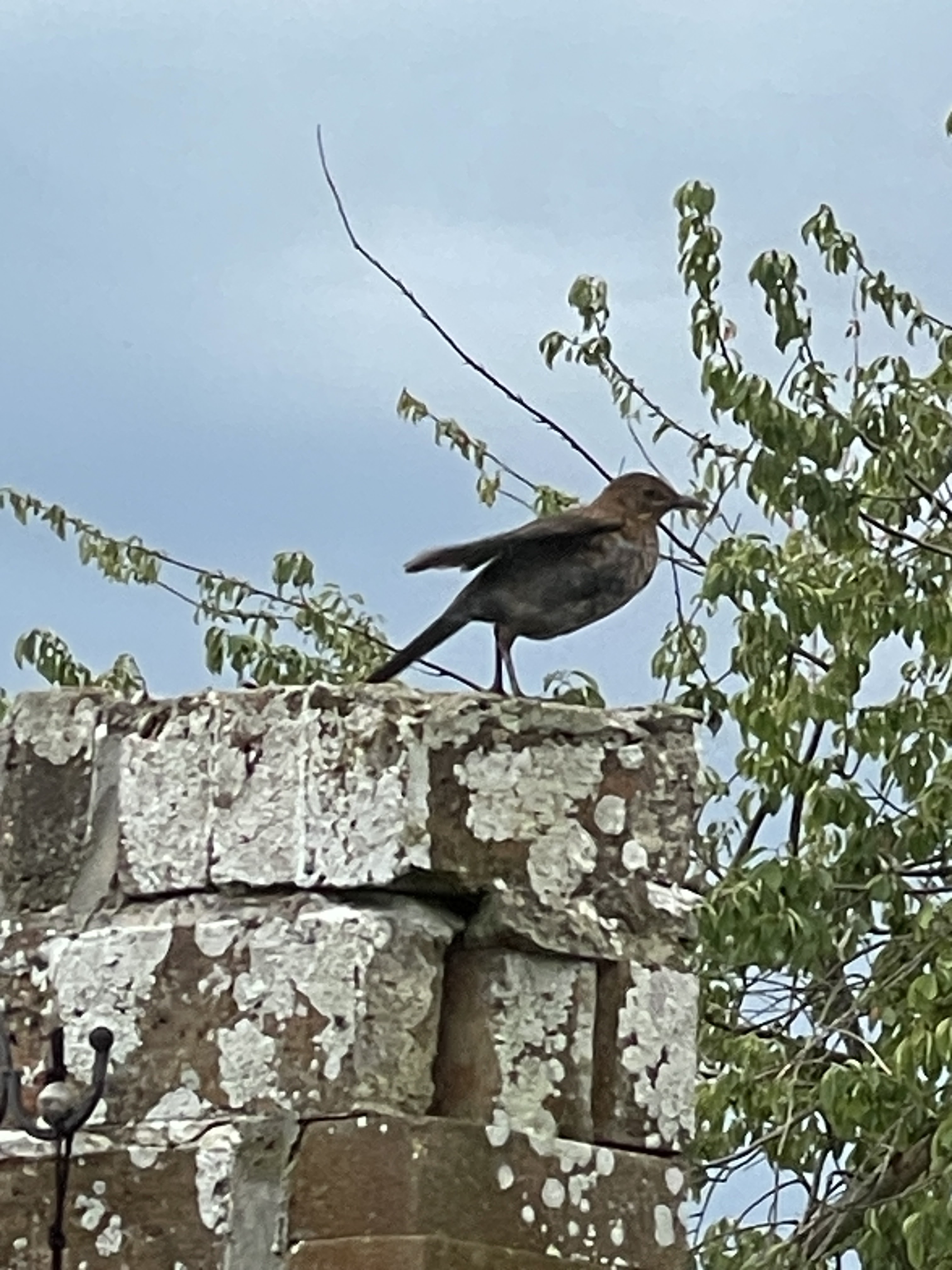
The Blackbird
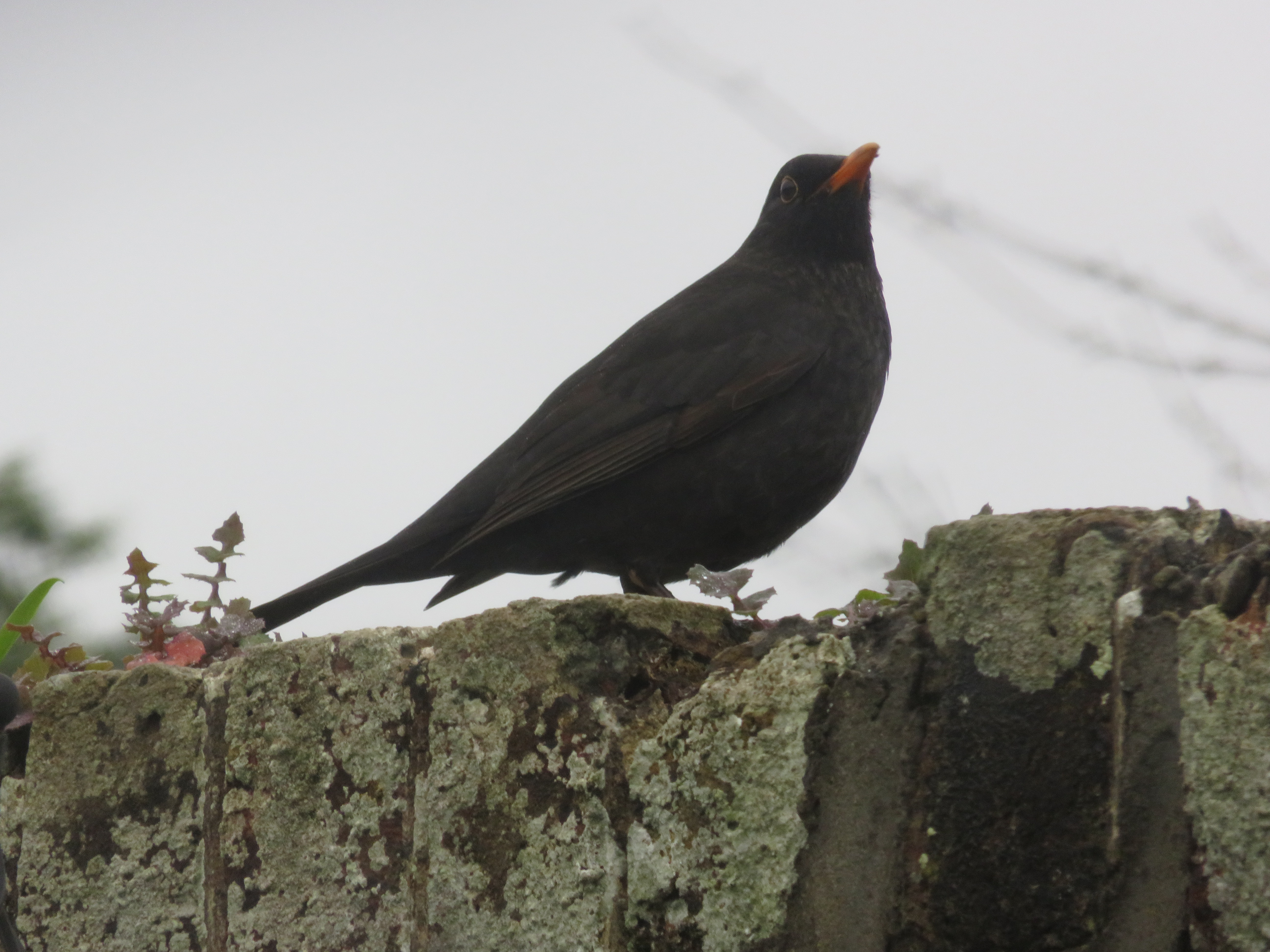
The Blackbird is a species of thrush . The adult male which is found throughout most of Europe is all black except for a yellow eye ring and bill. and has a rich beautiful song . The adult female and the juvenile have mainly brown plumage .
They breed in woods and gardens , building a cup shaped nest bound together with mud .It eats a range of insects ,earthworms , berries and fruits .
Both sexes are territorial on the breeding grounds , with distinctive threat behaviour .
Blackbird eggs in the British Isles are smooth, glossy , and blue or green – blue with red brown speckles. The nesting season is officially March – July this can change depending on the weather .So you may see blackbird chicks in the nest as late as August .
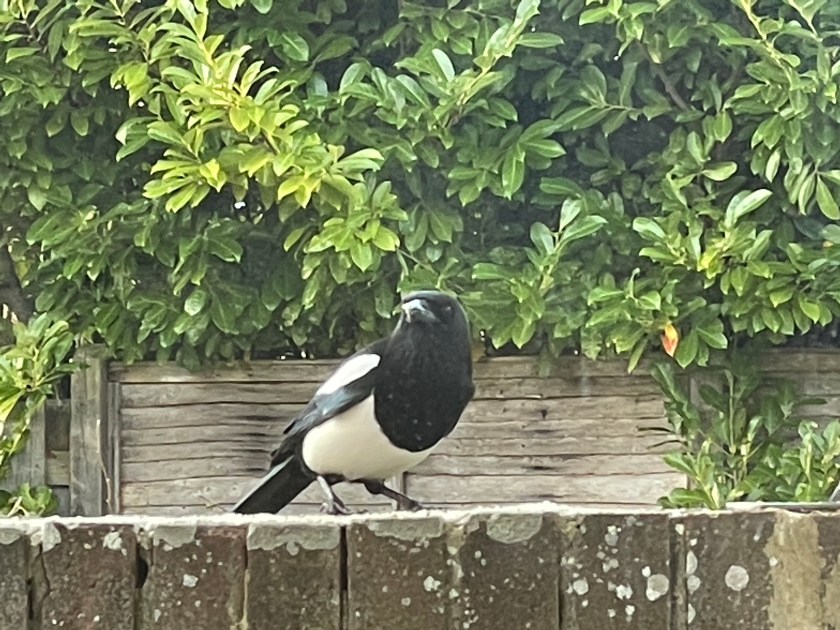
Magpies
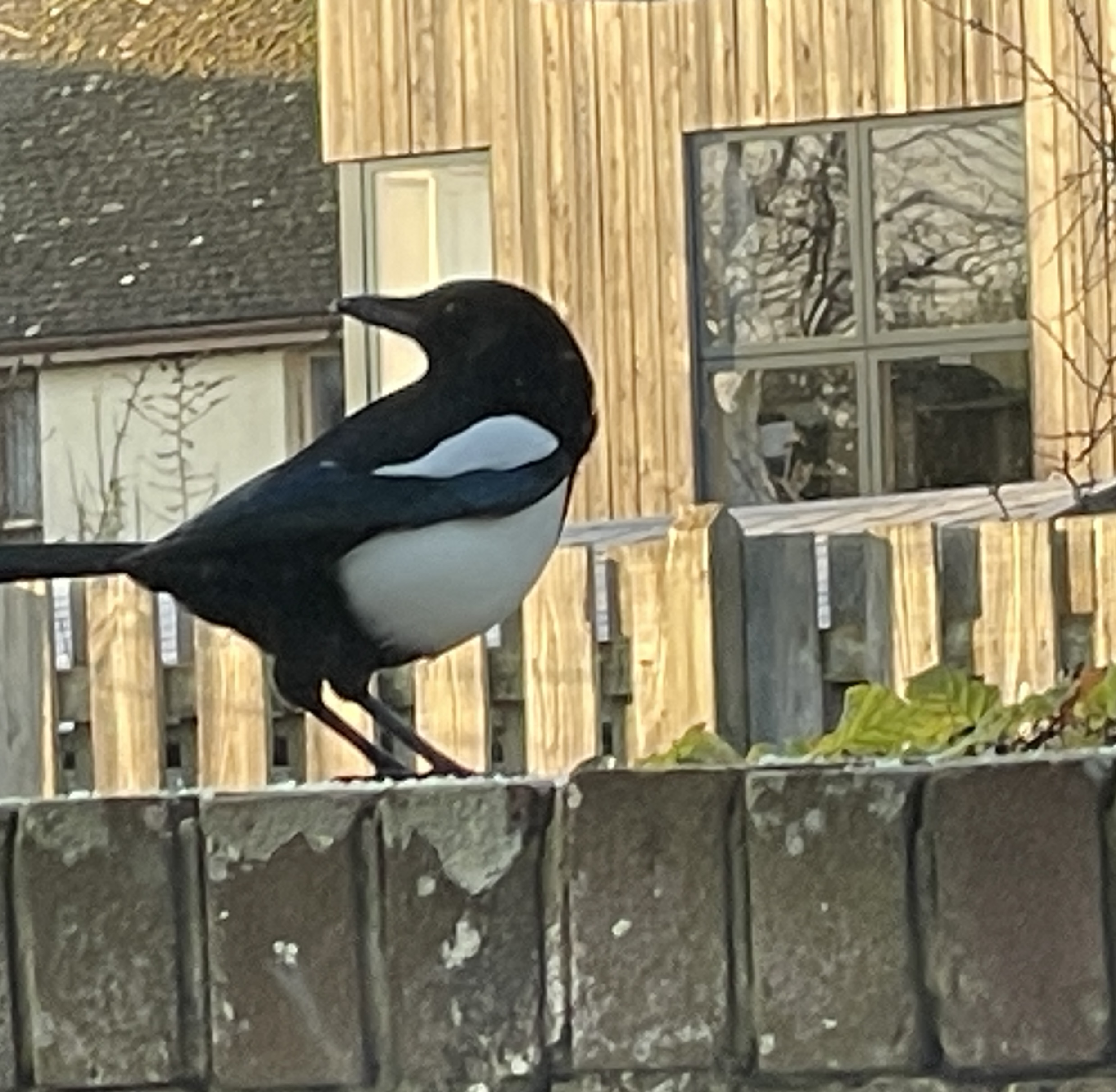
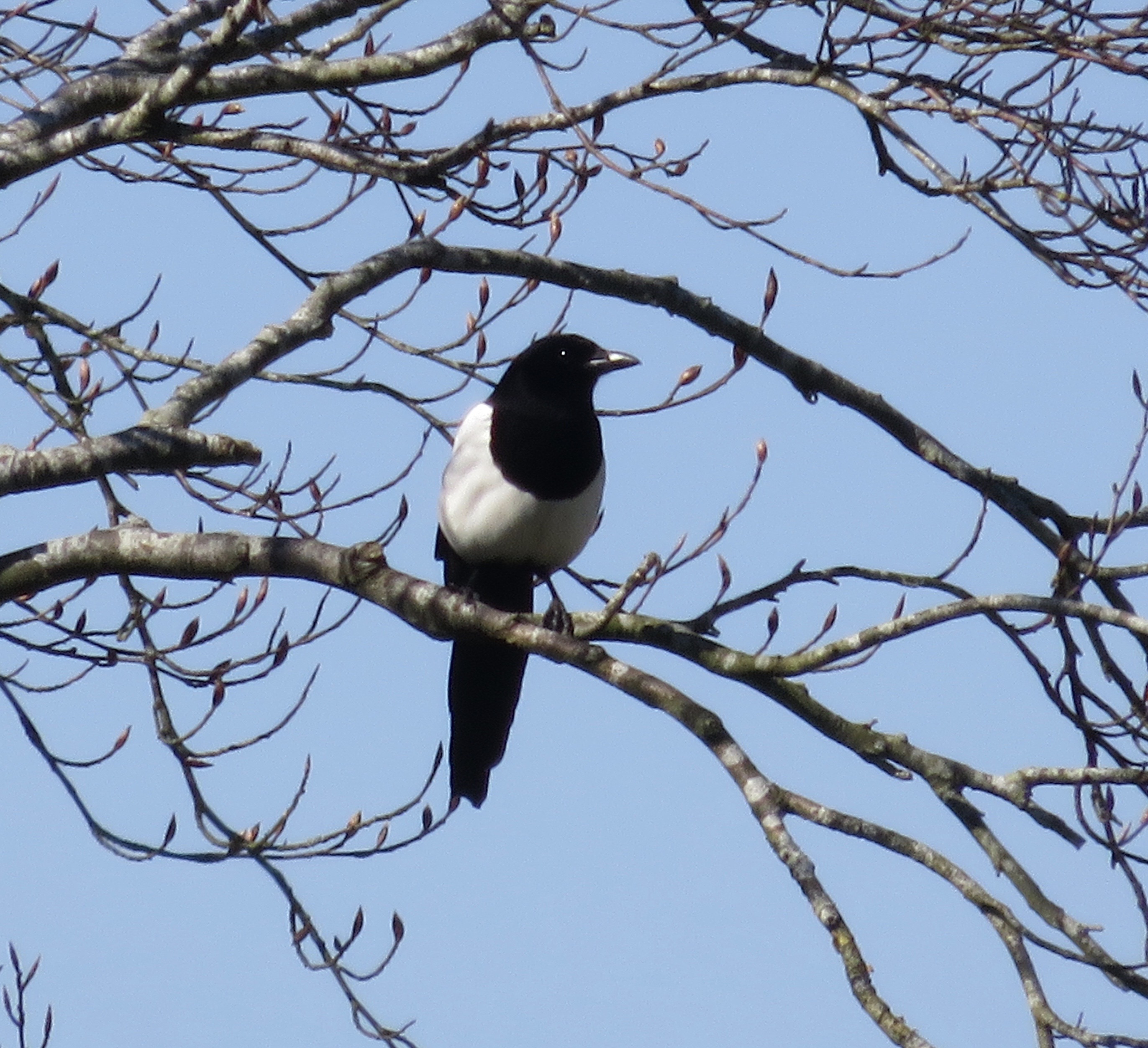
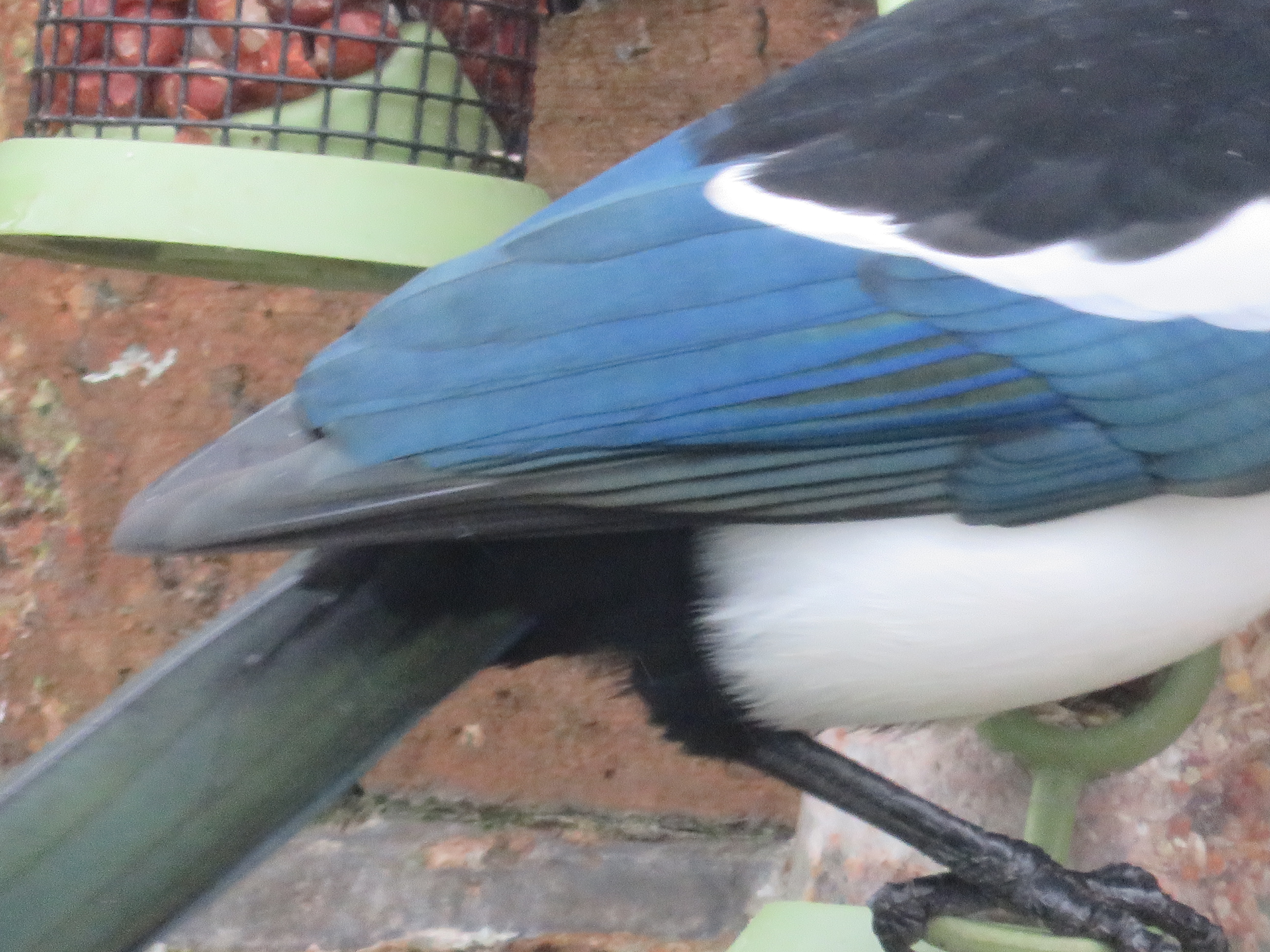
The Magpie comes to my wall a lot chattering away and it is the most beautiful bird . When seen up close the Magpie with its black and white plumage reveals a purplish blue sheen to its wing feathers and a green shine to its tail.
They are usually accused of being scavengers, predators and pest destroyers on breeding birds will gather in flocks. They are often called the bad boy of the bird world as they steal eggs from other birds nests to eat .
Magpie nests are bulky ,dome shaped structures with a side entrance made of twigs and mud and are usually in tall trees ,bushes or hedges. They also often reuse nests built the previous year . The nests they build can measure around 50 x 70 cm. The male transports material to the nest site and the female builds the nest ( She probably wants an on suite and a kitchen diner !)
Their nesting season is April – July but can be from December. They only have one brood a year and lay 5 – 6 eggs which are pale blue or blue green with speckled olive brown markings. The incubation period is 20 days by the female and the babies fledge 24 – 30 days from hatching.
All Photos are taken by me unless otherwise stated.
Back to main page.

 Moving on to Bembridge