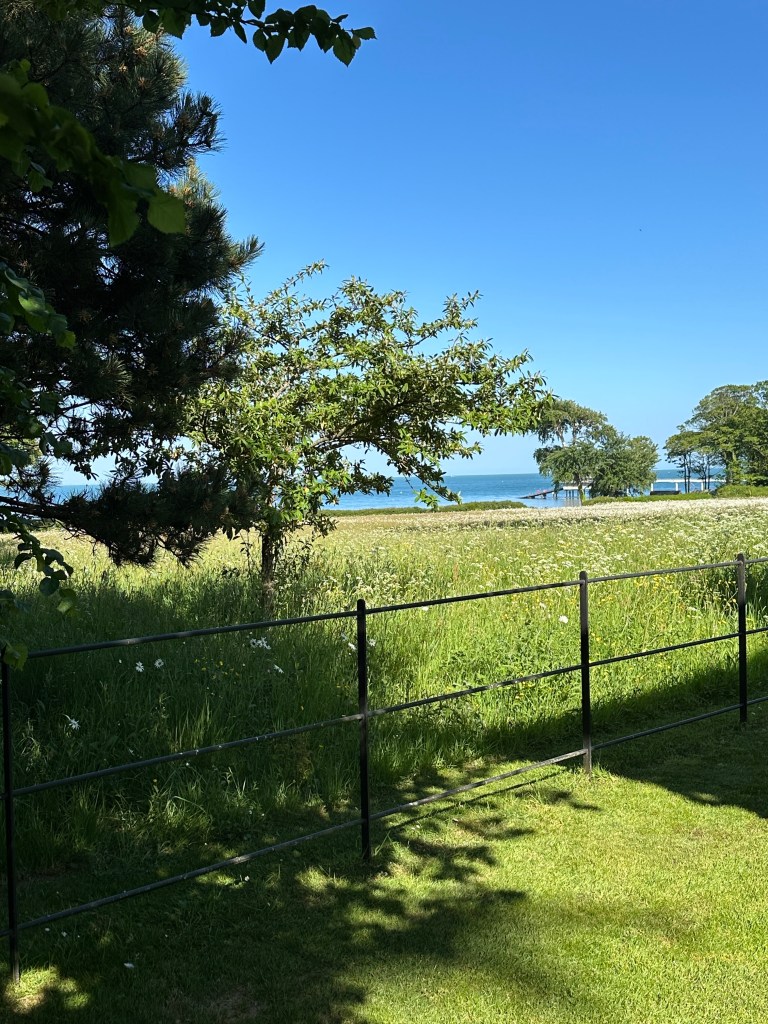
My walk to the beach.

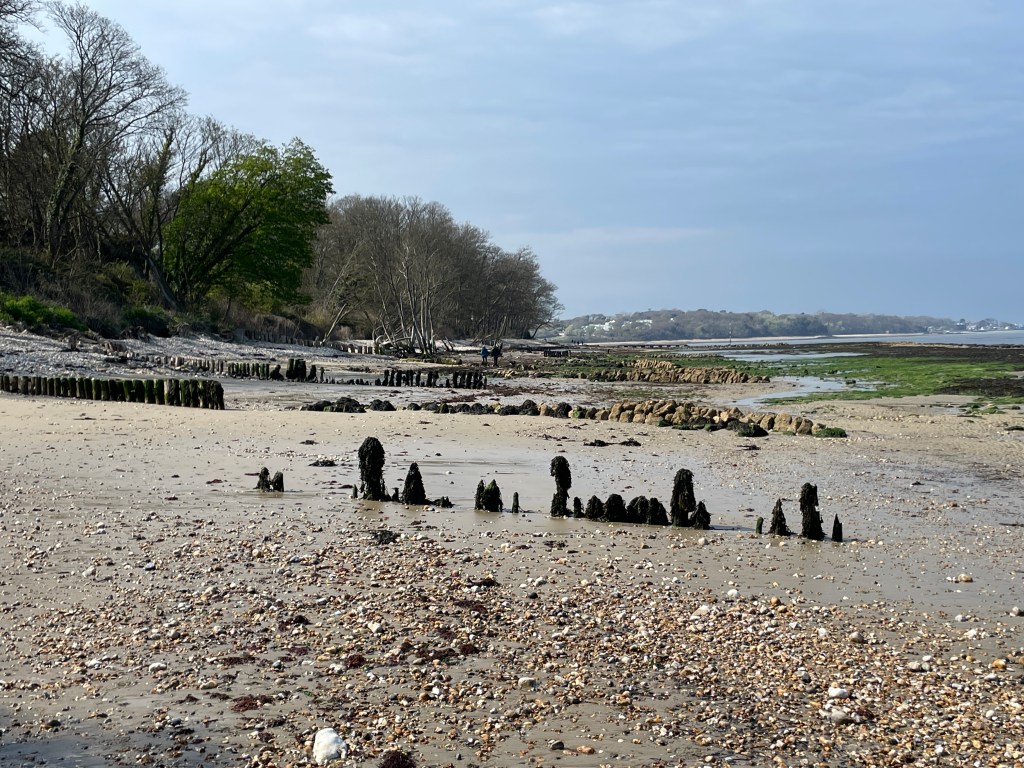
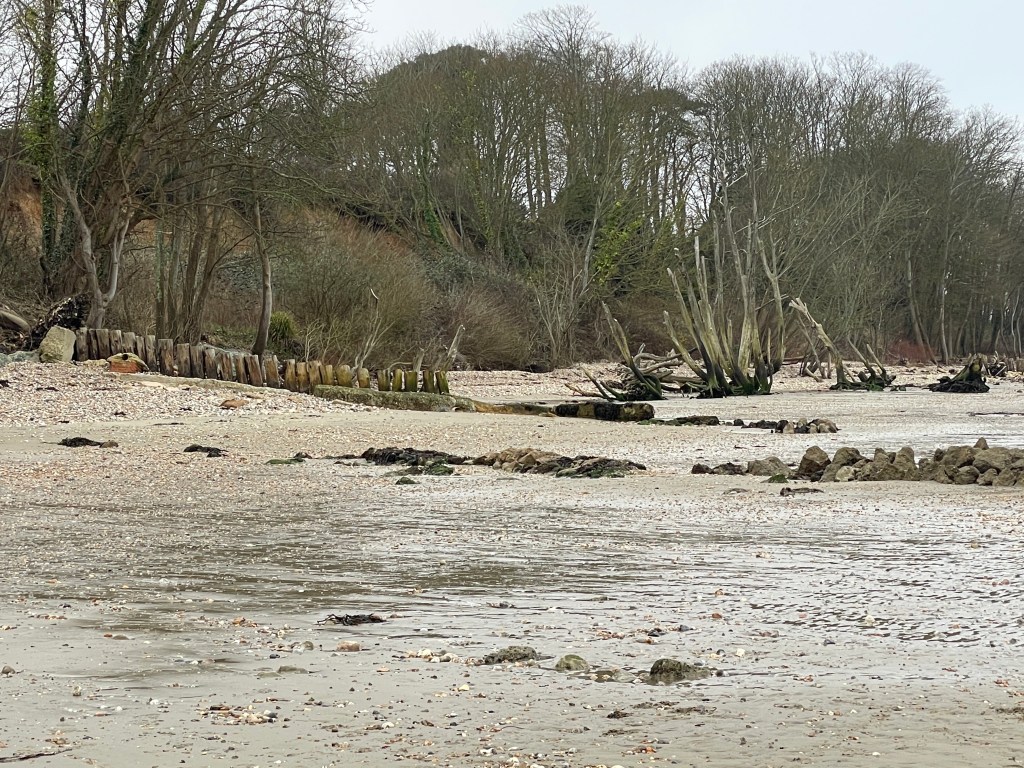
Ducie Beach , Bembridge.
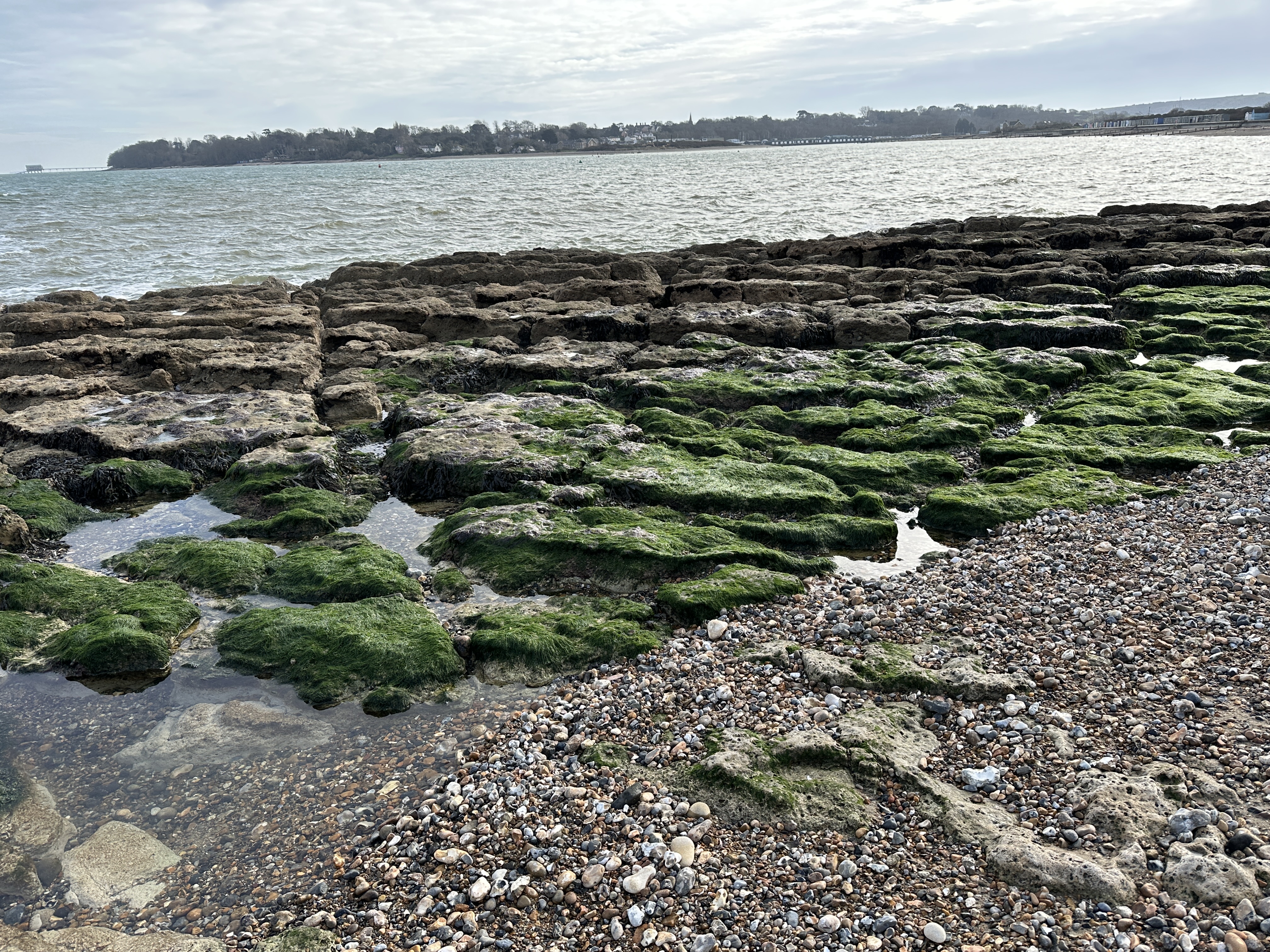
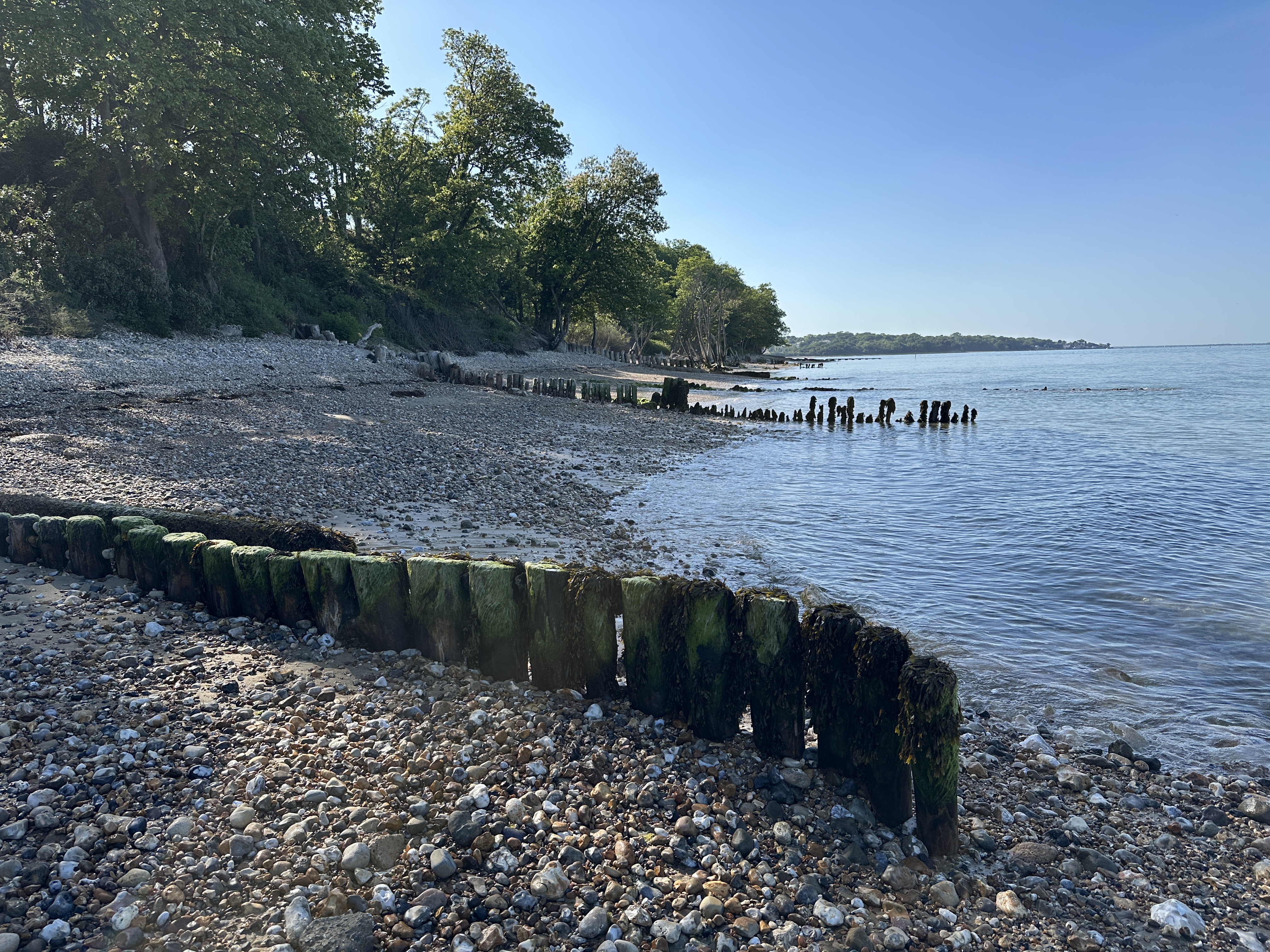
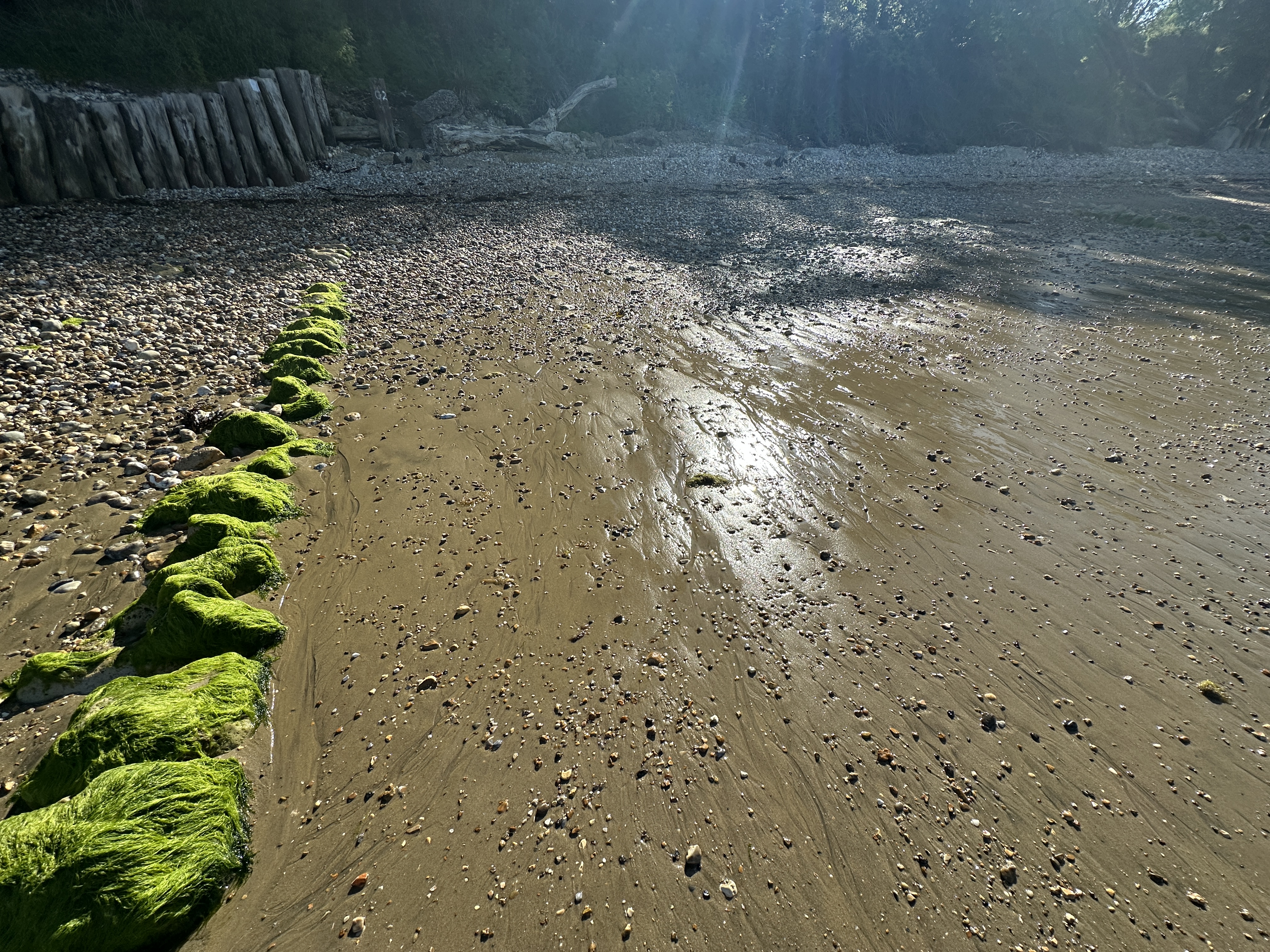
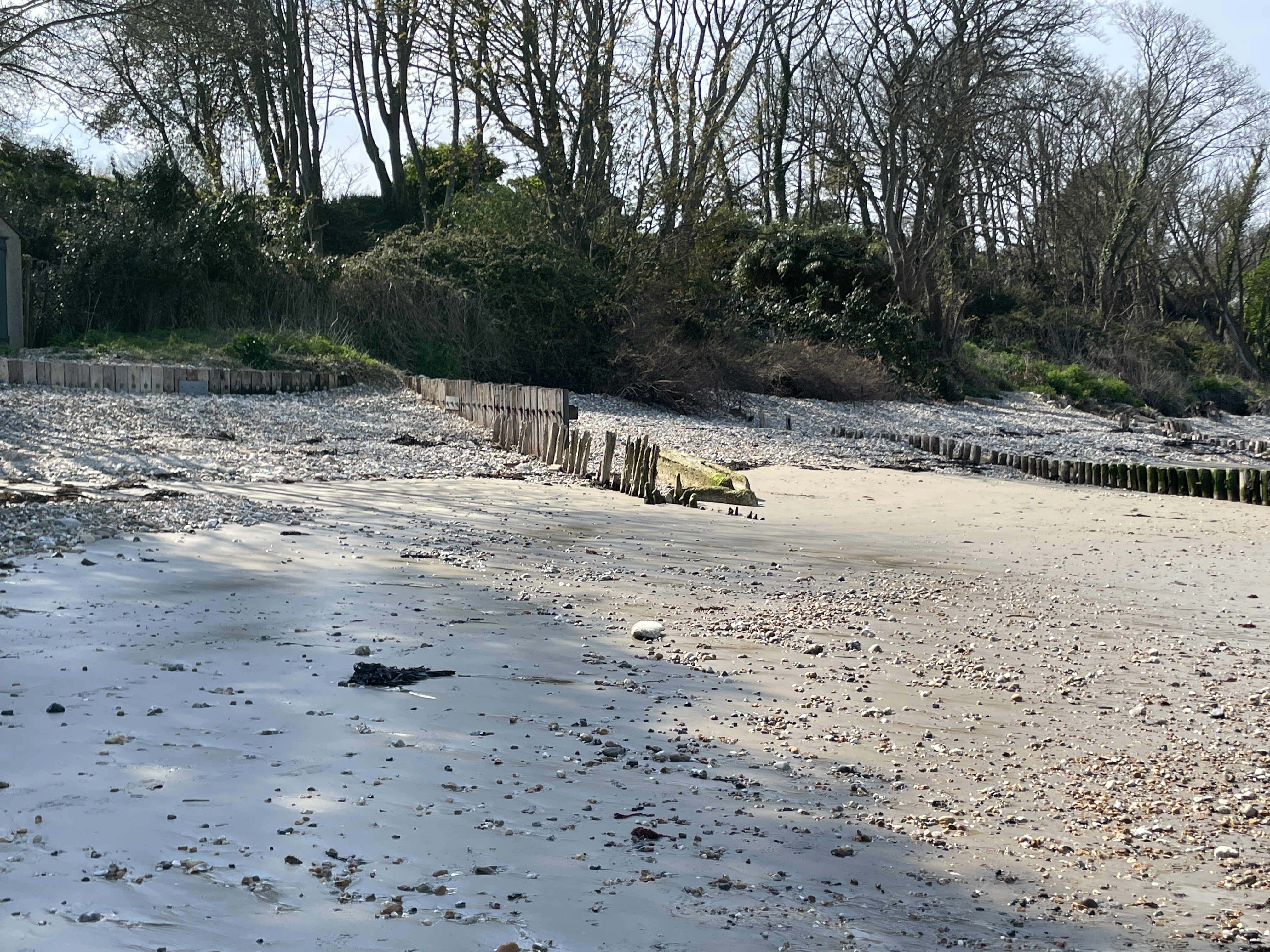
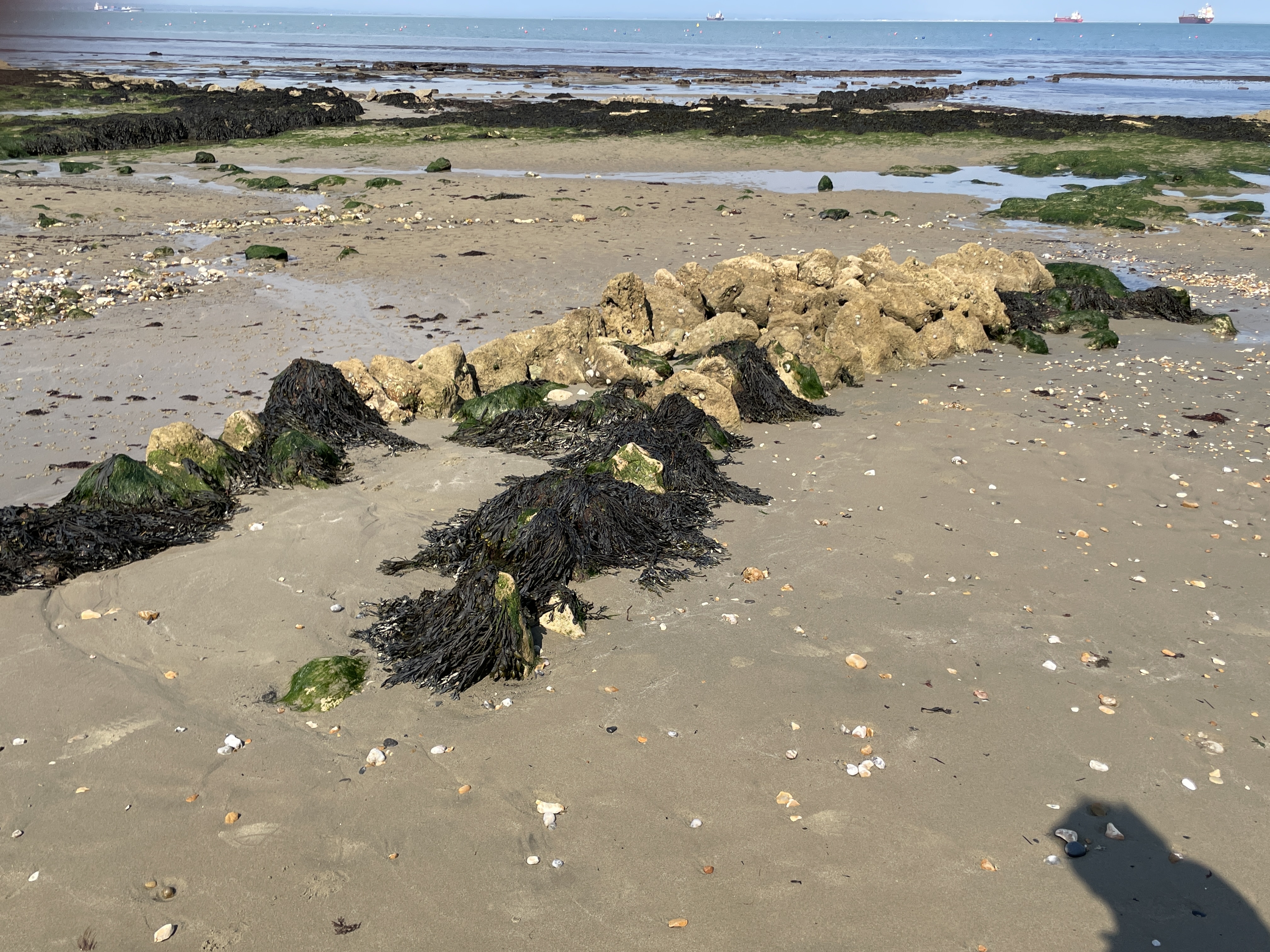
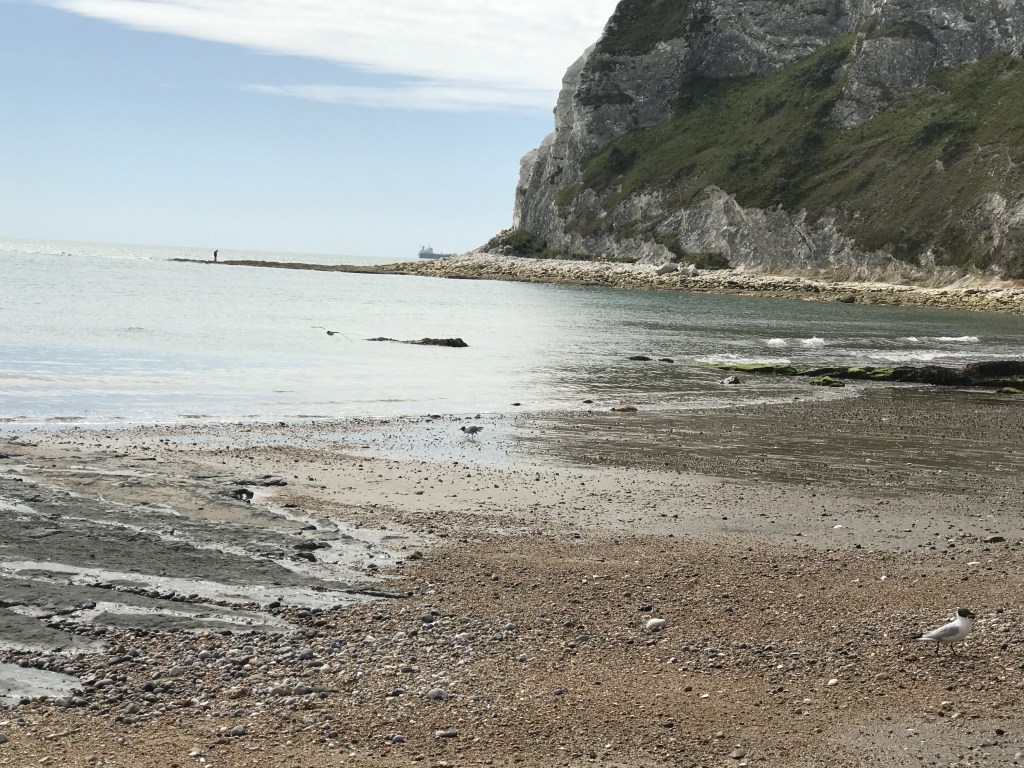
Ducie Beach is less than ten minutes walk from my cottage , It has only been in the last few weeks that I have been able to go there for any length of time due to my knee replacement operation a year ago.

I feel confident now going on my own going up and down steps , over pebbles , and over rocks ( only small rocks )

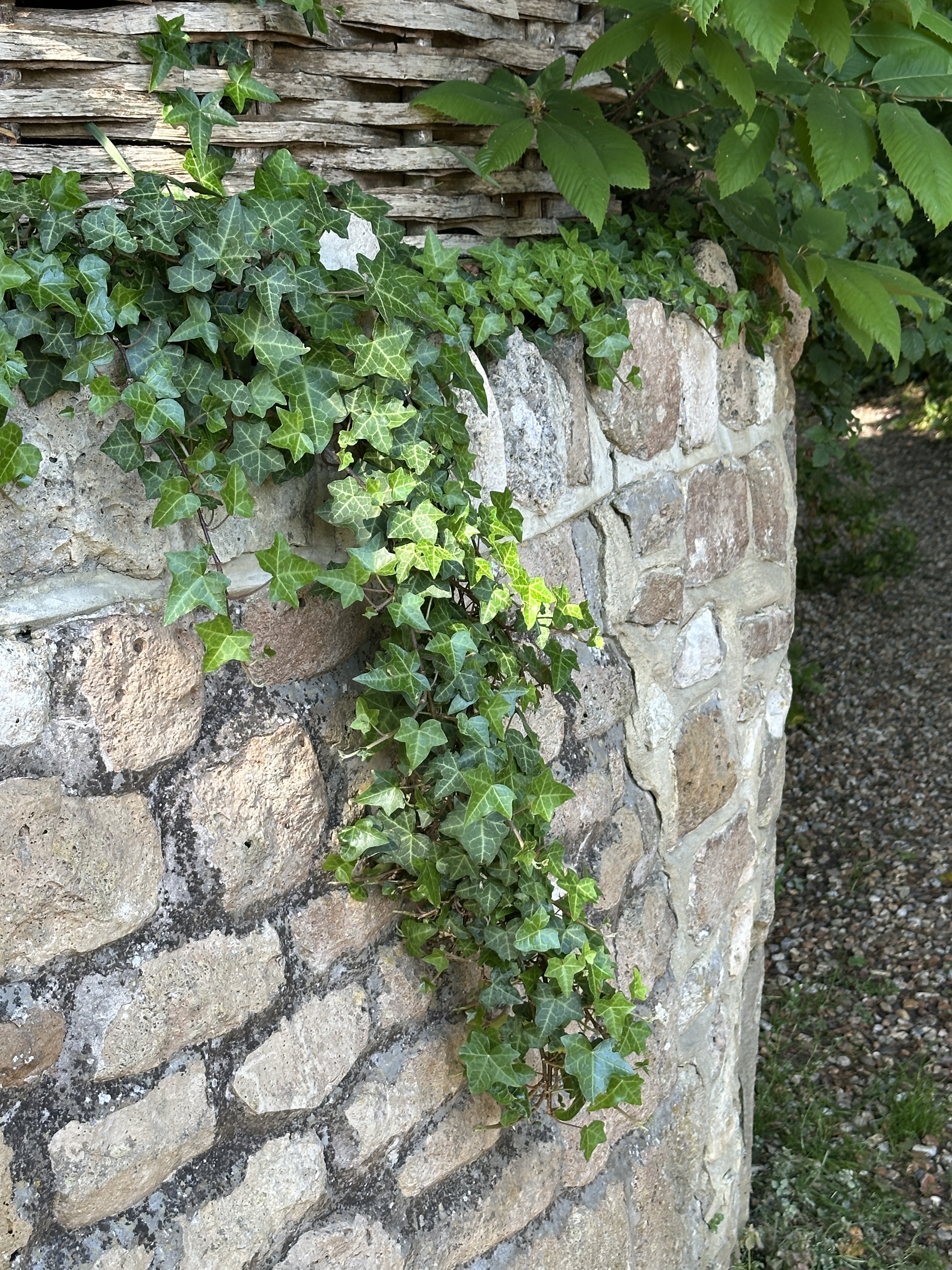
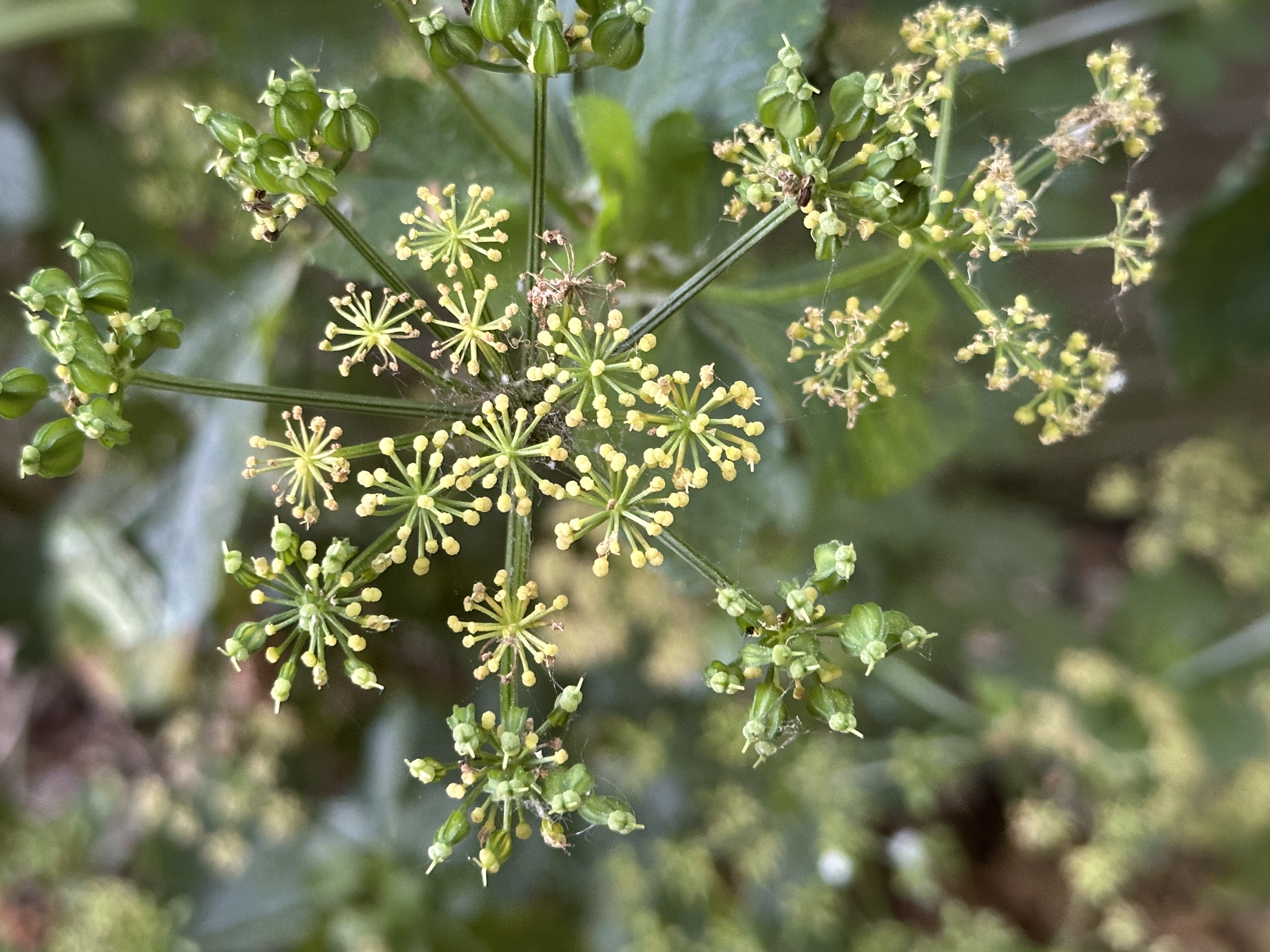
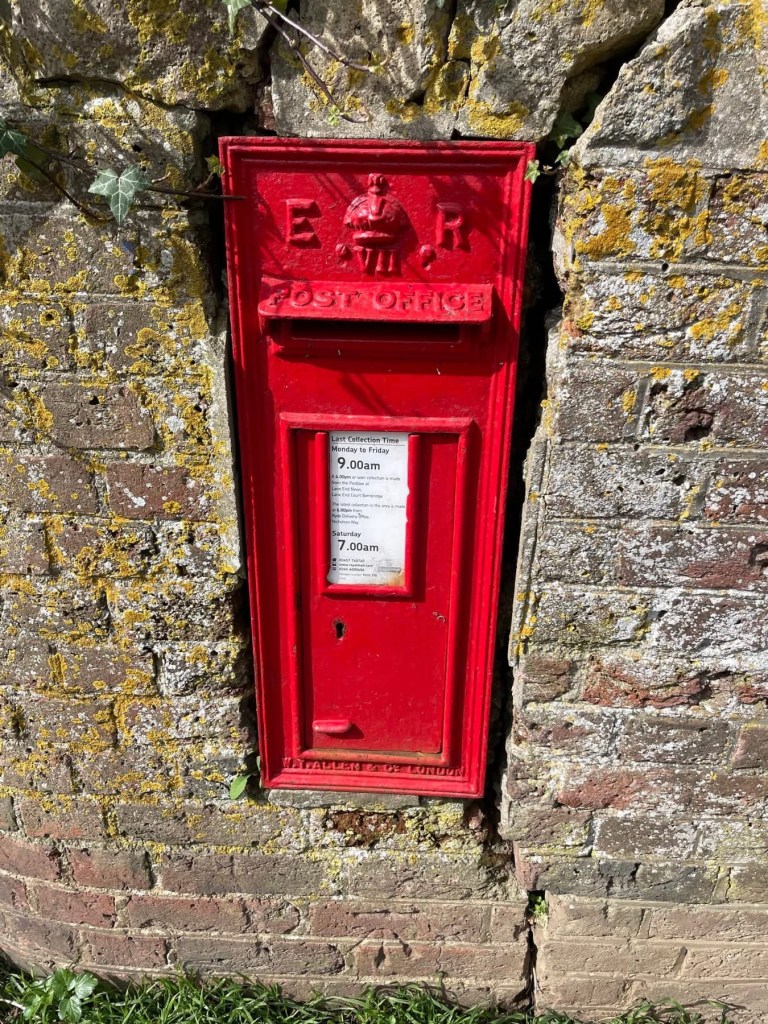
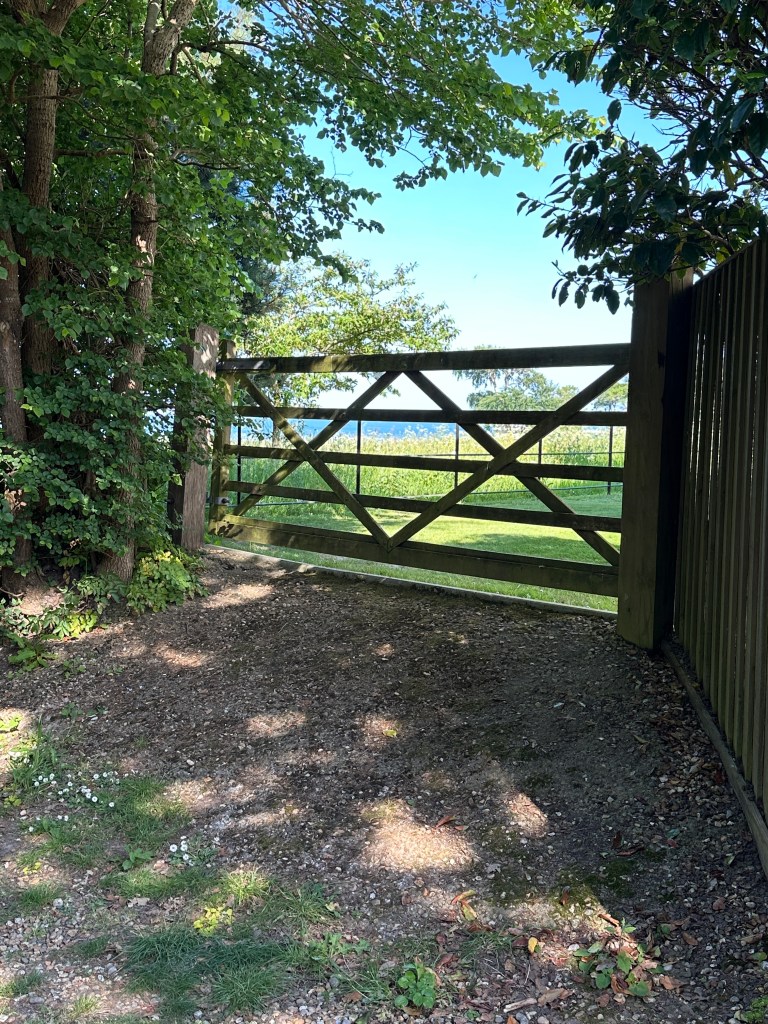
The start of my walk is down a stony lane which leads to the beach . Walking down the lane to the beach is so relaxing as I have trees , flowers and wildlife to observe….Including at the beginning of the stony lane is this Edward Vll postbox which is still emptied every day.

This post box has been here since 1901 when Edward became King of United Kingdom . Edward was the second son of Queen Victoria .

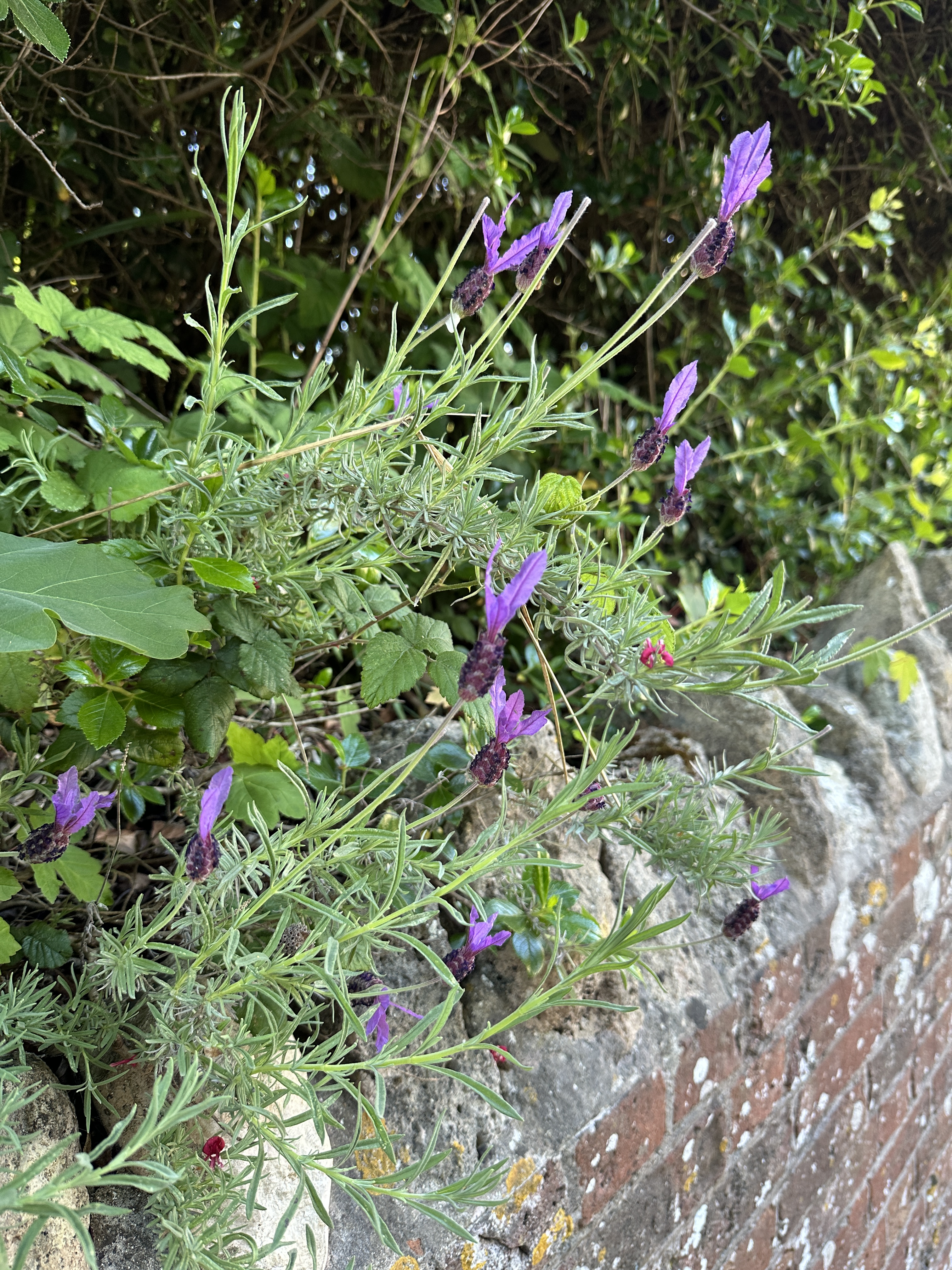
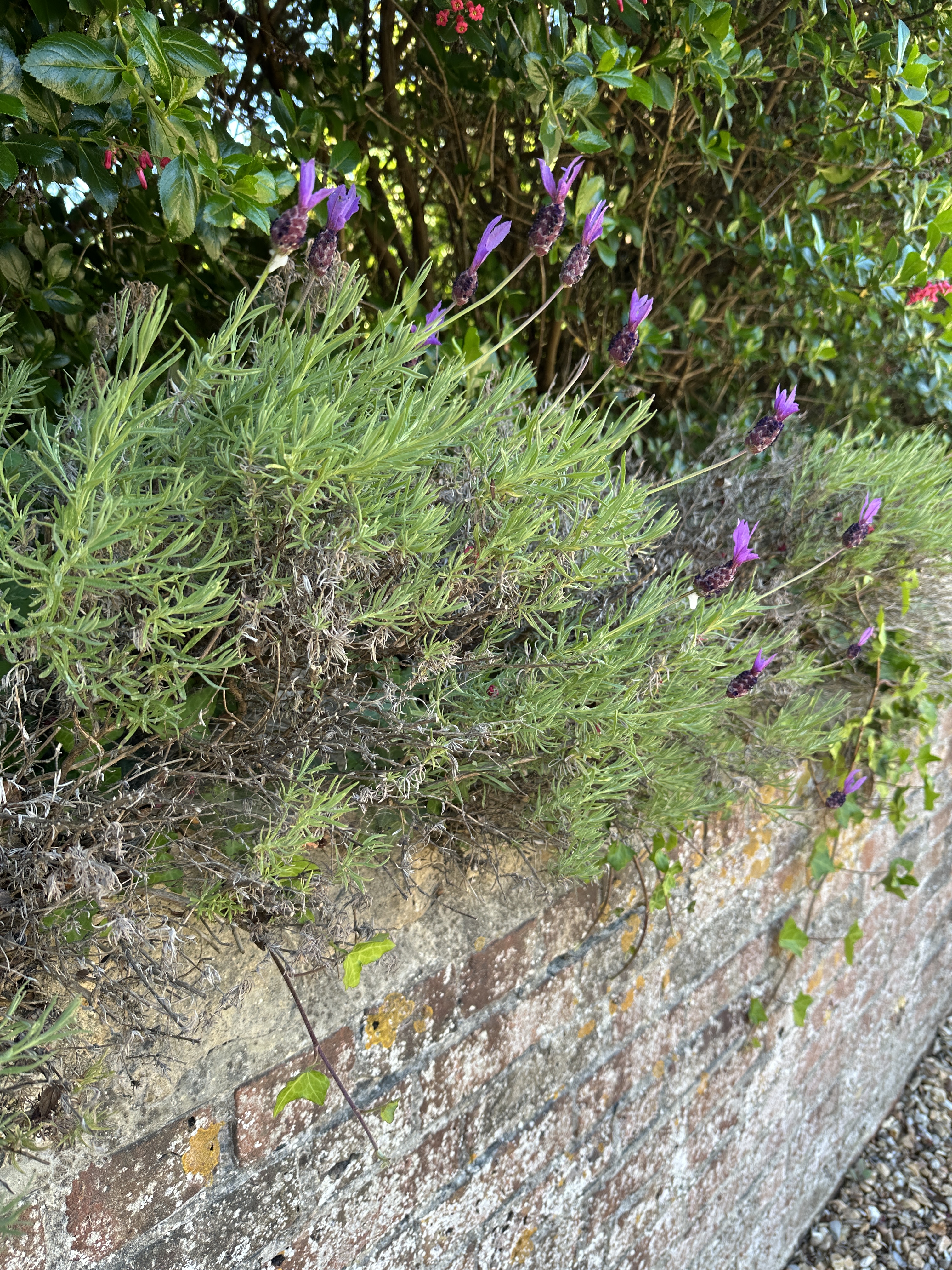
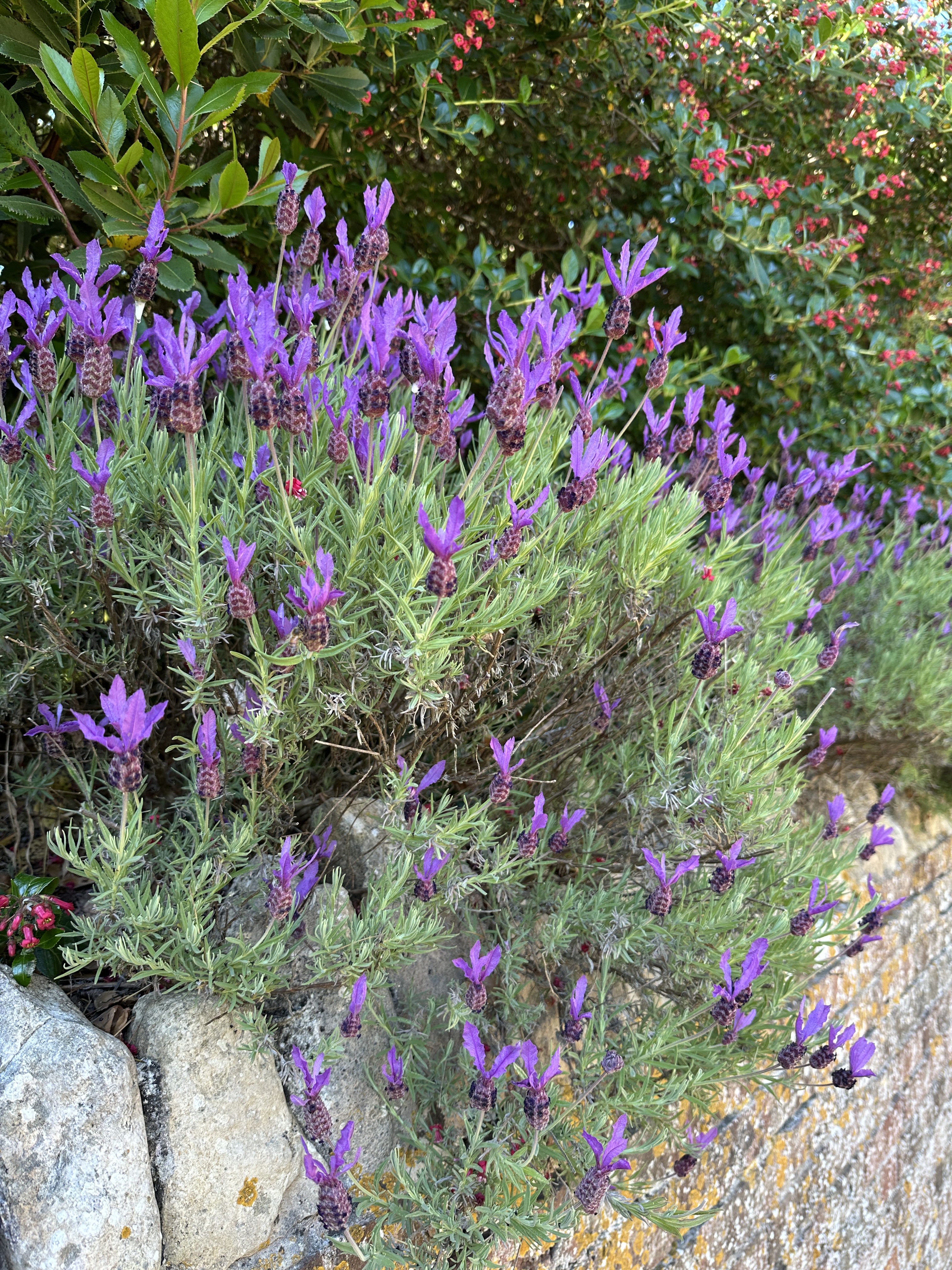
I am now well on the way to the beach after passing a beautiful line of lavender .

Lavender has so many wonderful medicinal properties and has wonderful aromatic qualities.. .The flower heads can be used in essential oils , scented candles and soaps but is often used for stress relief , helping to reduce anxiety and improve sleep quality.

Lavender oil can also be used to treat skin conditions like eczema and acne..It may also help with headaches ,nervous disorders and exhaustion. It can be used also as a natural insect repellent when placed around the home or in sachets.

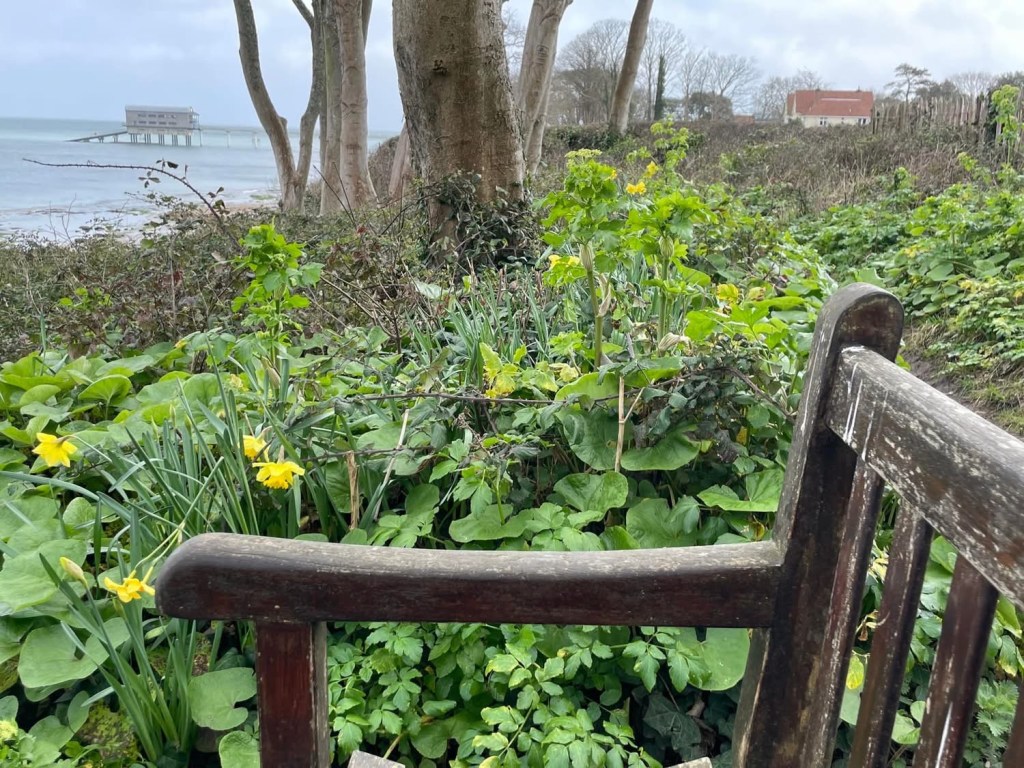
I am now nearing the beach where there are about twenty steps down to the beach , by the steps is a lovely bench if I could not make the steps . I can sit here look at the solent and watch the world go by.

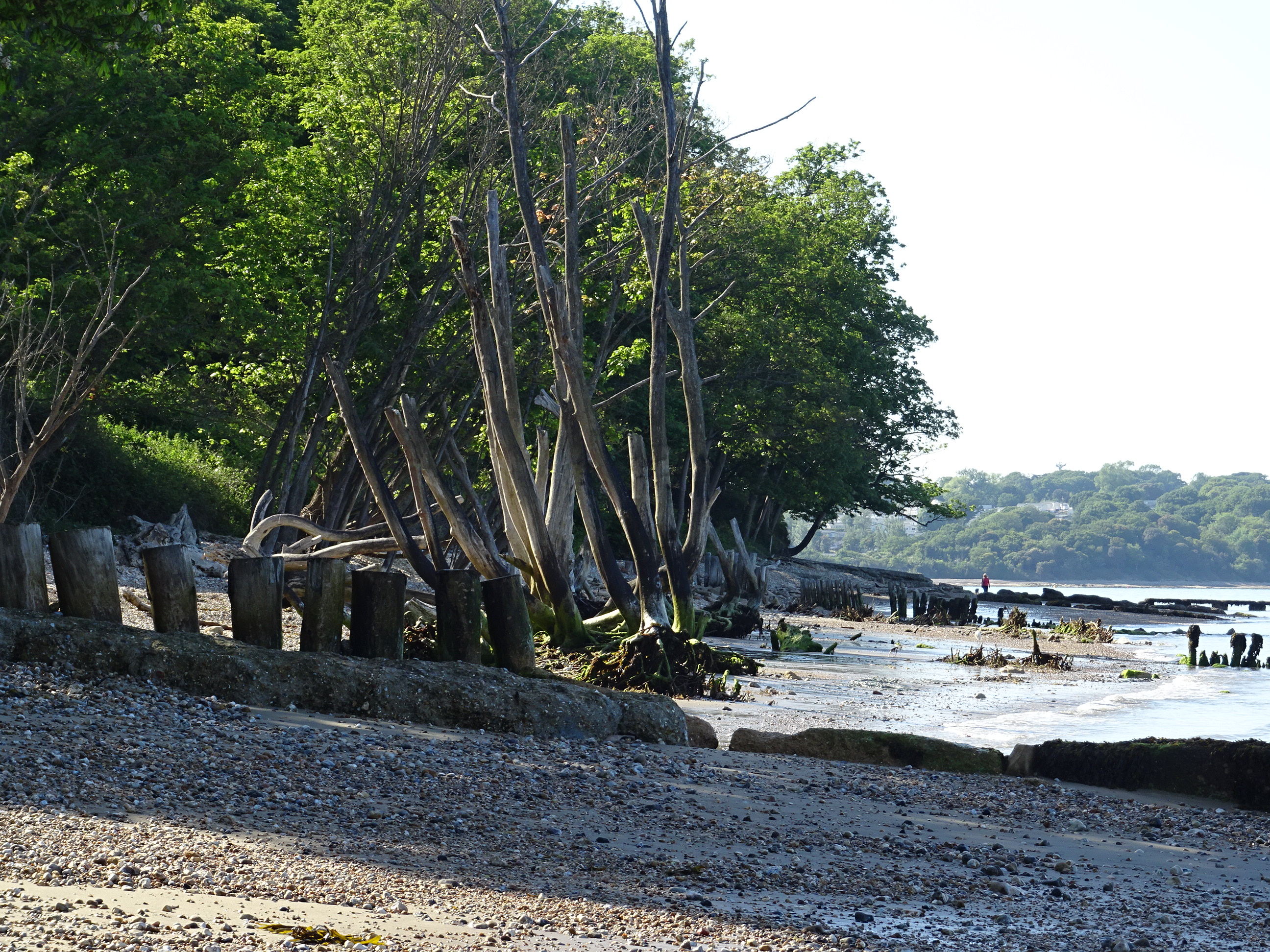
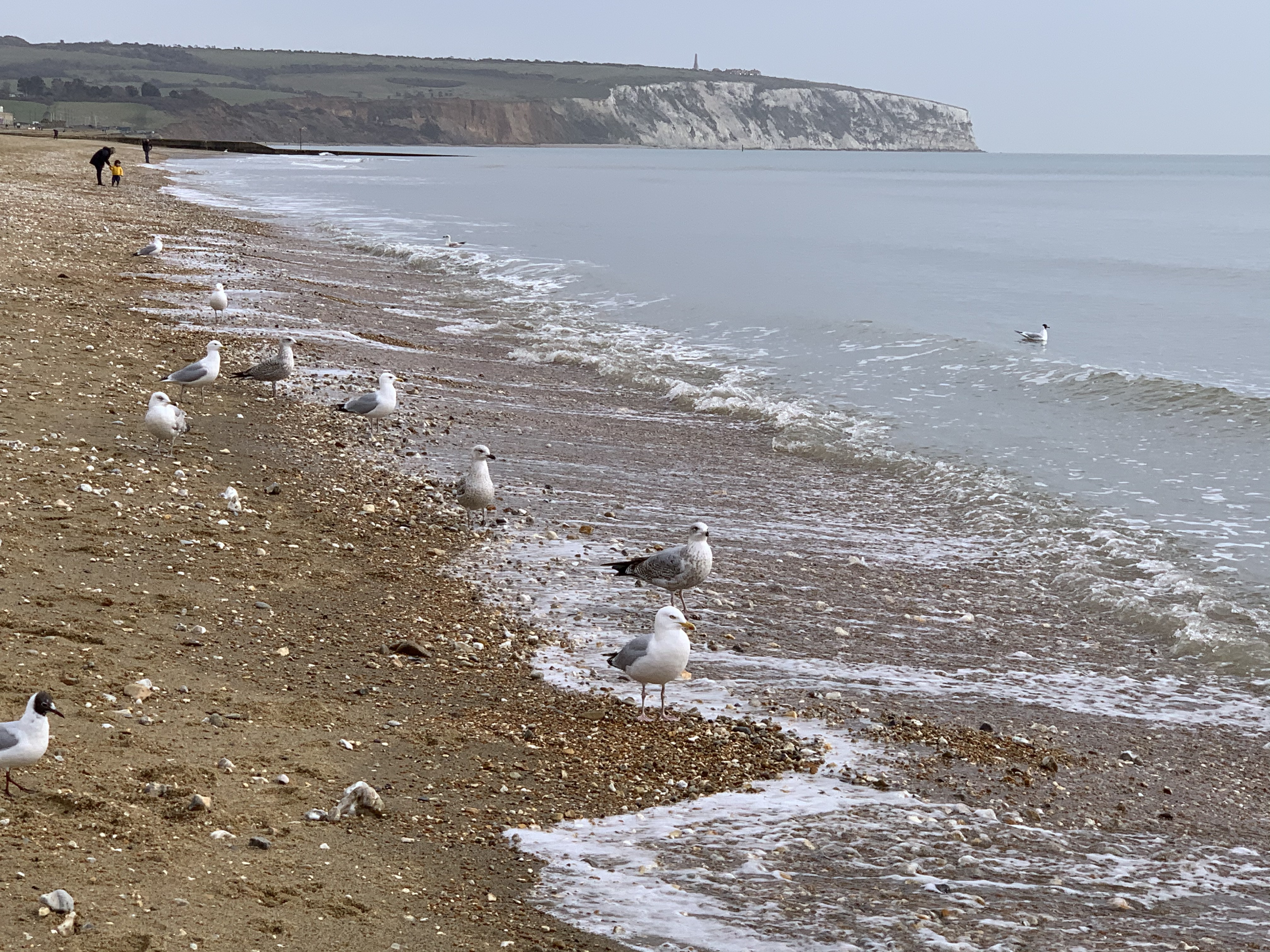
It is now the steps which I am just able to the do since my operation and I am at the most wonderful beach which is so beautiful and peaceful , I could be any where in the world .

Sandown..Isle of Wight.

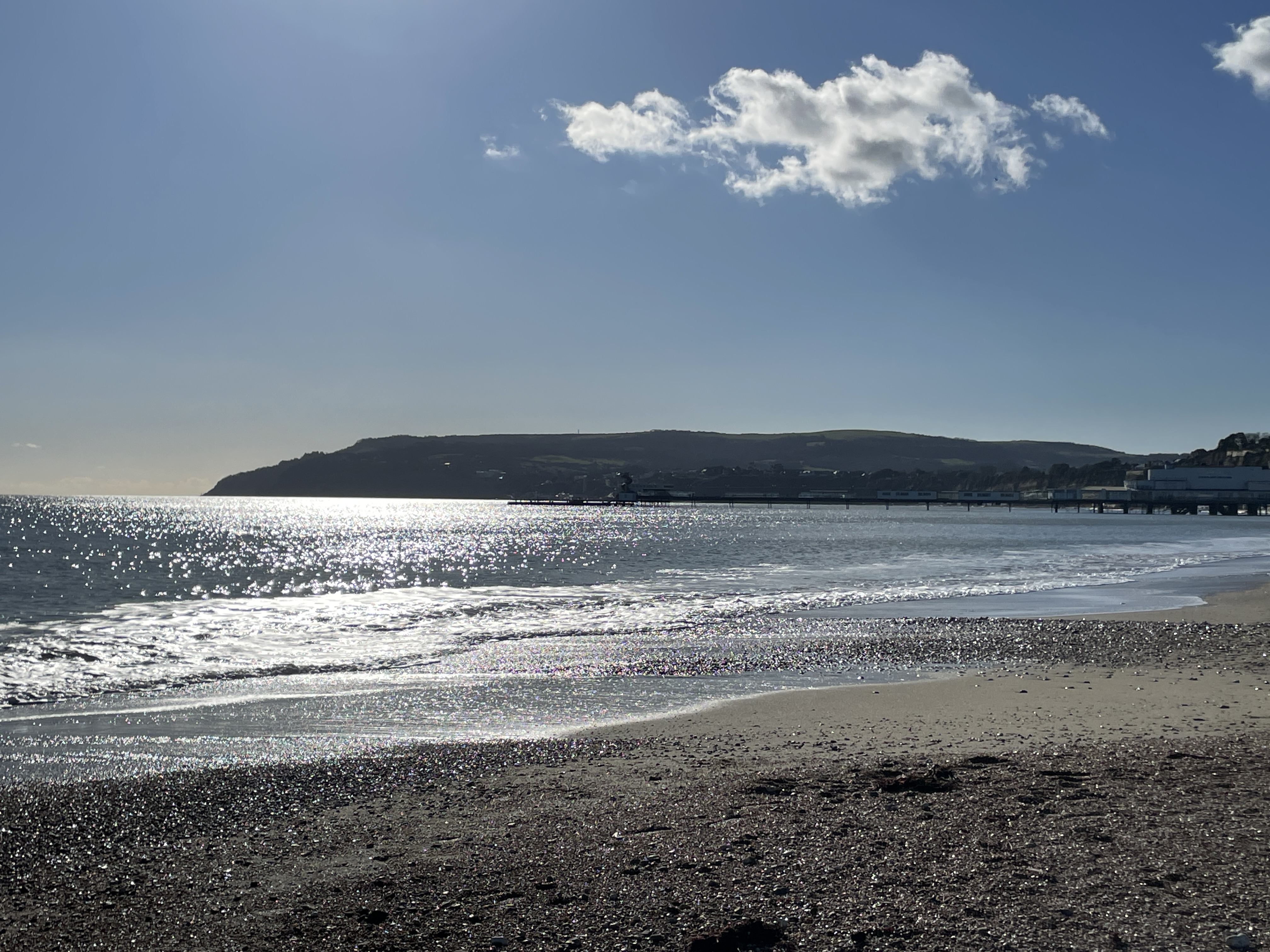
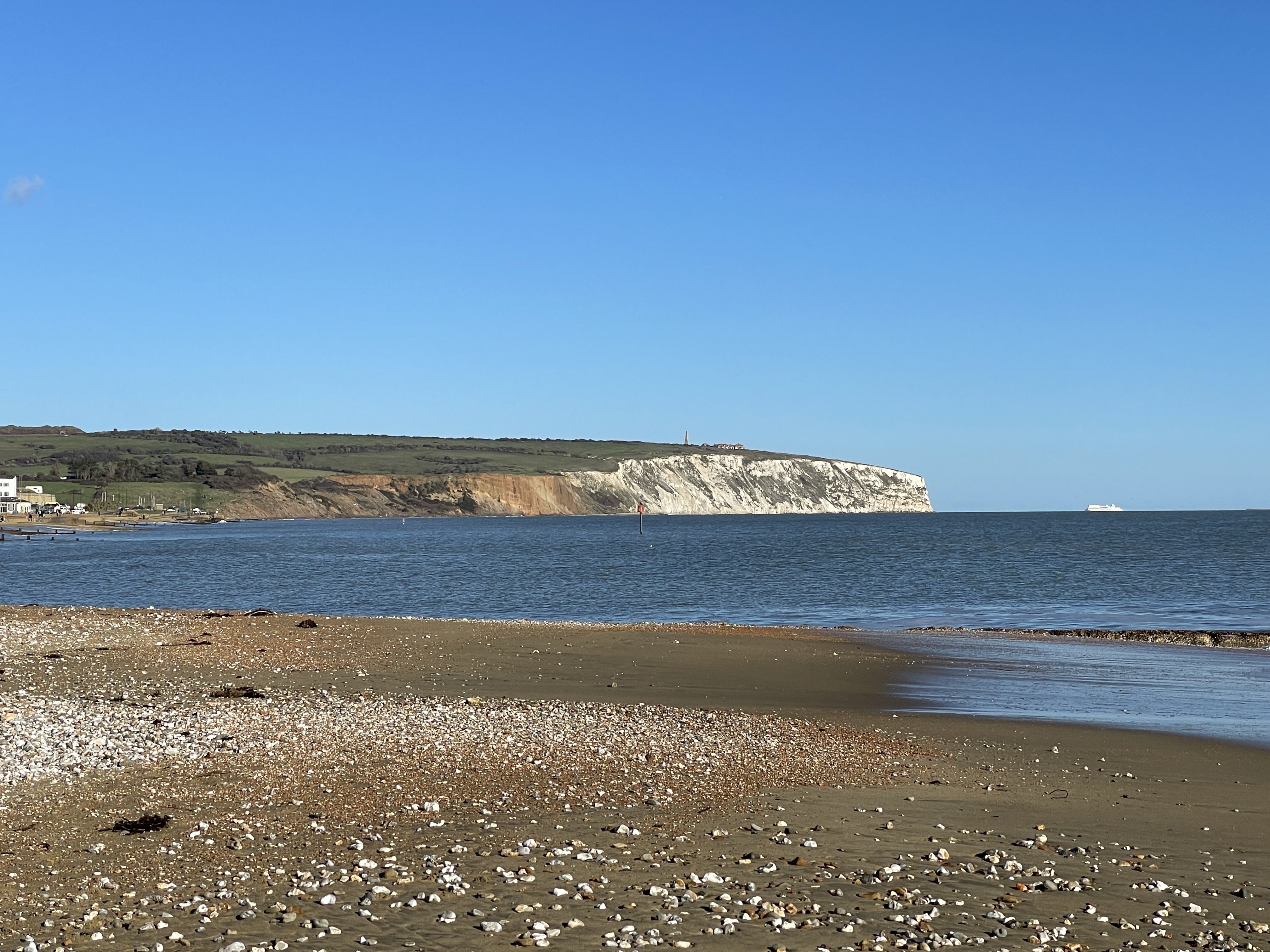
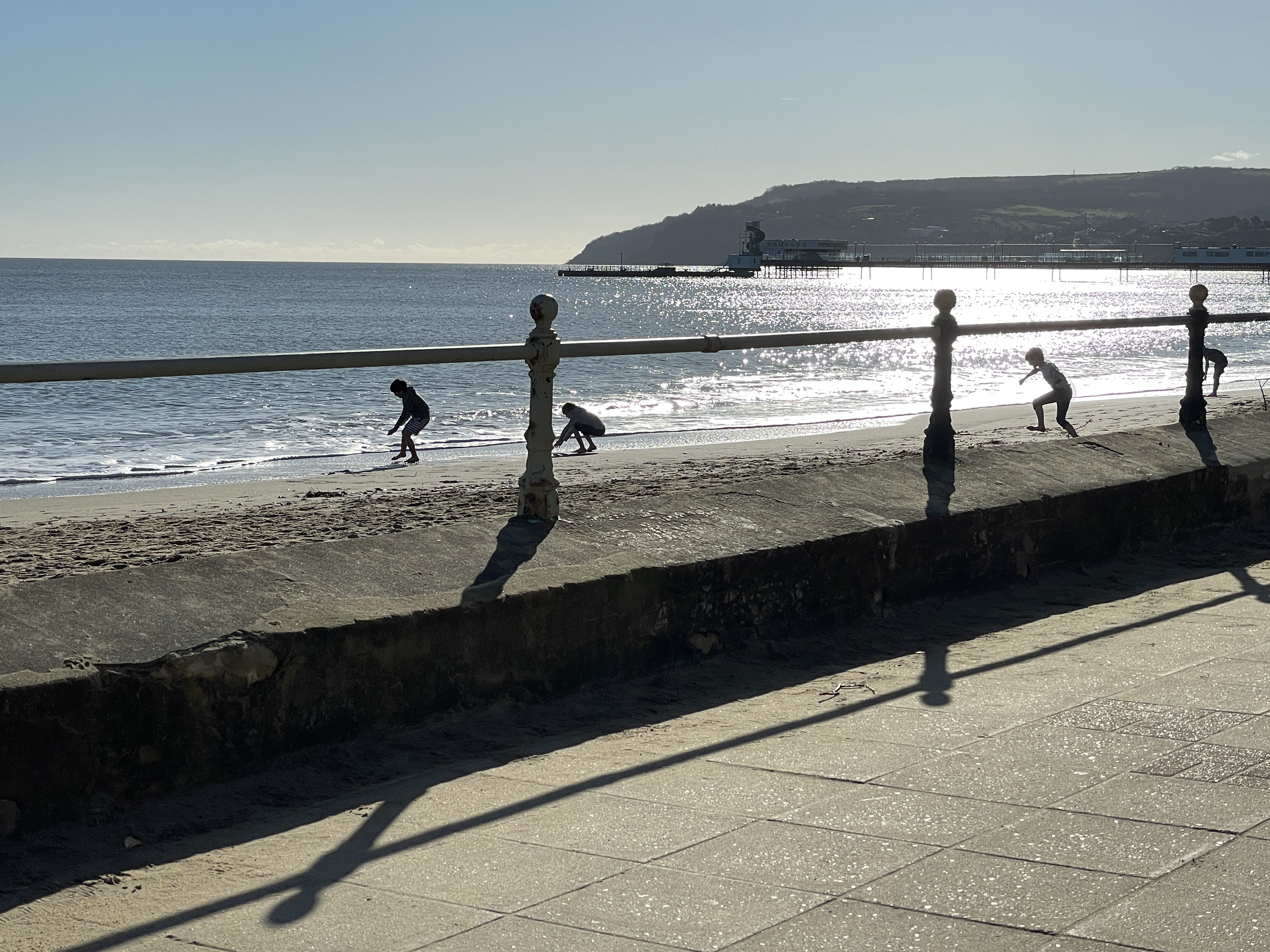
Sandown is a beautiful seaside town just about five miles from where I live in Bembridge . The sand is great and clean and you can walk for miles and the views are amazing . In the distance you can see Culver down with its monument easy to see.
Sandown has a pier that opened in 1875 and is 260 metres long . Today it holds an amusement arcade , indoor ten pin bowling and a children’s play area it is open all the year round but the end of the pier is open from April.
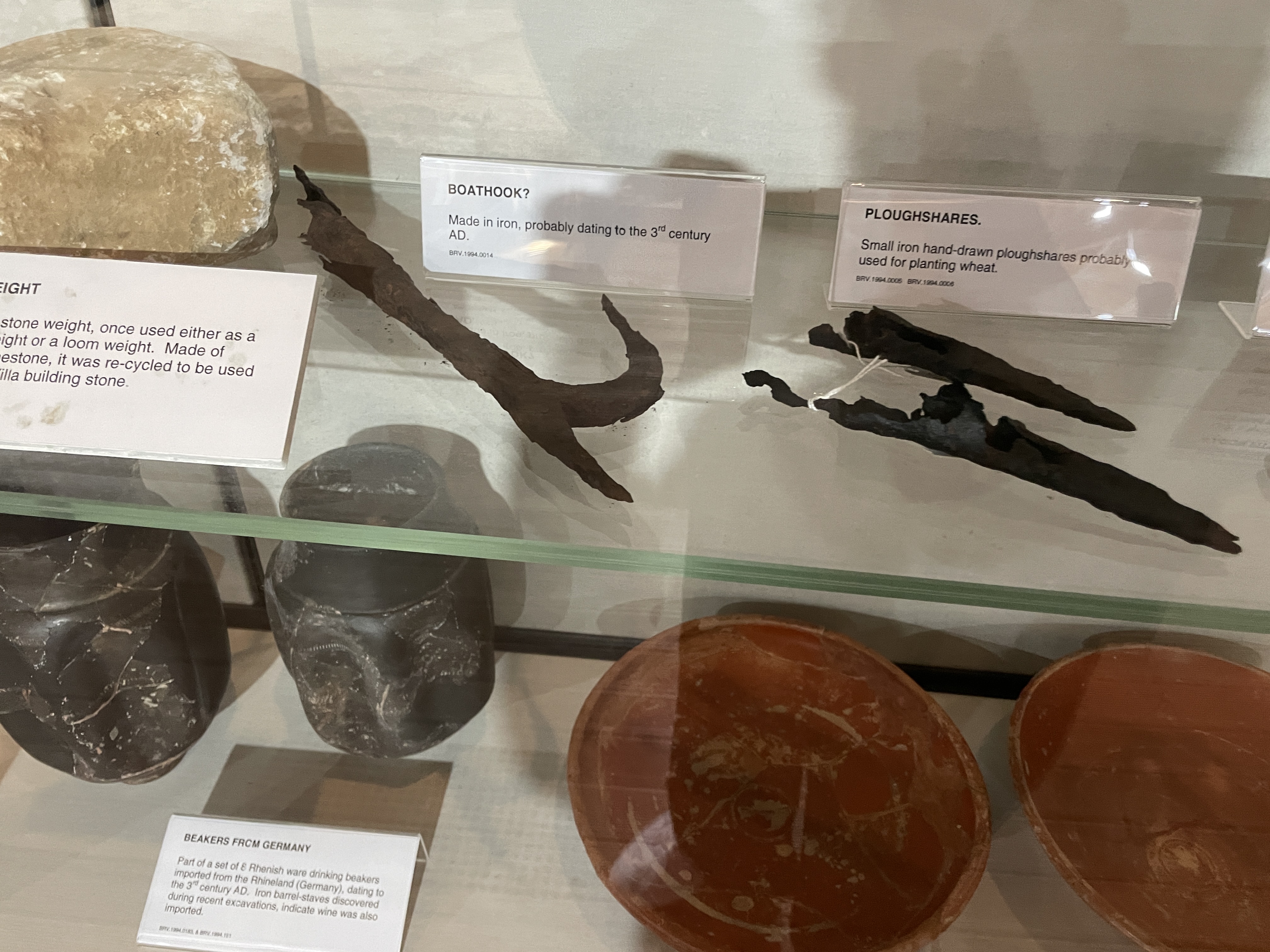
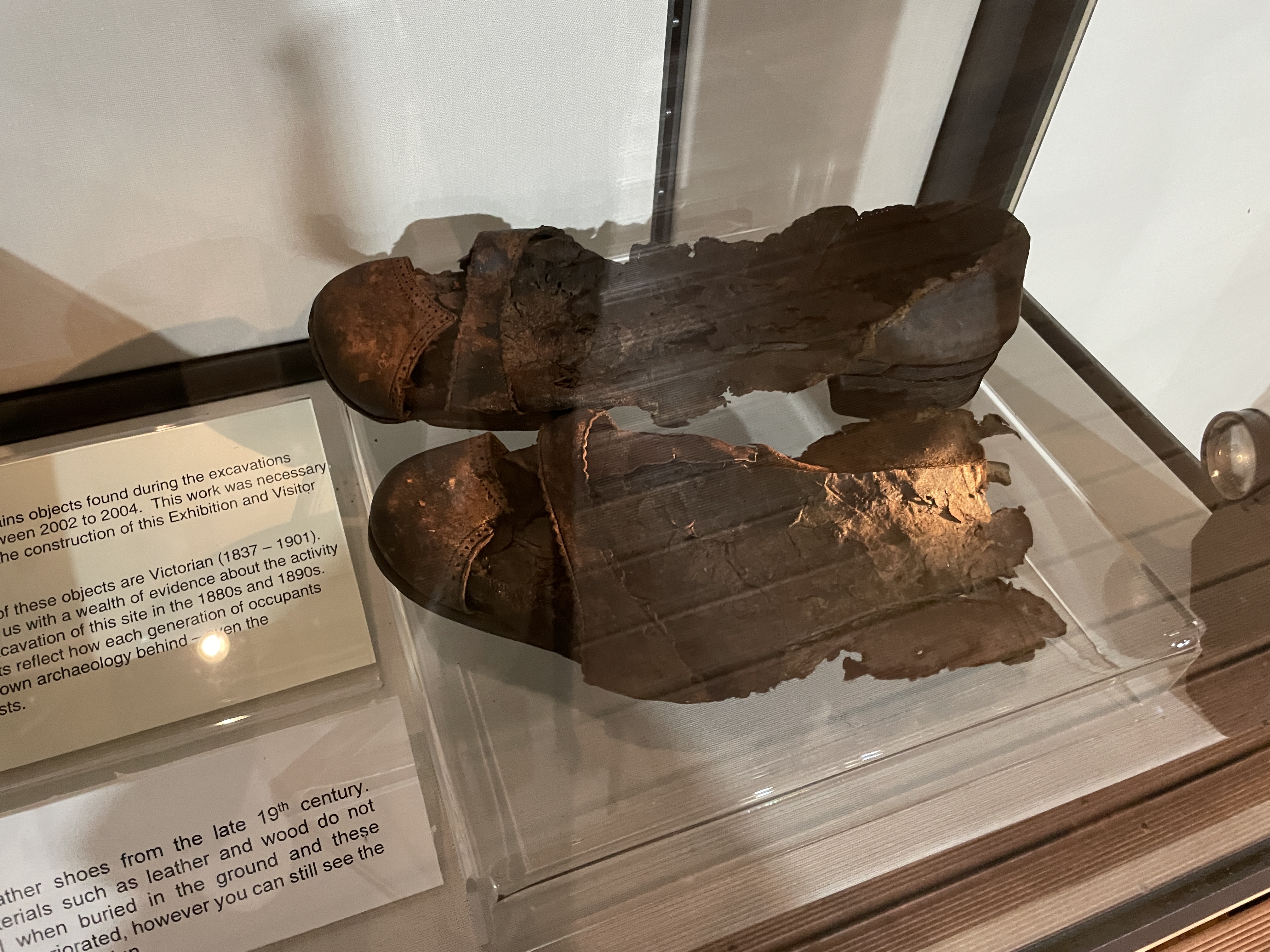
Sandown nearest neighbours are Shanklin with its wonderful thatched roofed houses and cottages and a theatre which is over 100 years old and in regular use for shows and plays . also a beautiful beach and a great walk along the beach back to Sandown about a mile ..A few miles away is the Roman villa and museum at nearby Brading . , which is a must to visit .

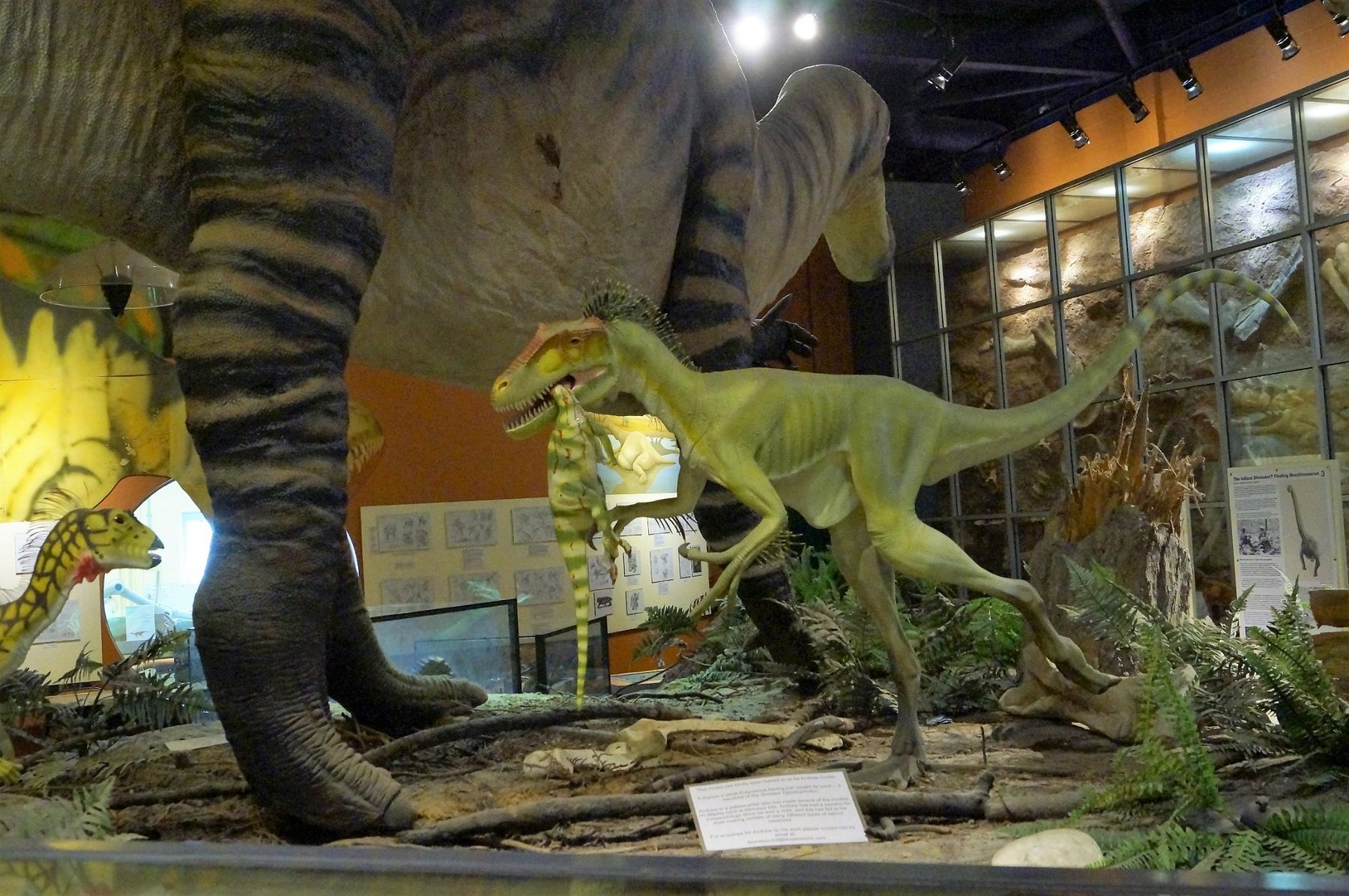
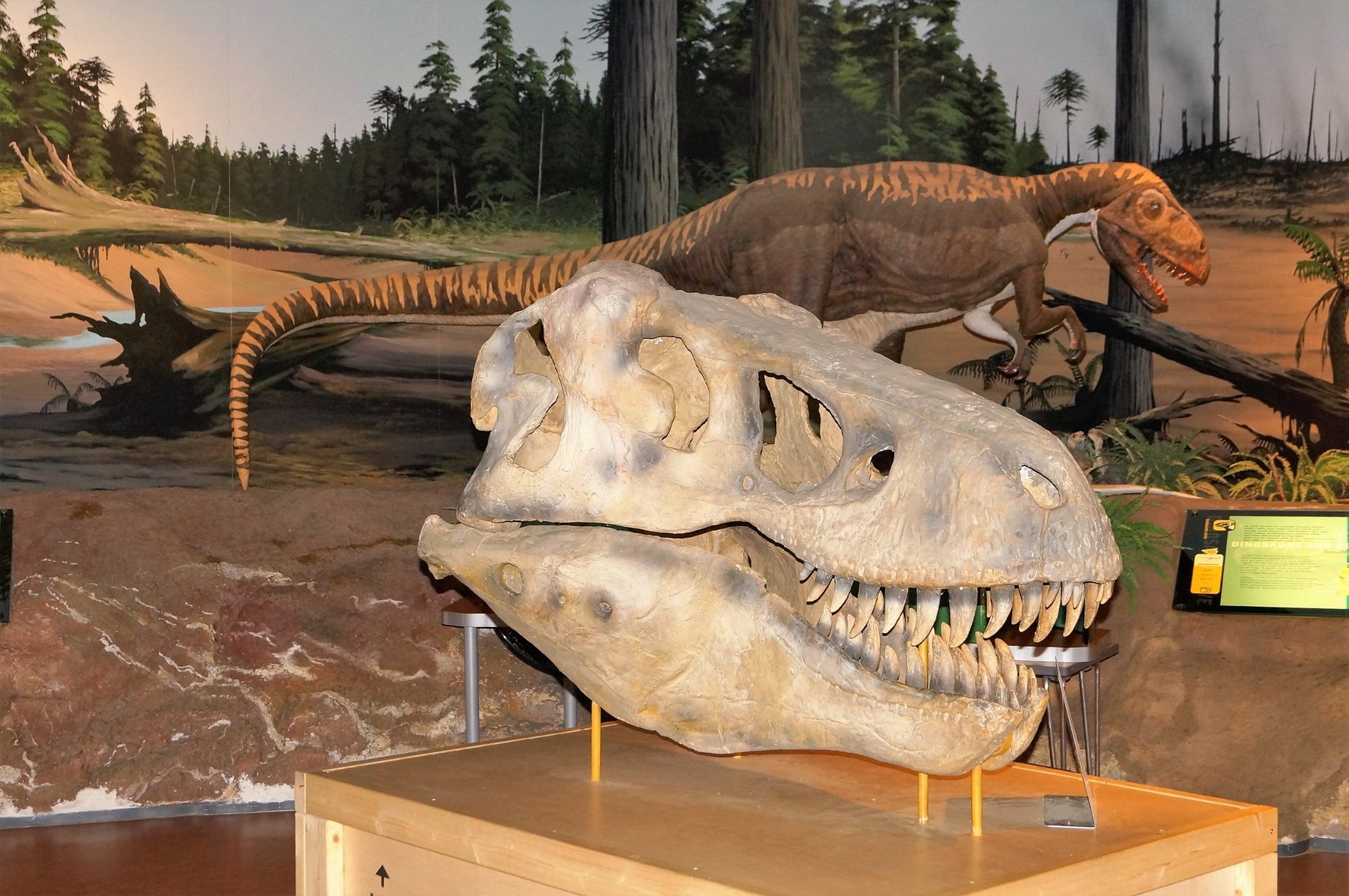
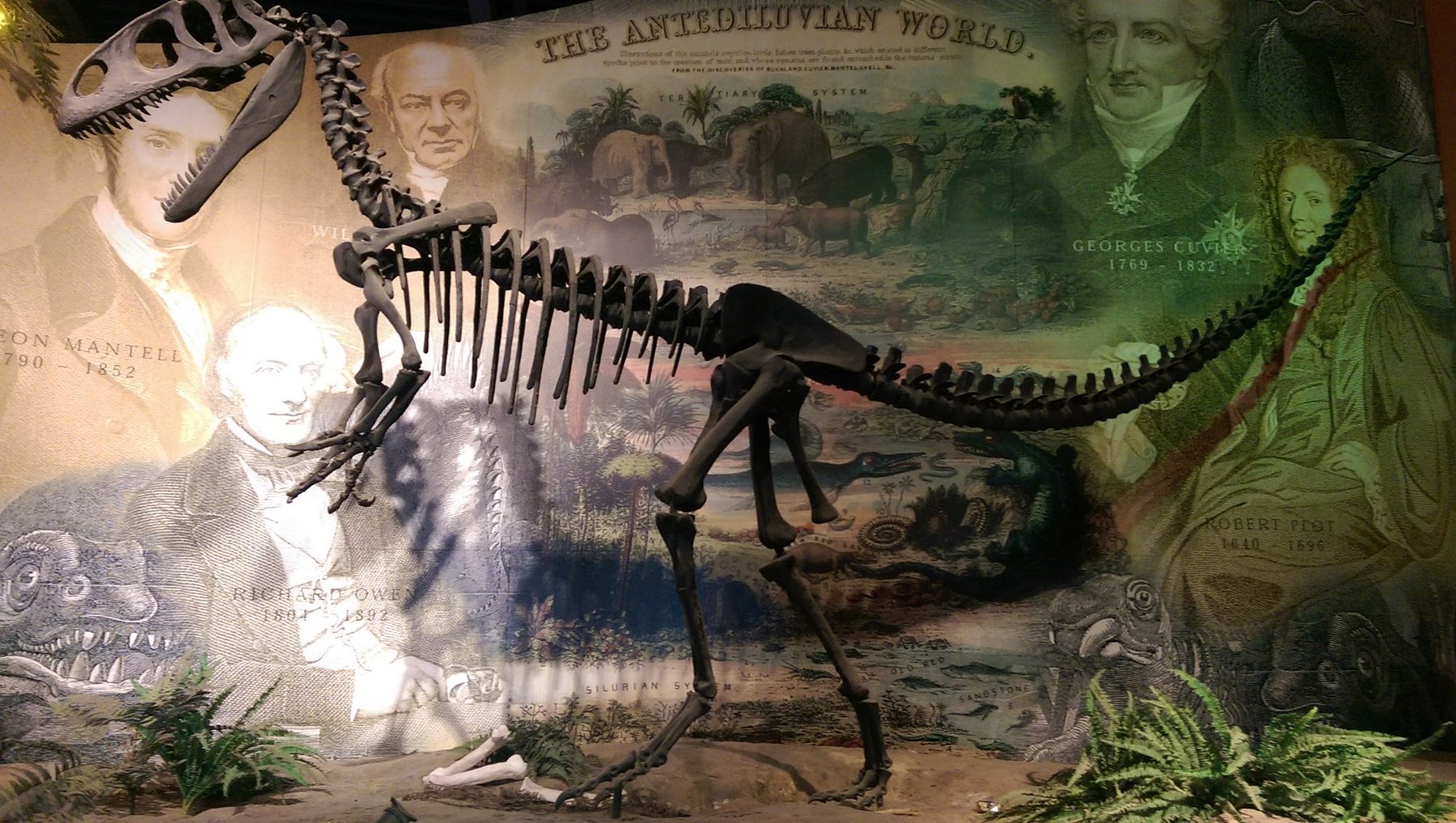
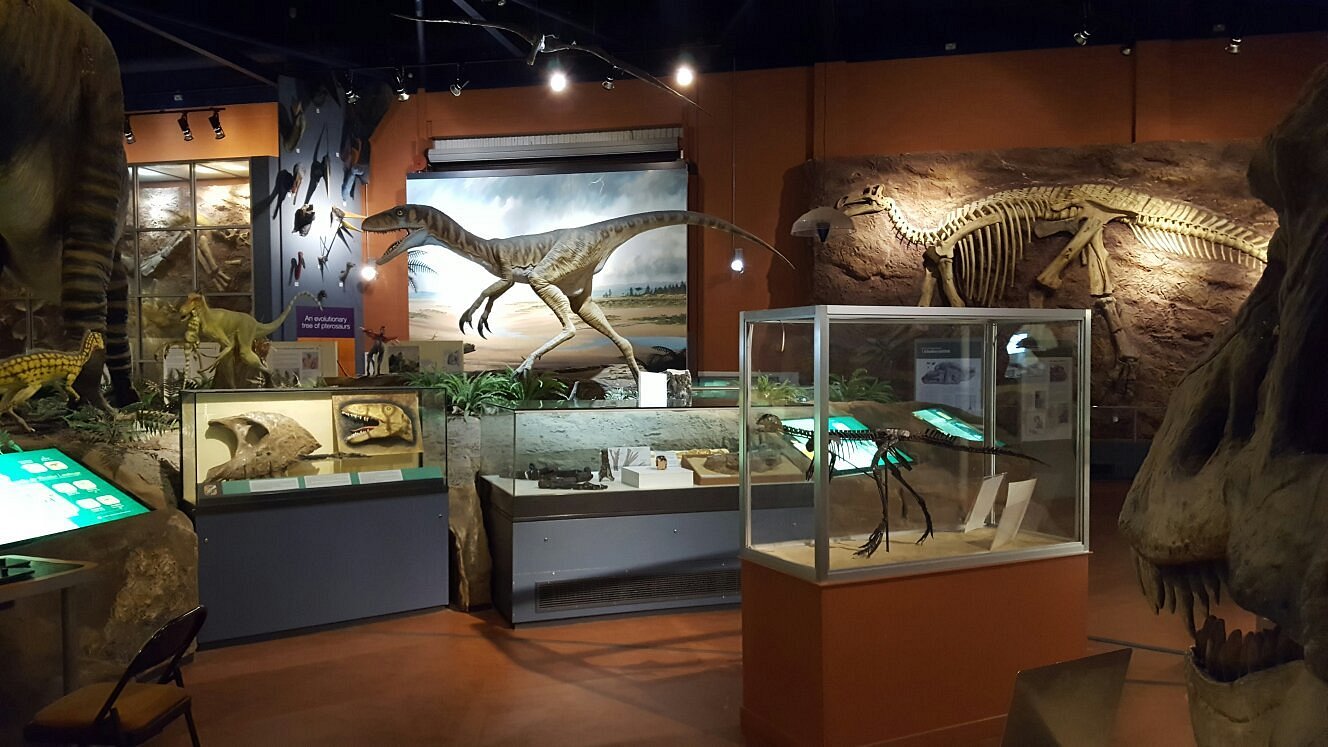
It is the Uk’s first purpose built dinosaur museum , Walk back through fossilised time where you will find wonderful fossils found on the island. You will also find life-sized dinosaur including Neovenator.. Guided fossil hunts ( which must be booked ) are also available.

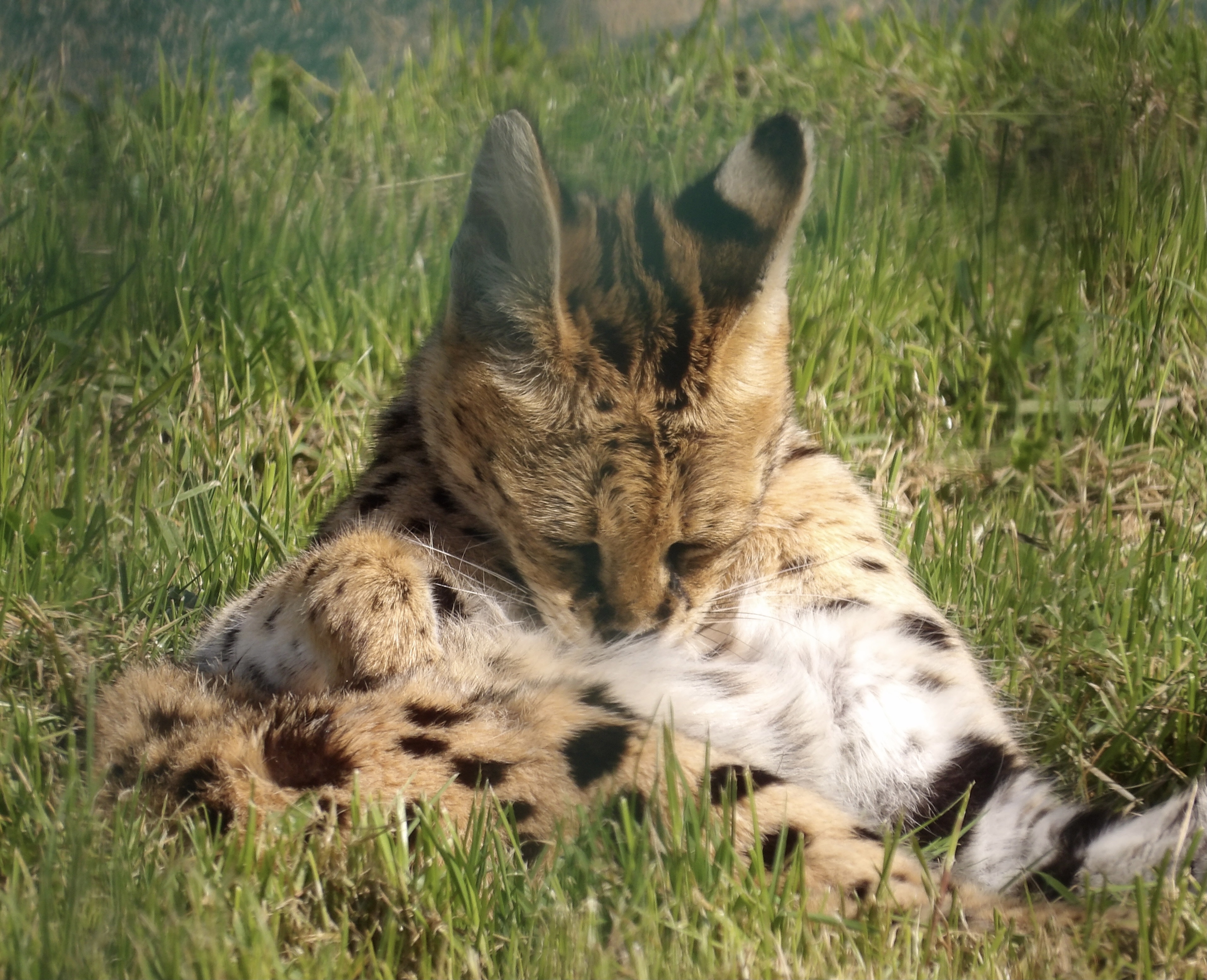
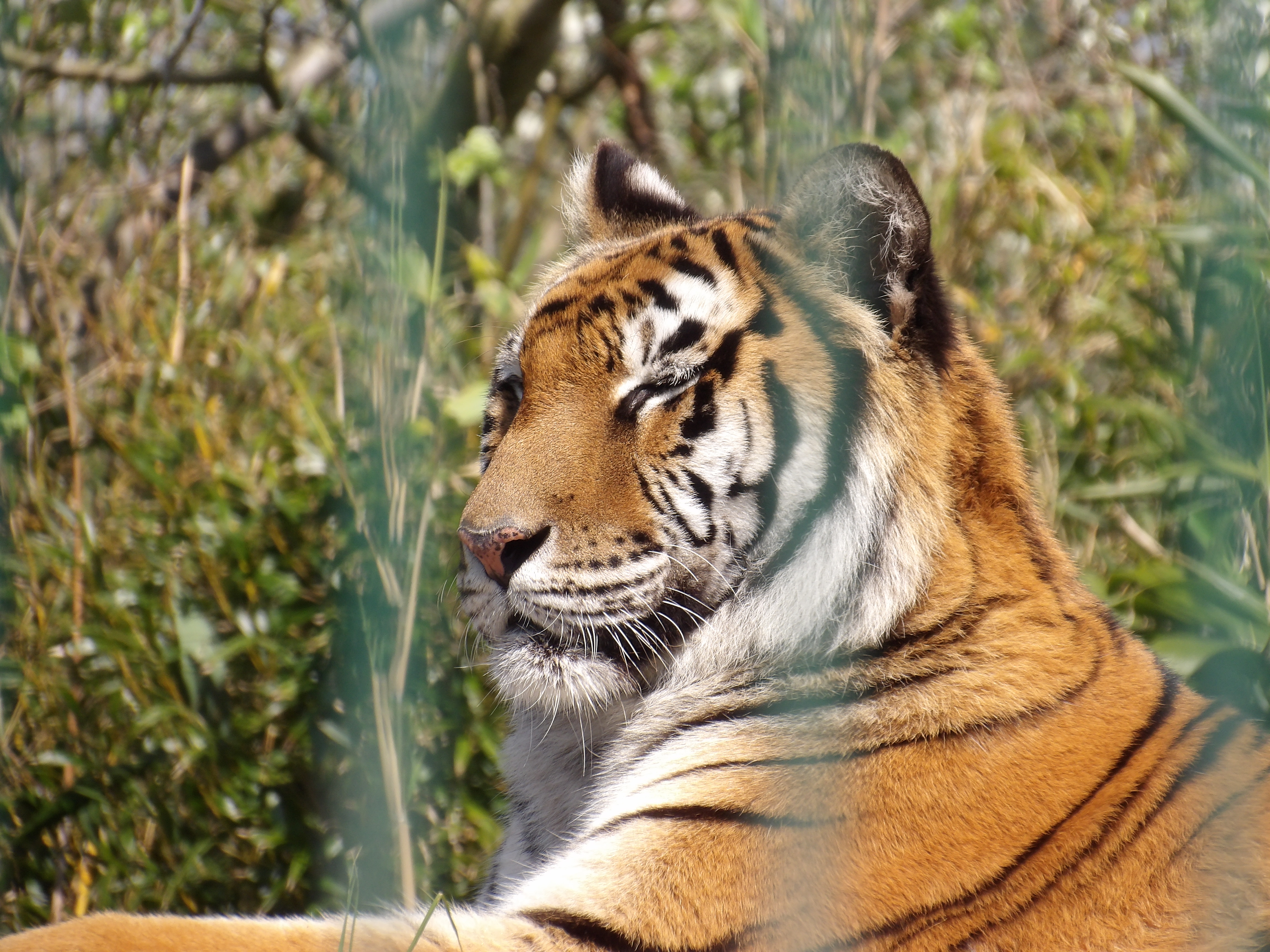
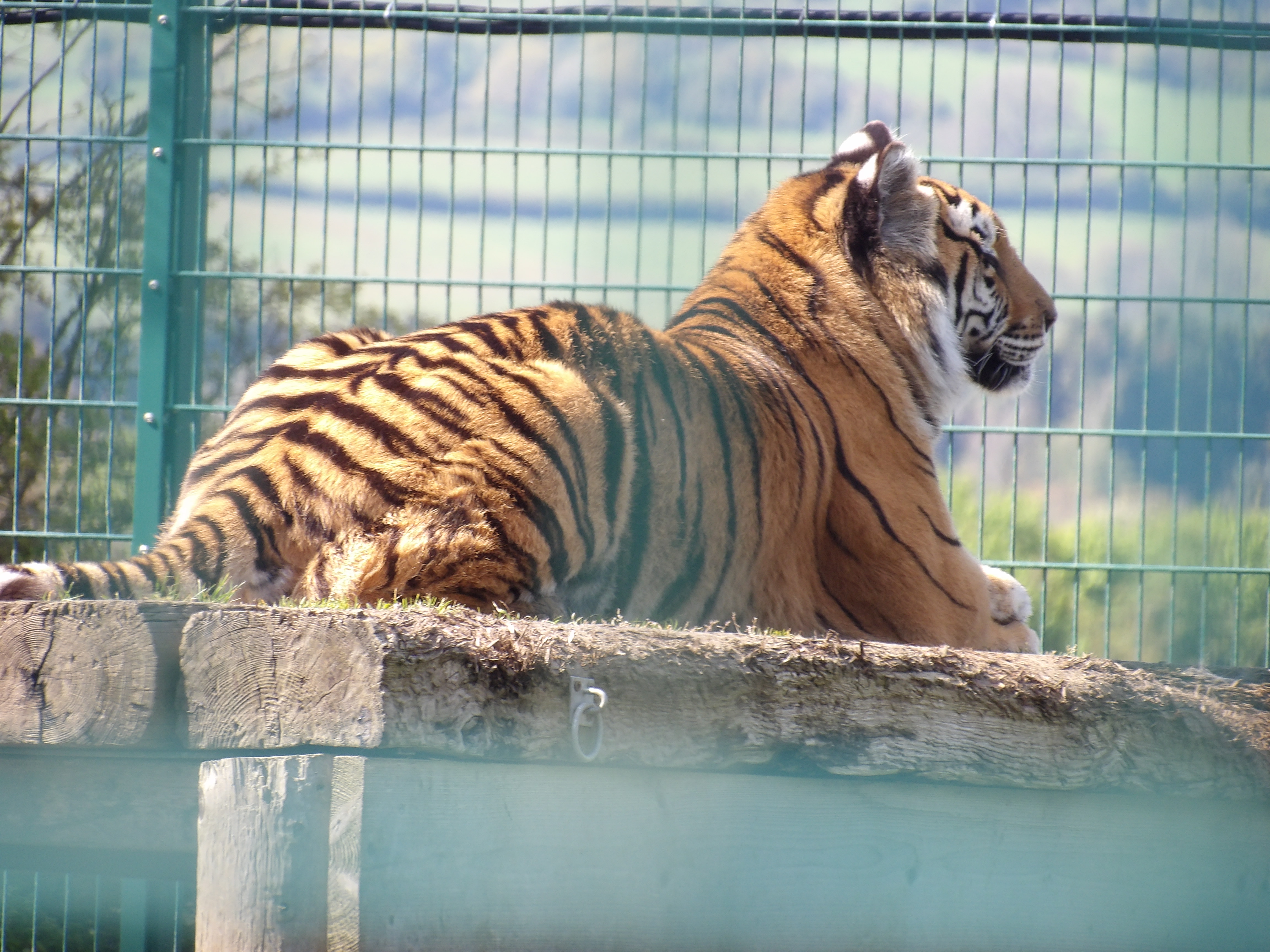
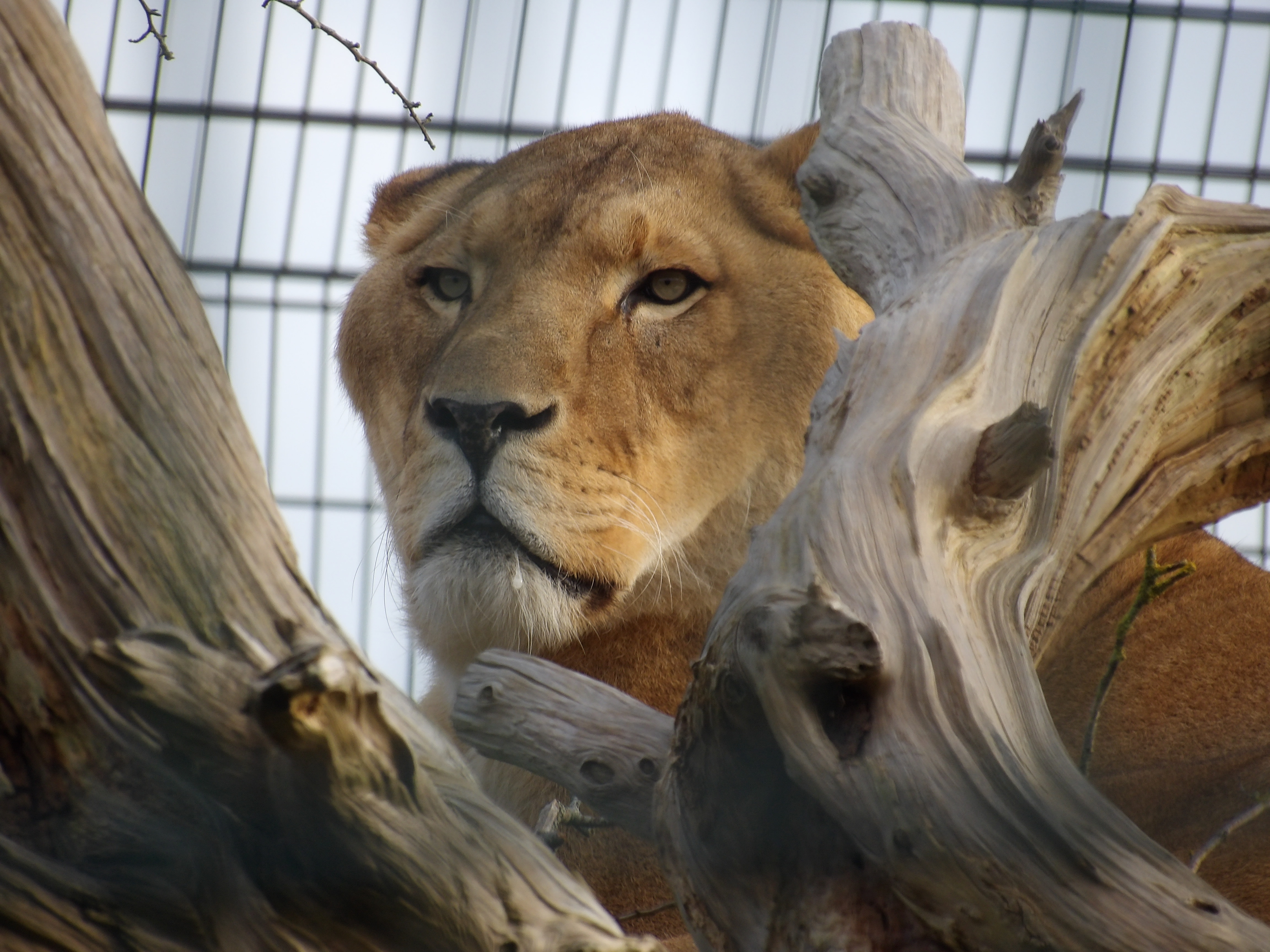
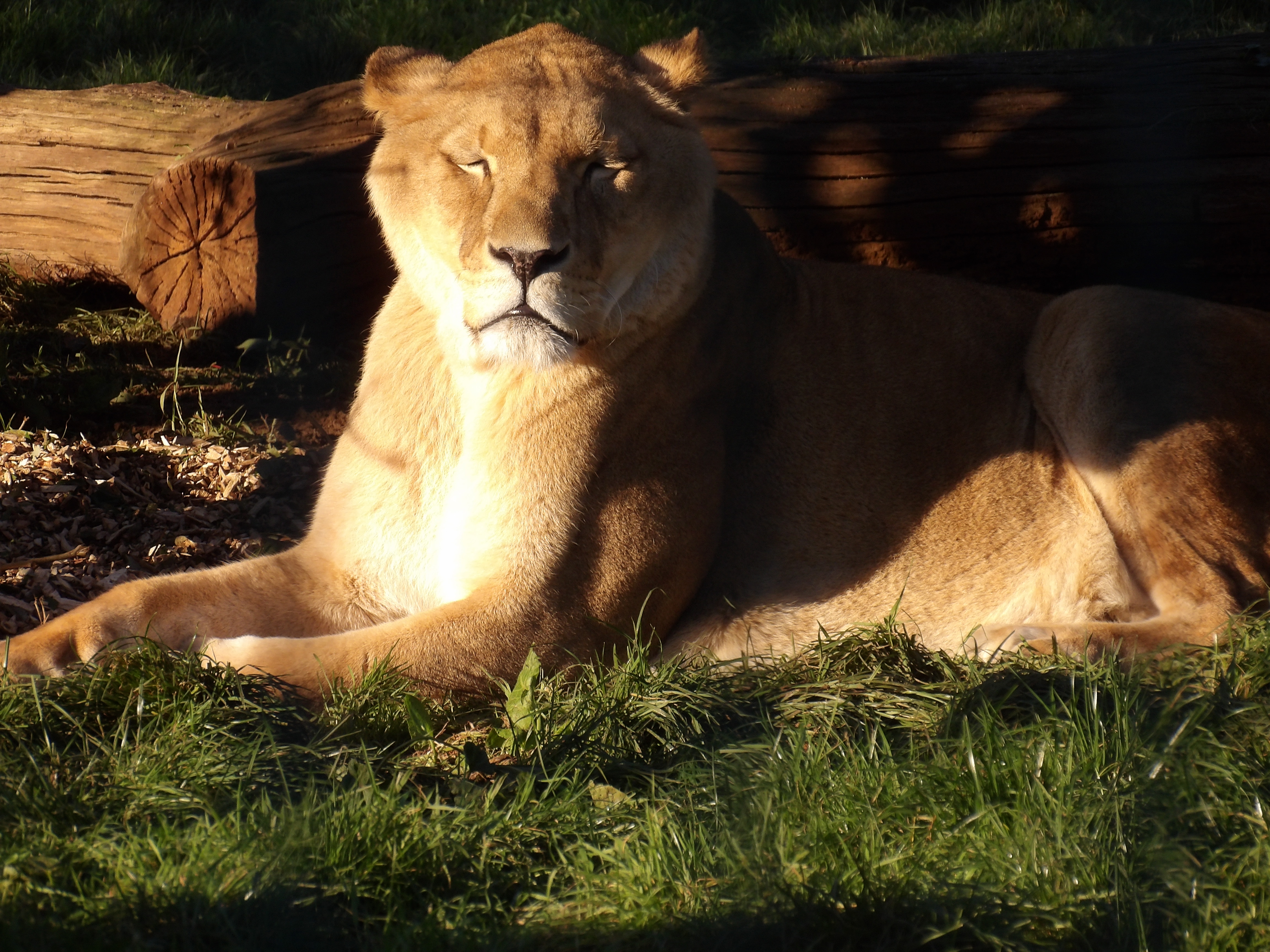
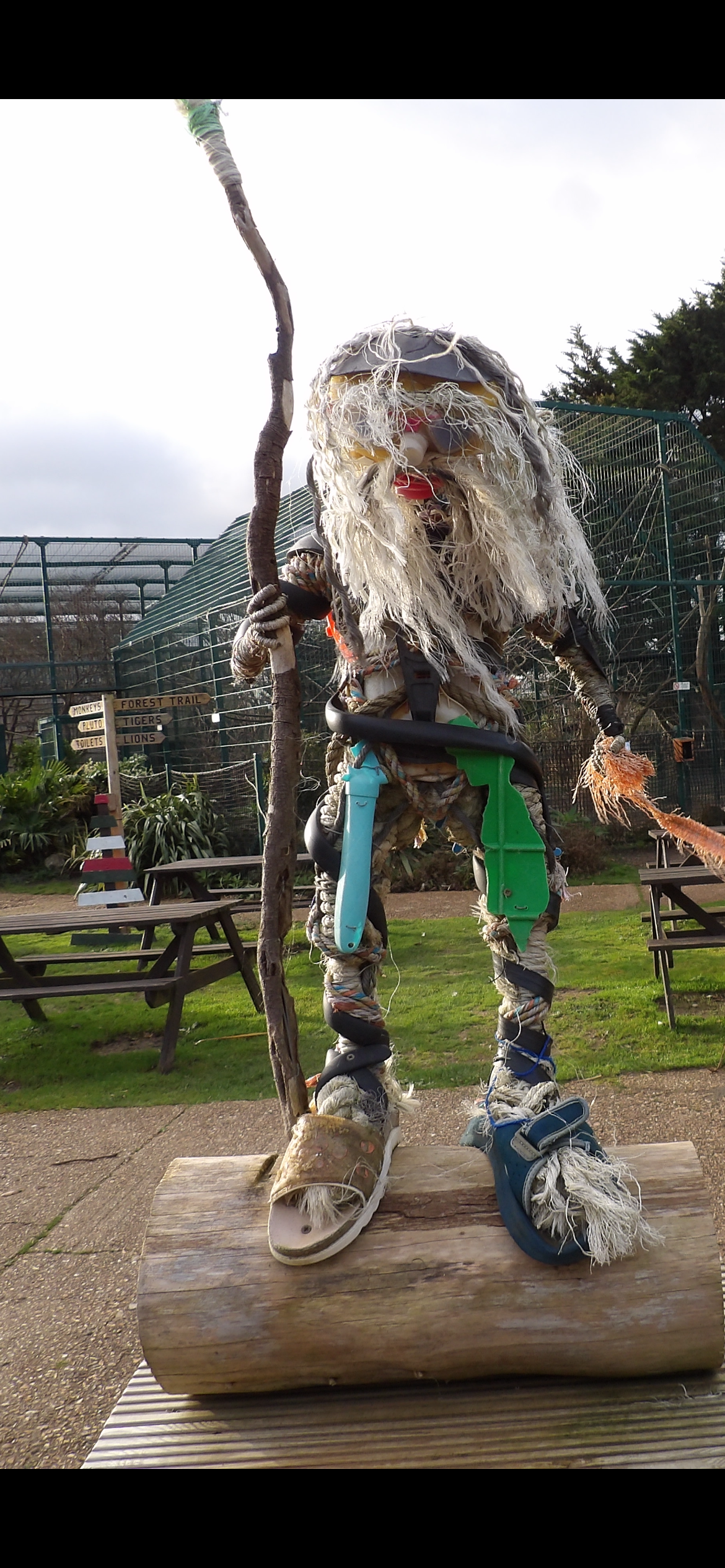
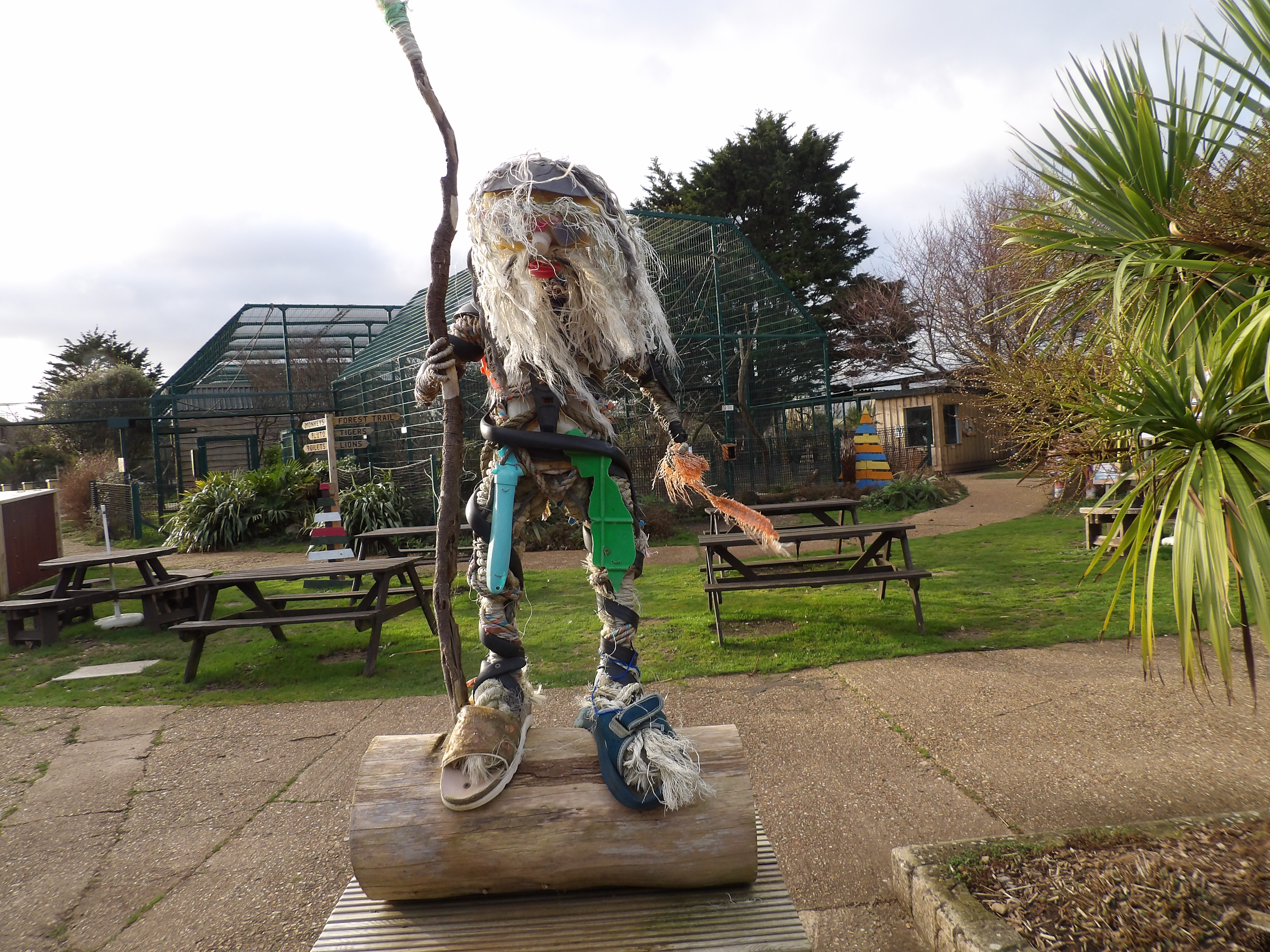
The Wildheart trust is in Sandown next to the Dinosaur museum ,it is a registered charity which is dedicated to saving endangered species and animals especially lions and tigers that have been ill treated in circuses and zoos across the world .

Visit the Wildlife sanctuary and see for yourself the difference they are making to the lives of the rescued animals .

There is an incredible variety of animals from lemurs and lions to meerkats that they have rescued but at the same time hope to raise peoples awareness of our planet and the animals we share it with .

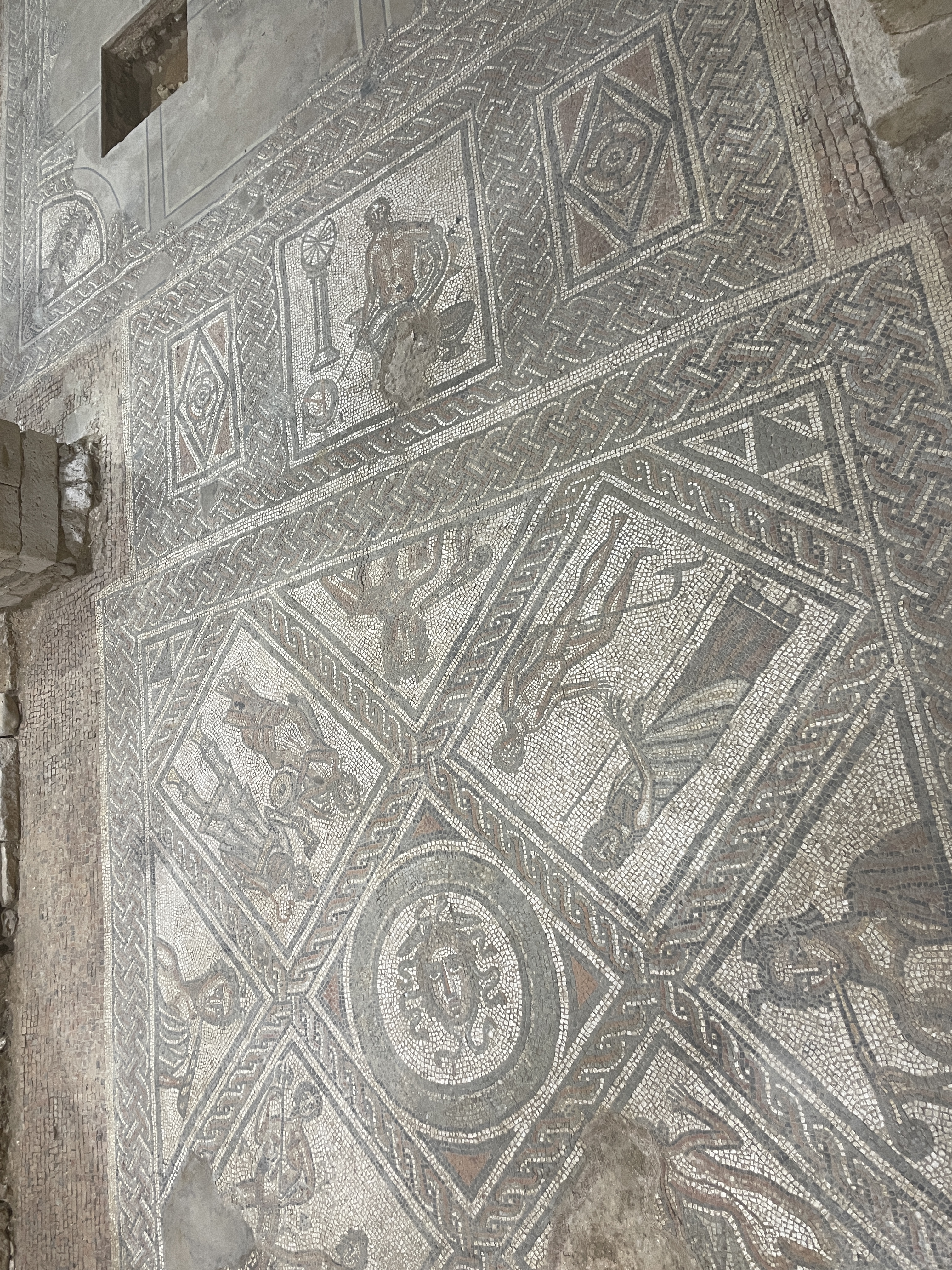
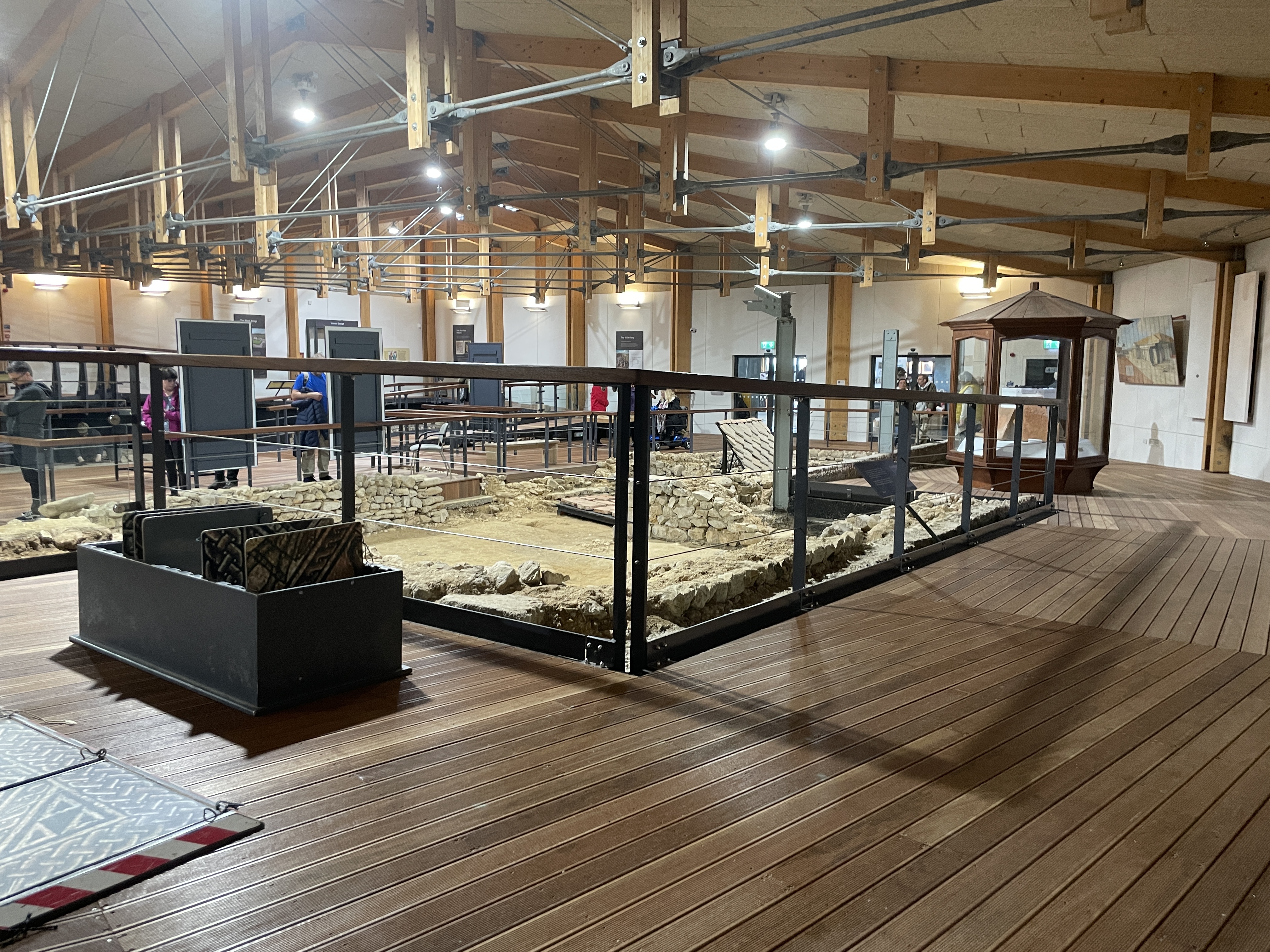
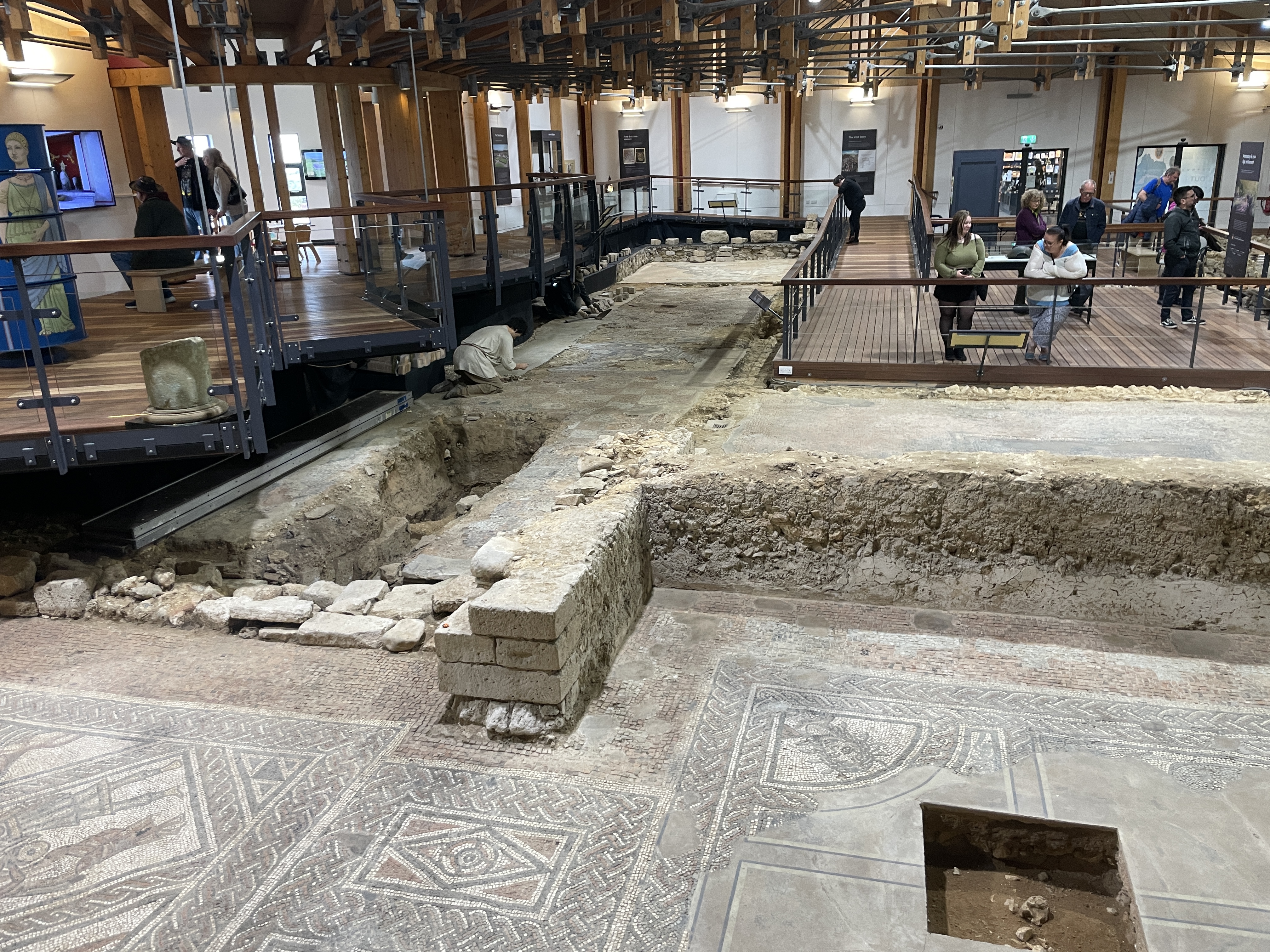
The Roman villa is situated overlooking Sandown , the Roman villa is one of the finest Roman sites in the UK. The award winning visitor centre and museum offer unique insight into Roman life in Britain from beautiful mosaic floors an extensive collection of Roman archaeology.

www.bradingromanvilla.org.uk

Wildlife from my window.

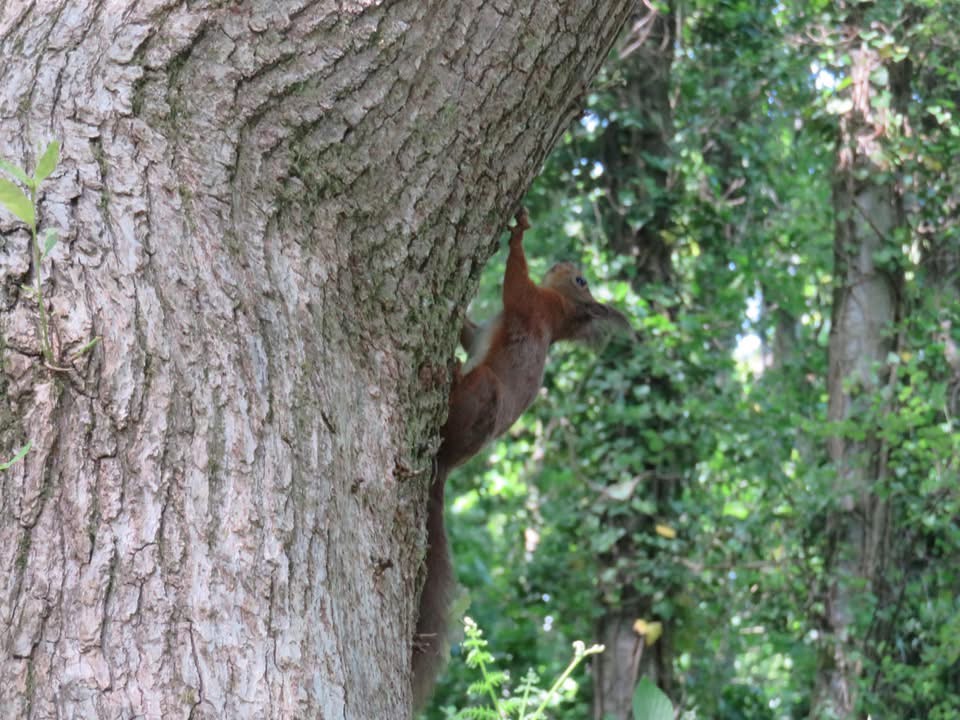
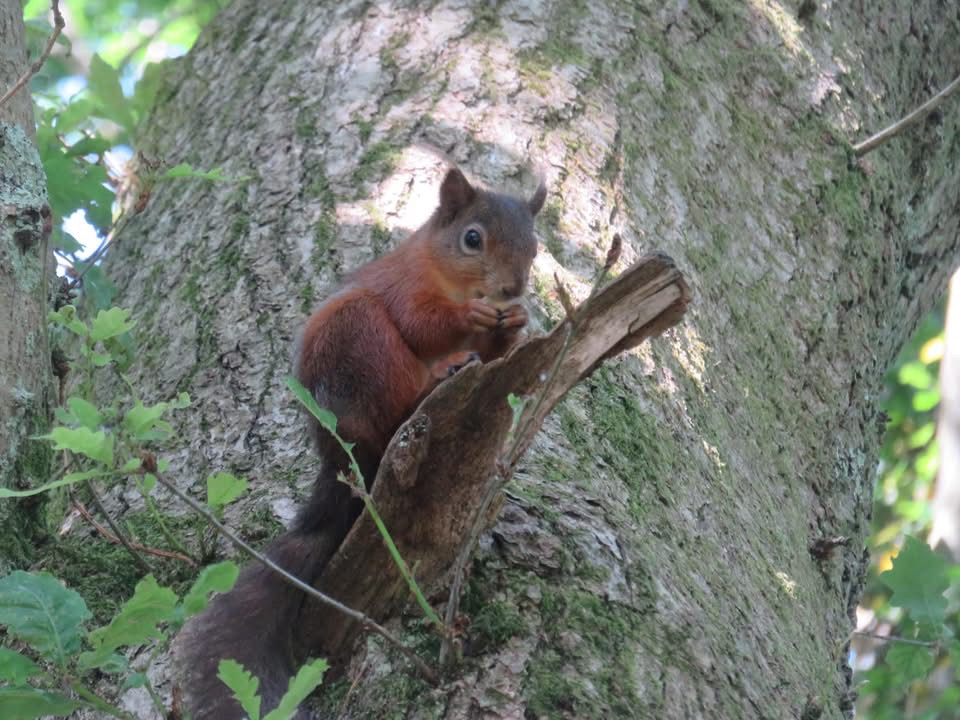
Living by the coast and walking along the beach there is no shortage of wonderful sightings of wildlife , but some of the best is from my window .

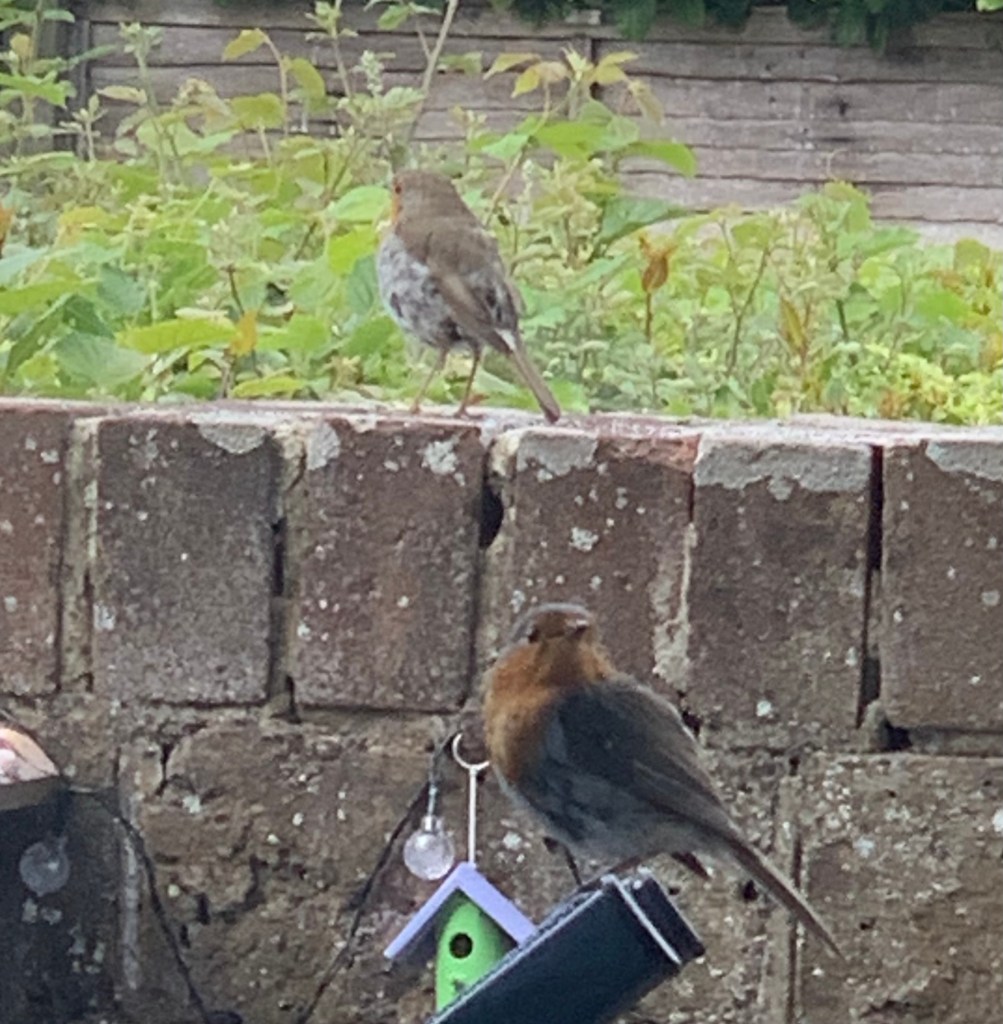
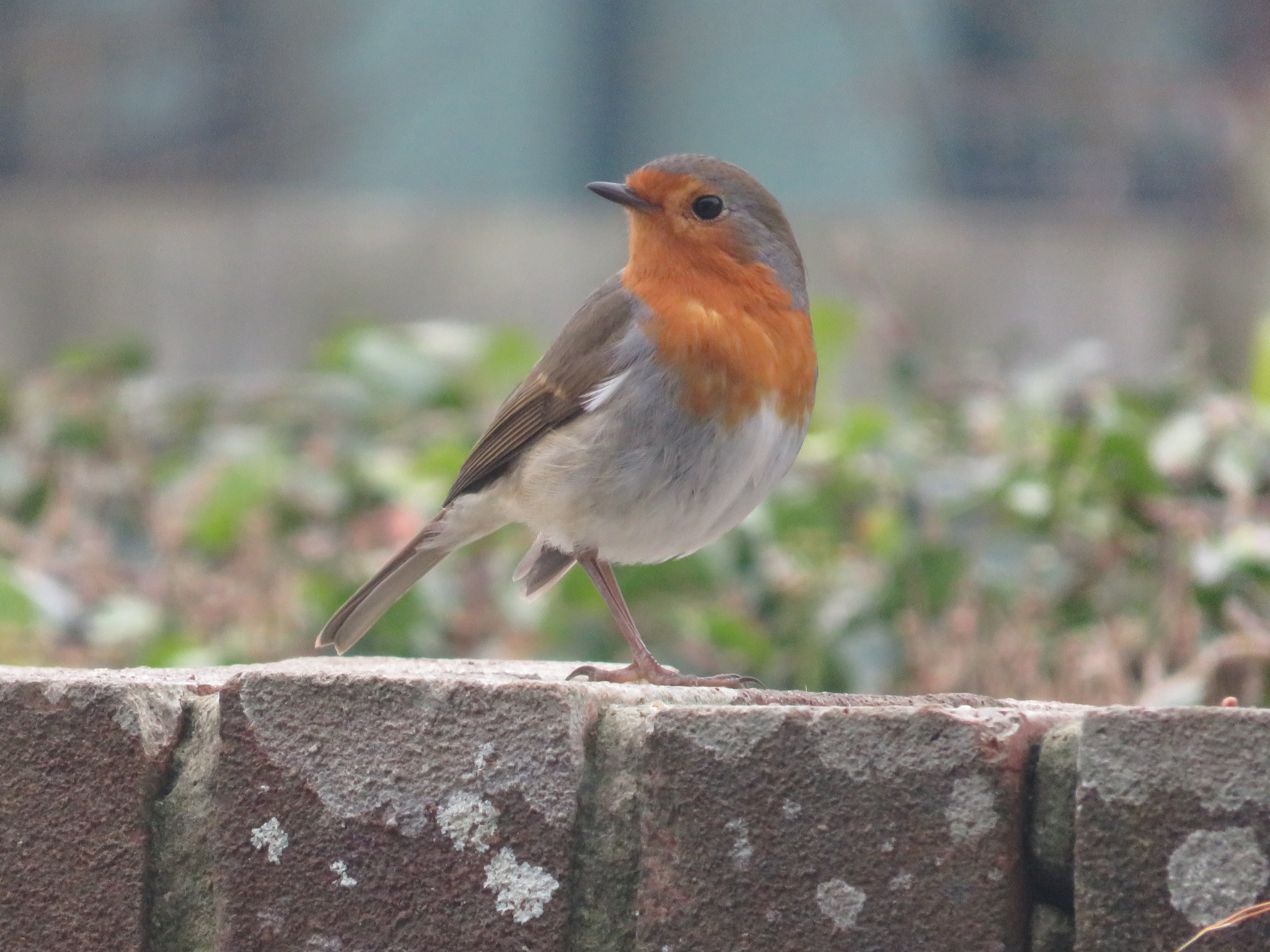
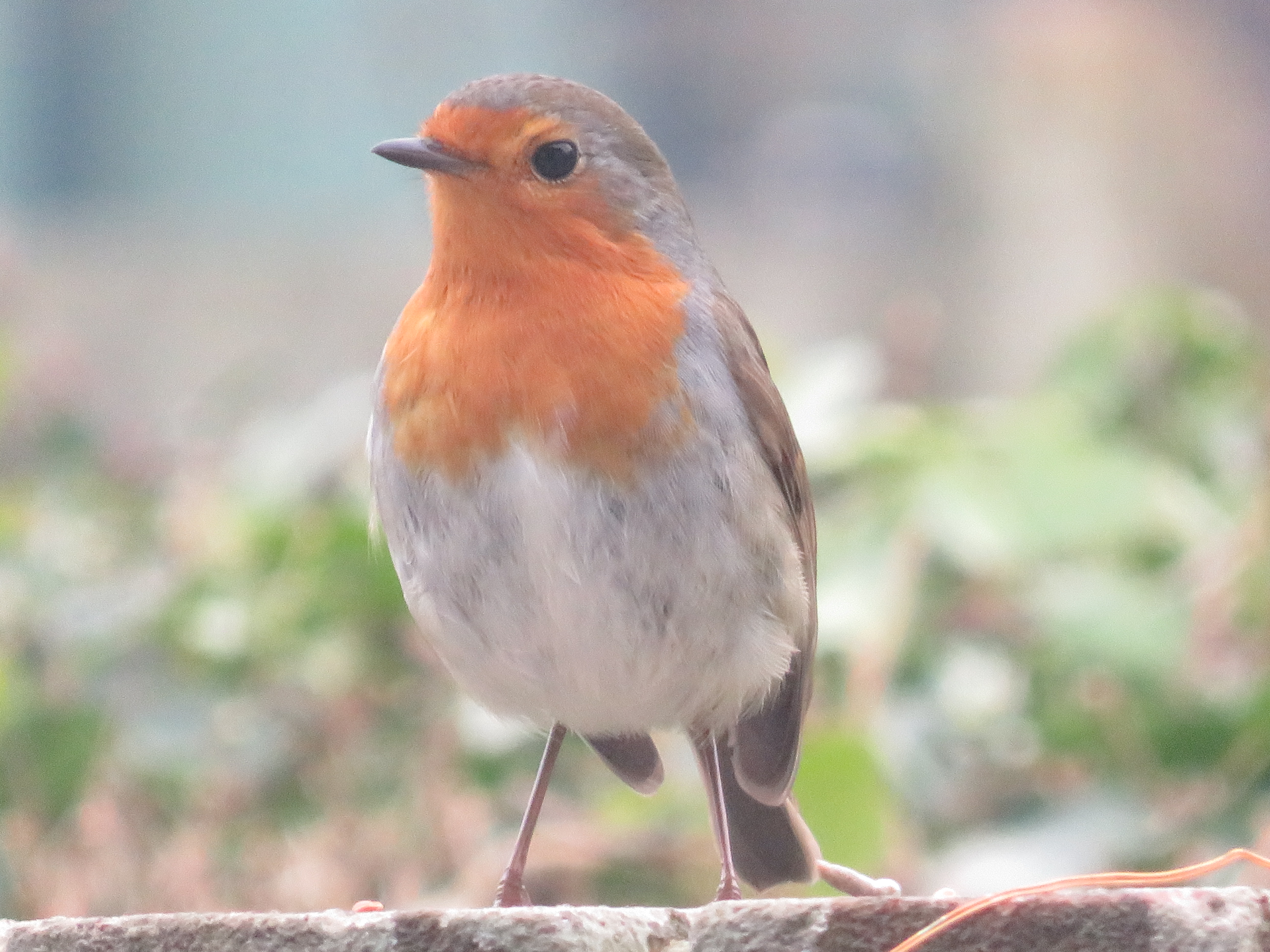
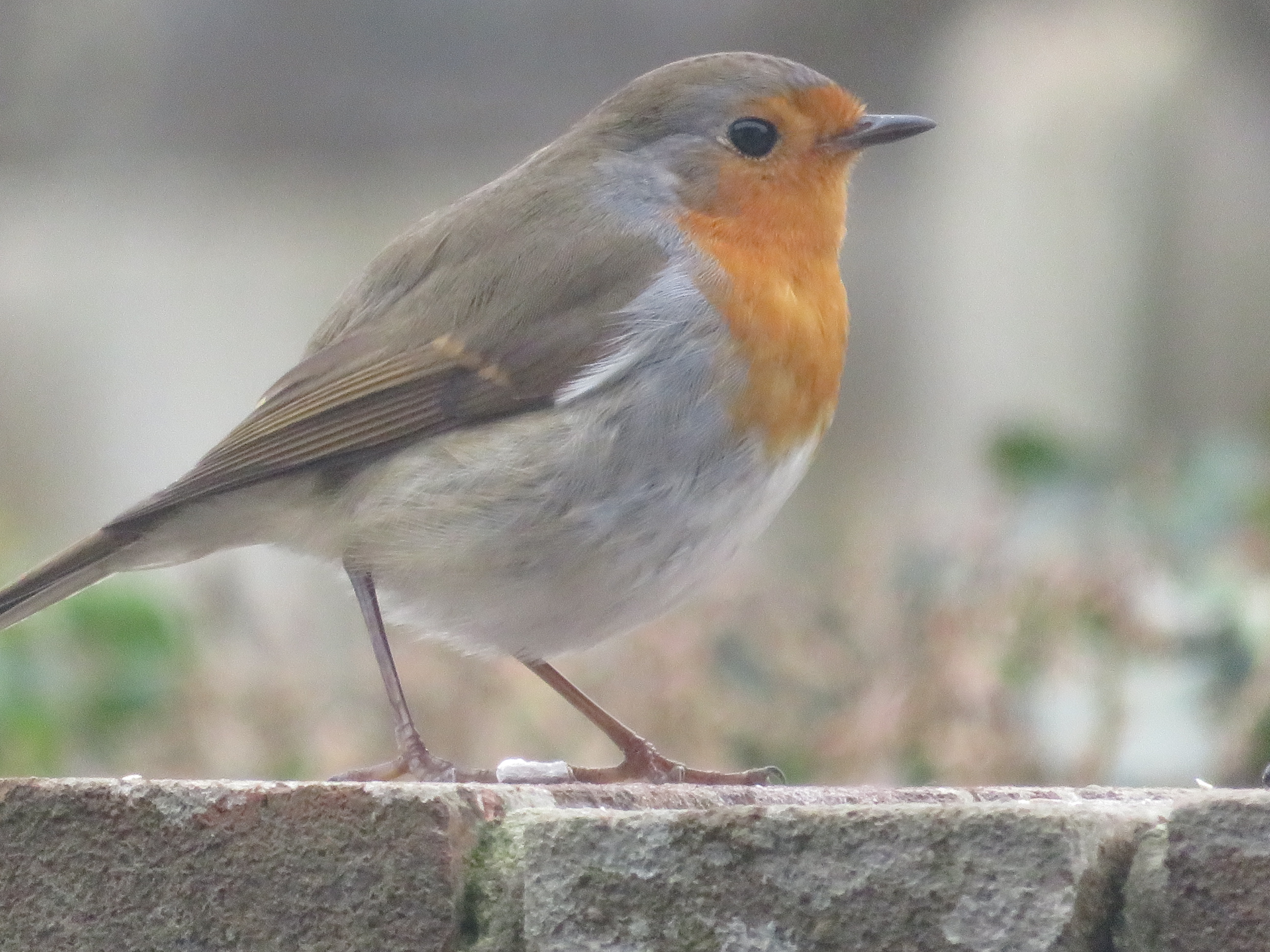
The Robin known simply as the robin or robin redbreast in the British isles is a small bird which belongs to the flycatcher family .

it is 4-5.5 inches long and the male and female are identical in plumage , with a red breast and a face lined with grey and a whitish belly. They can become very tame and often won’t move if you are close.

Robins lay their eggs between mid April and mid August .They will usually lay five to six eggs a brood and can lay around 20 -25 eggs in a year . Robins’ eggs are white and not glossy with small sandy or red markings which can vary in intensity . The time between mating and laying is very short usually just a few days and they sit on the nest 12 -14 days . The young are freckled brown all over and without the red breast

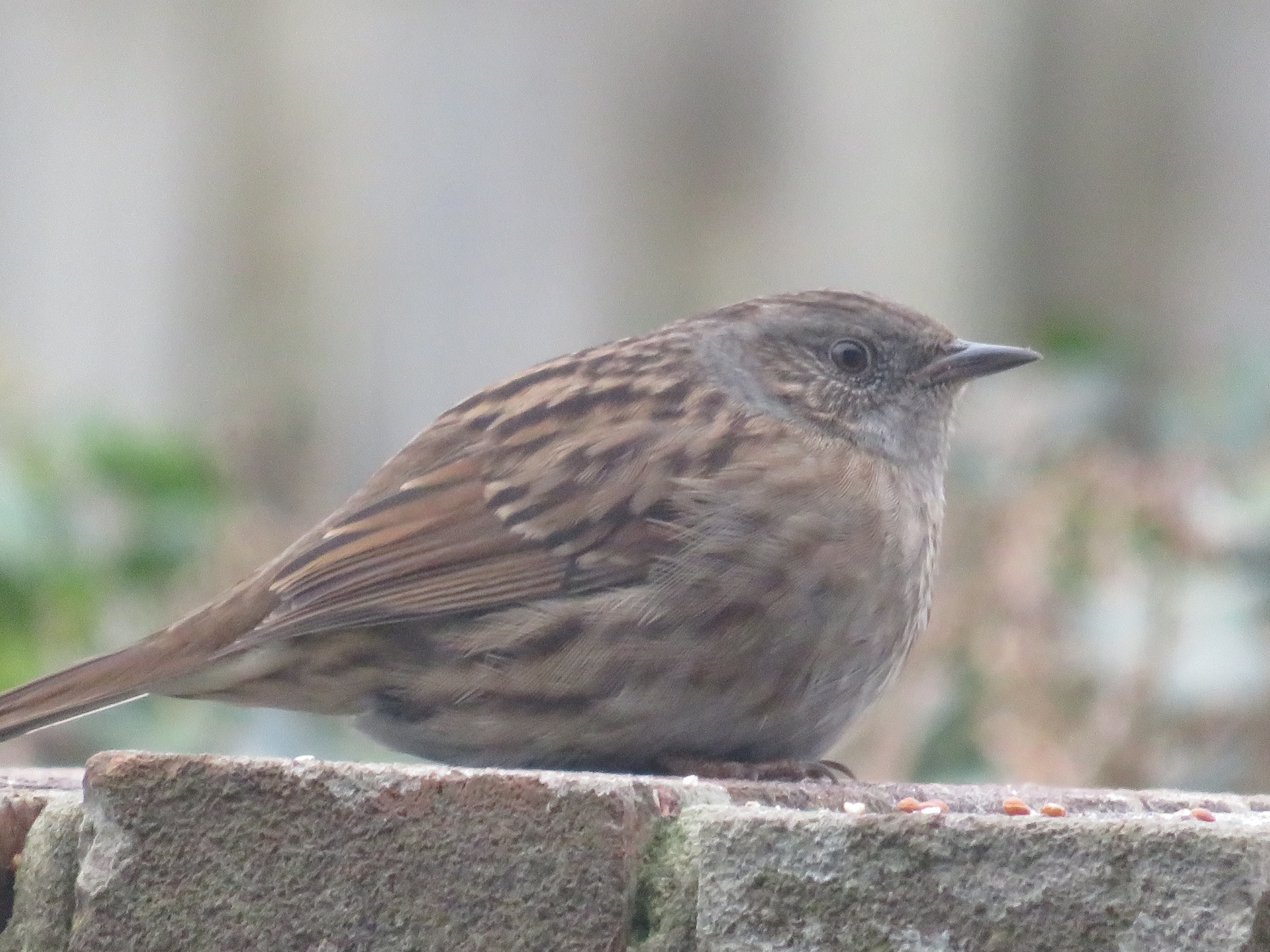
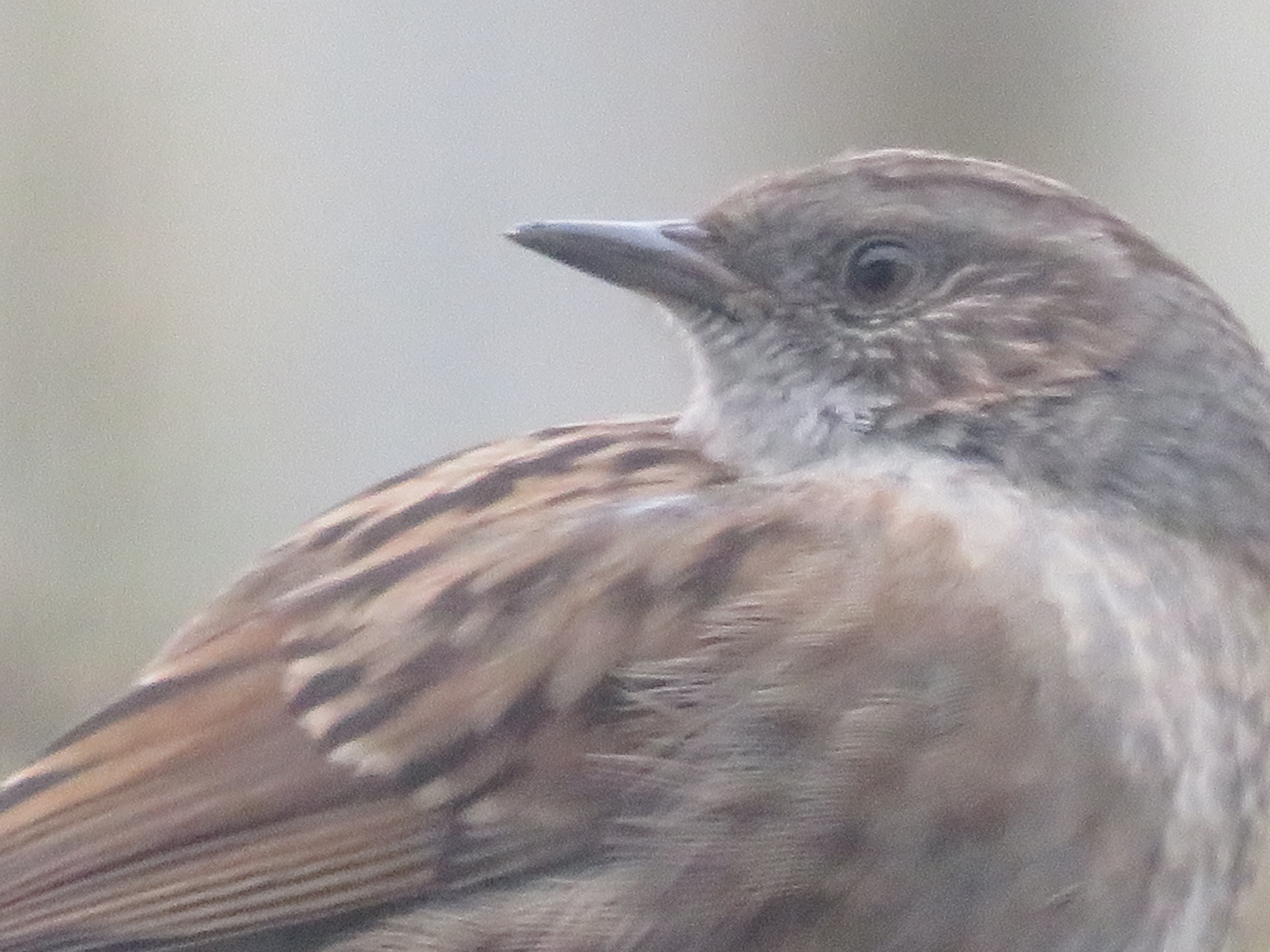
The Dunnock is a lovely little bird which usually is not afraid of bigger birds when on my wall ,it will take tiny bit of food that over birds don’t want.

It is a robin sized bird and measures about 5 inches in length .It has a brown back streaked blackish, similar to a house sparrow. It has a drab appearance which may by camouflage to avoid predators. It has a fine pointed bill.

Dunnocks exhibit frequent wing flicking ,especially when engaged in territory rights or mating rights .

Dunnock eggs are a glossy ,bright blue and about 14 – 19mm in size.They are laid in a cup shaped nest made from twigs ,moss and other plant material. The Dunnock lays 4 -5 eggs usually blue but often white . The female incubates the young for about twelve days although both sexes tend the young .

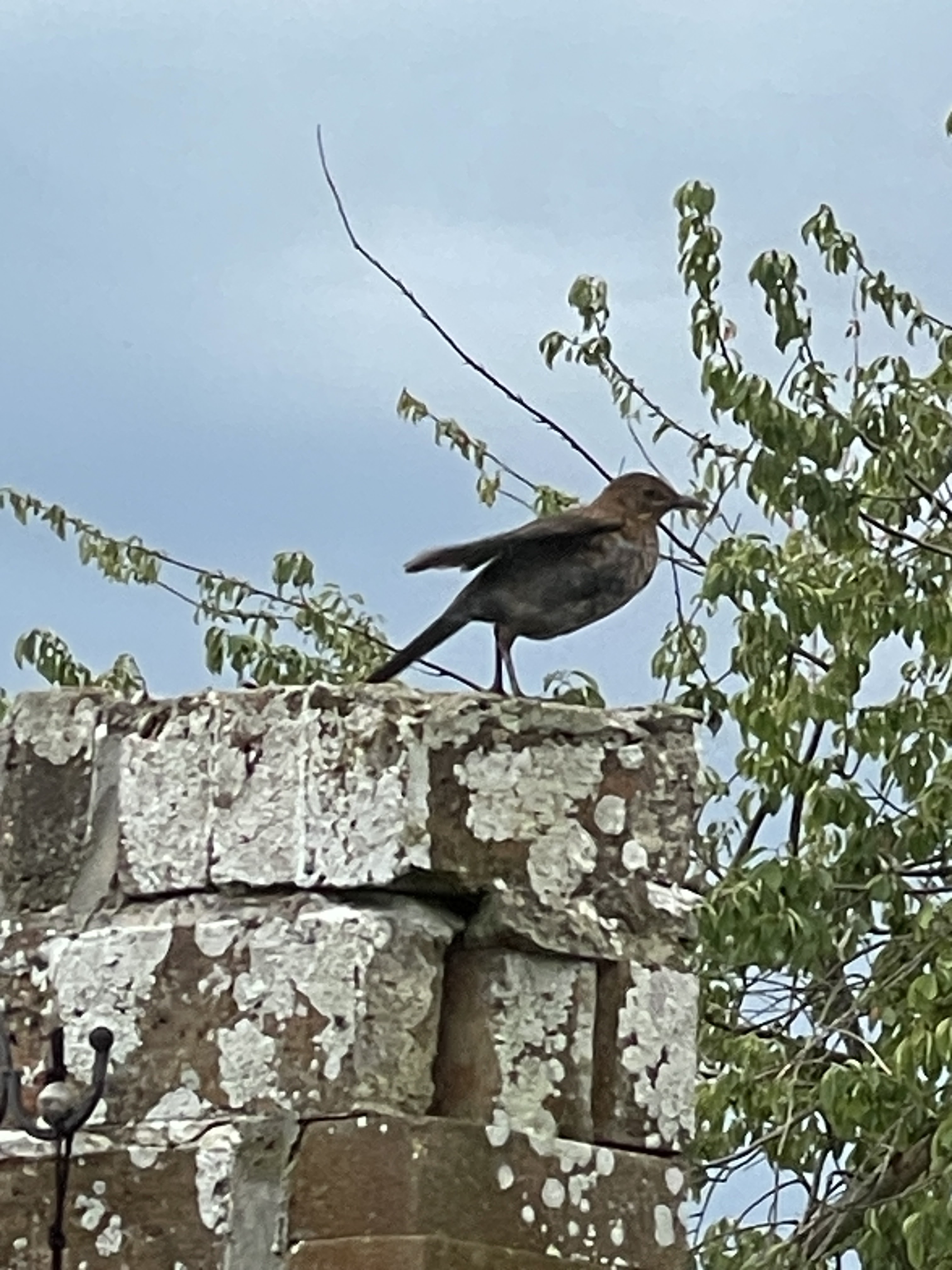
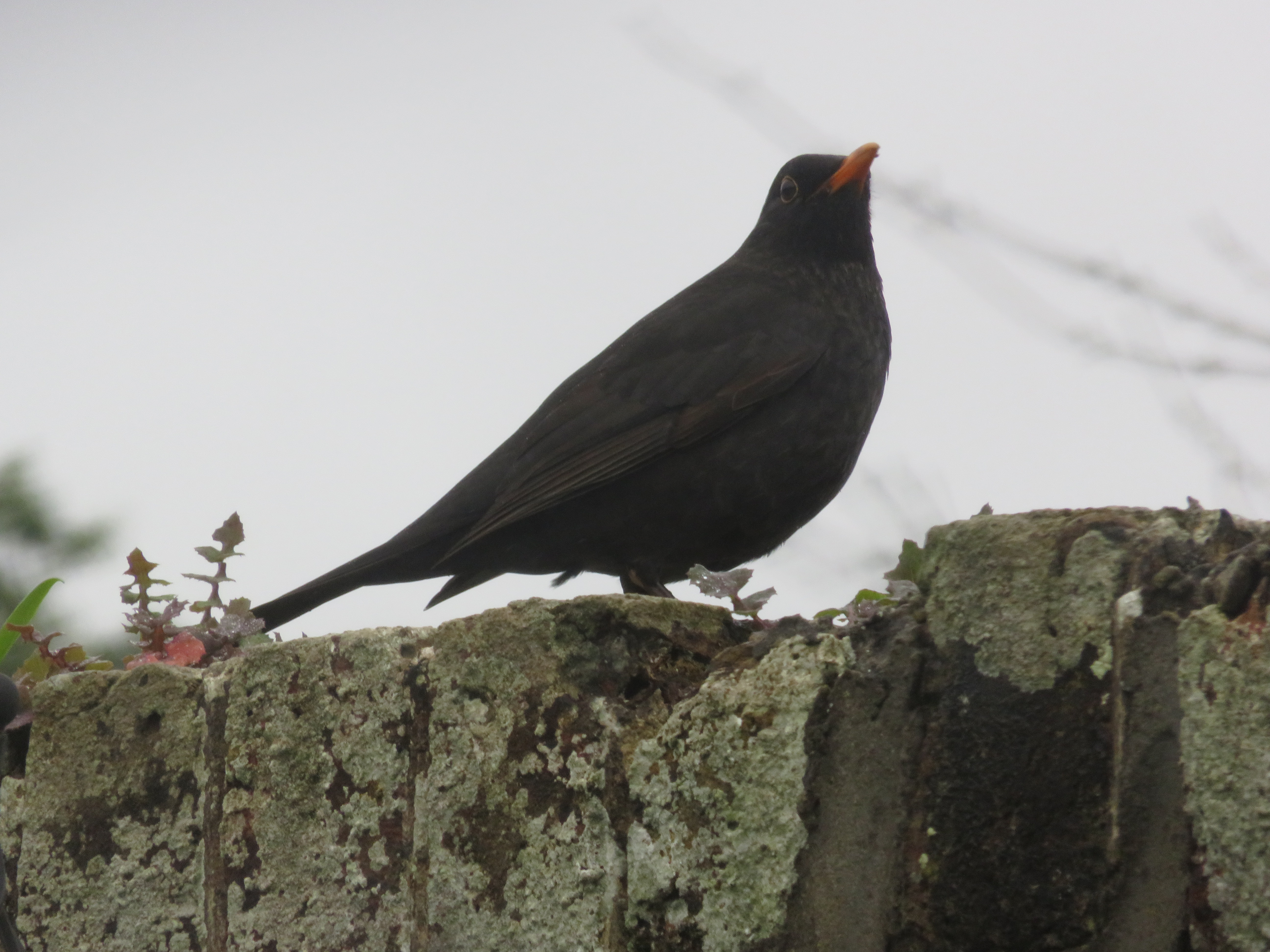
The Blackbird is a species of thrush . The adult male which is found throughout most of Europe is all black except for a yellow eye ring and bill. and has a rich beautiful song . The adult female and the juvenile have mainly brown plumage .

They breed in woods and gardens , building a cup shaped nest bound together with mud .It eats a range of insects ,earthworms , berries and fruits .

Both sexes are territorial on the breeding grounds , with distinctive threat behaviour .

Blackbird eggs in the British Isles are smooth, glossy , and blue or green – blue with red brown speckles. The nesting season is officially March – July this can change depending on the weather .So you may see blackbird chicks in the nest as late as August .

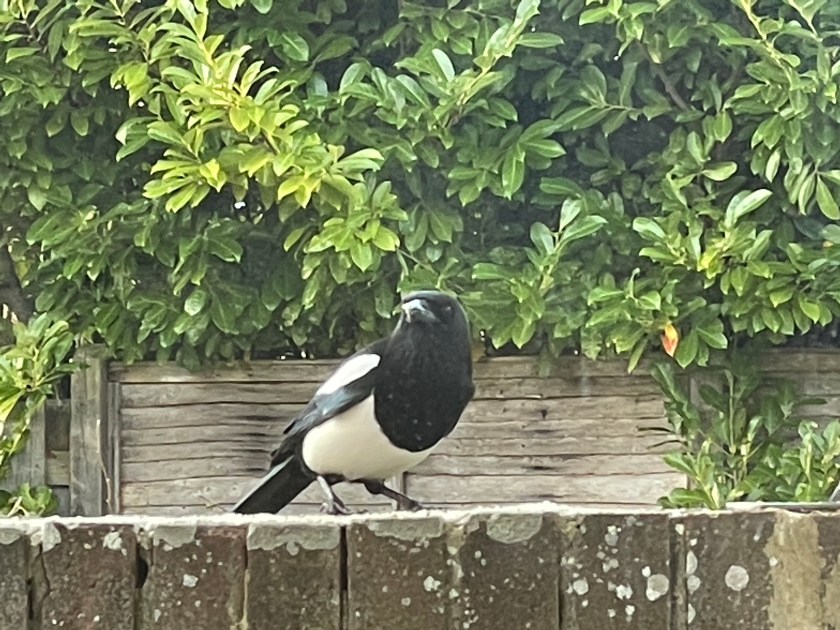
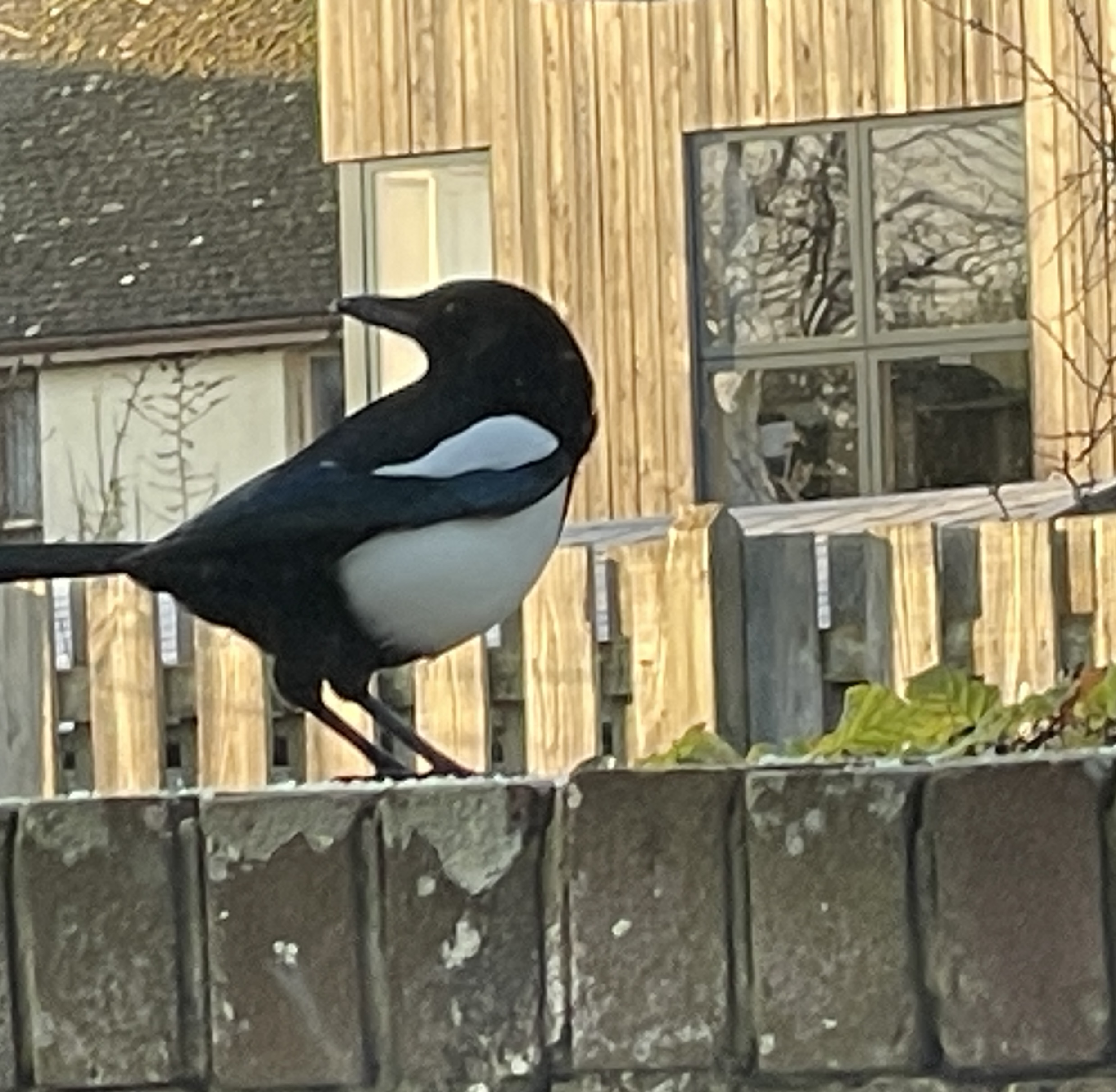
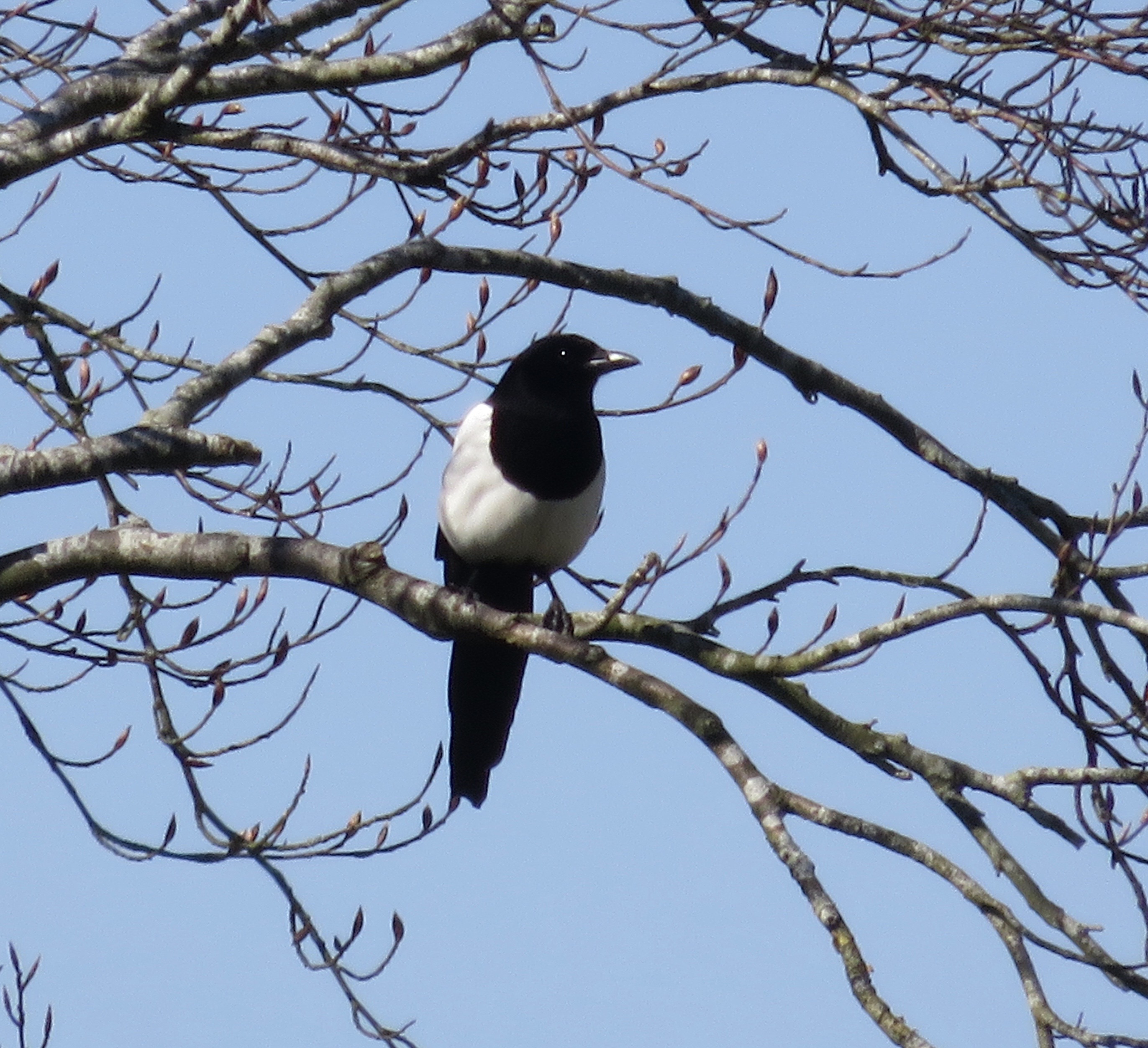
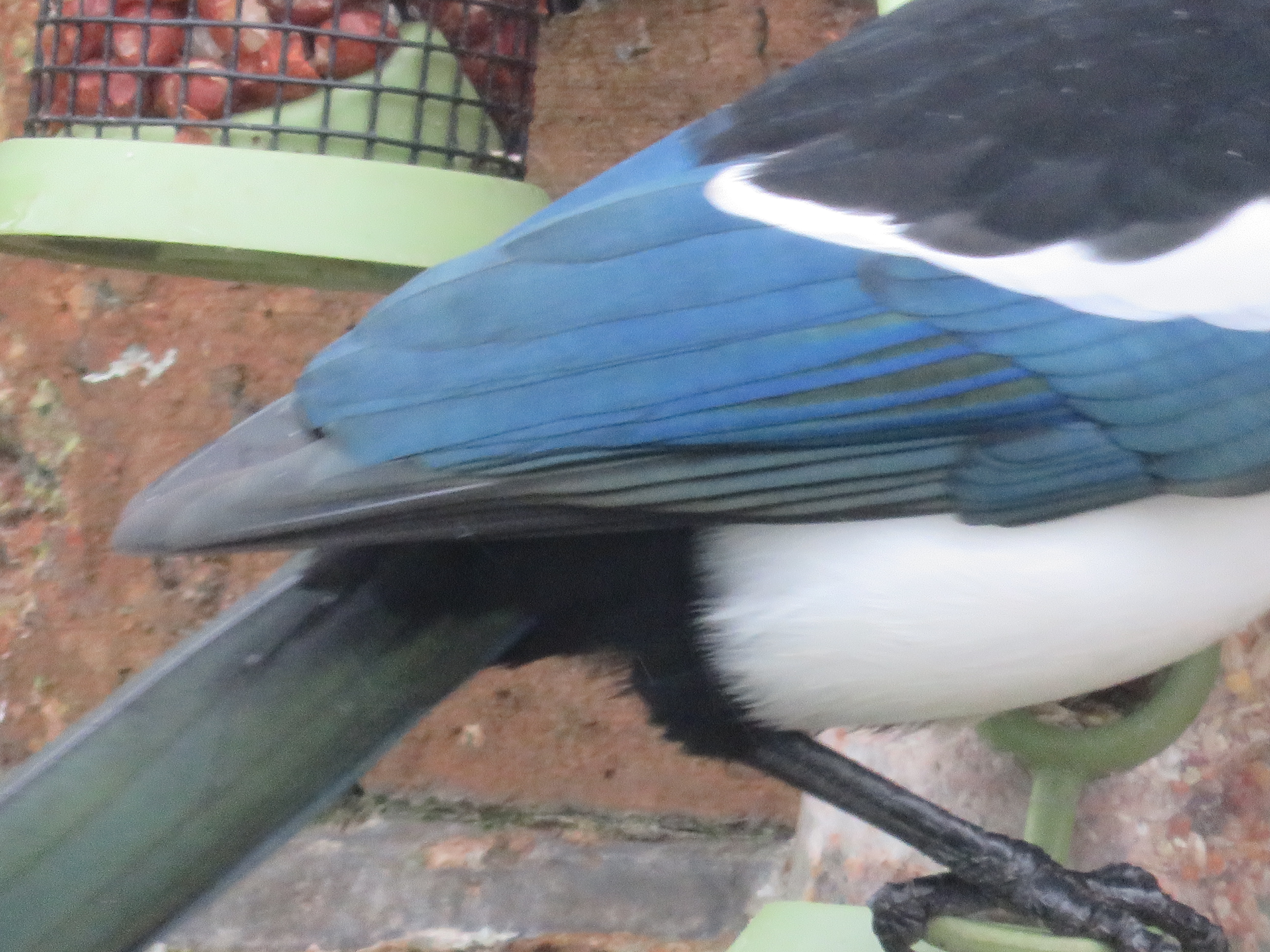
The Magpie comes to my wall a lot chattering away and it is the most beautiful bird . When seen up close the Magpie with its black and white plumage reveals a purplish blue sheen to its wing feathers and a green shine to its tail.

They are usually accused of being scavengers, predators and pest destroyers on breeding birds will gather in flocks. They are often called the bad boy of the bird world as they steal eggs from other birds nests to eat .

Magpie nests are bulky ,dome shaped structures with a side entrance made of twigs and mud and are usually in tall trees ,bushes or hedges. They also often reuse nests built the previous year . The nests they build can measure around 50 x 70 cm. The male transports material to the nest site and the female builds the nest ( She probably wants an on suite and a kitchen diner !)

Their nesting season is April – July but can be from December. They only have one brood a year and lay 5 – 6 eggs which are pale blue or blue green with speckled olive brown markings. The incubation period is 20 days by the female and the babies fledge 24 – 30 days from hatching.

Gulls & more Gulls.

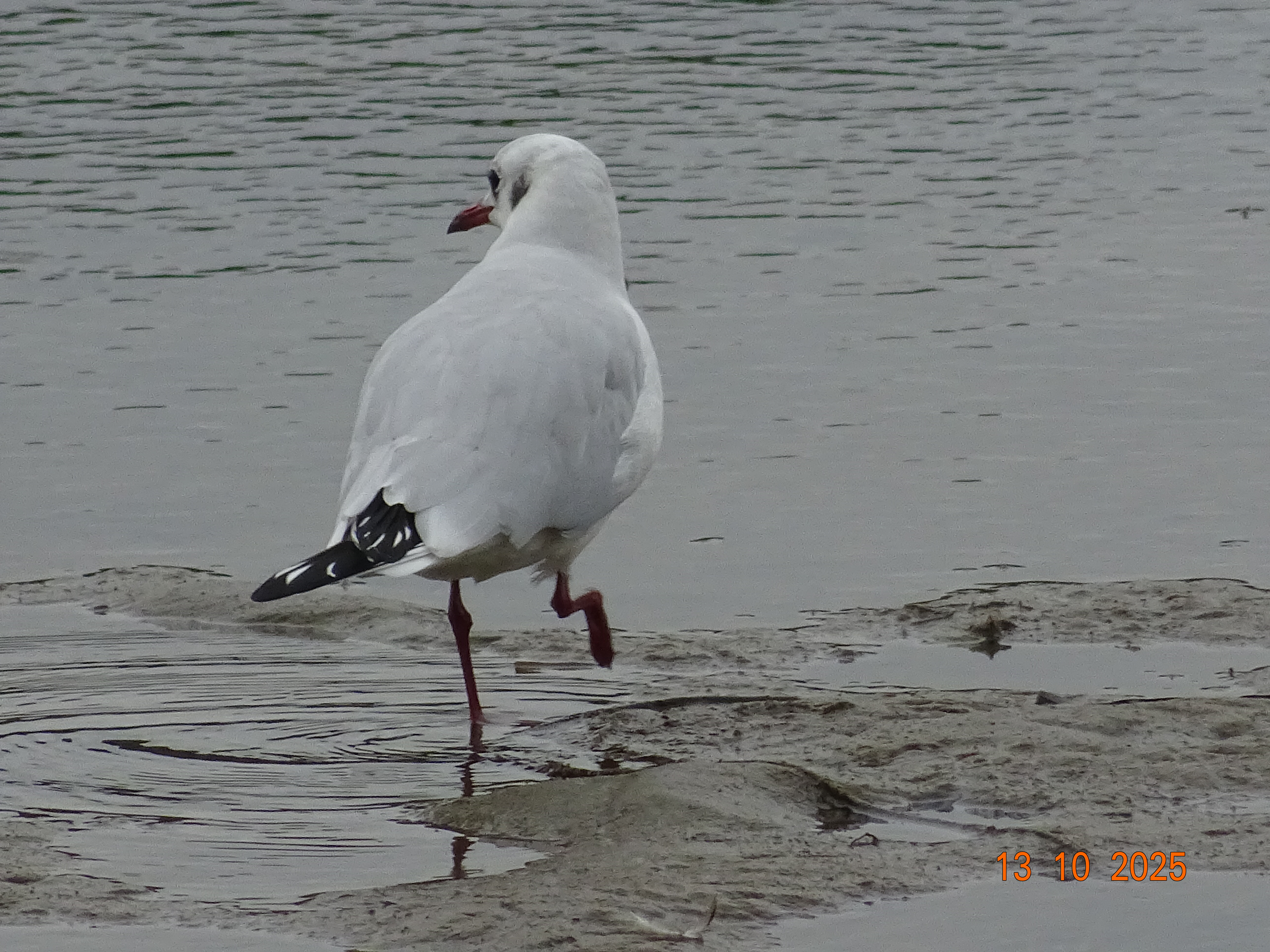
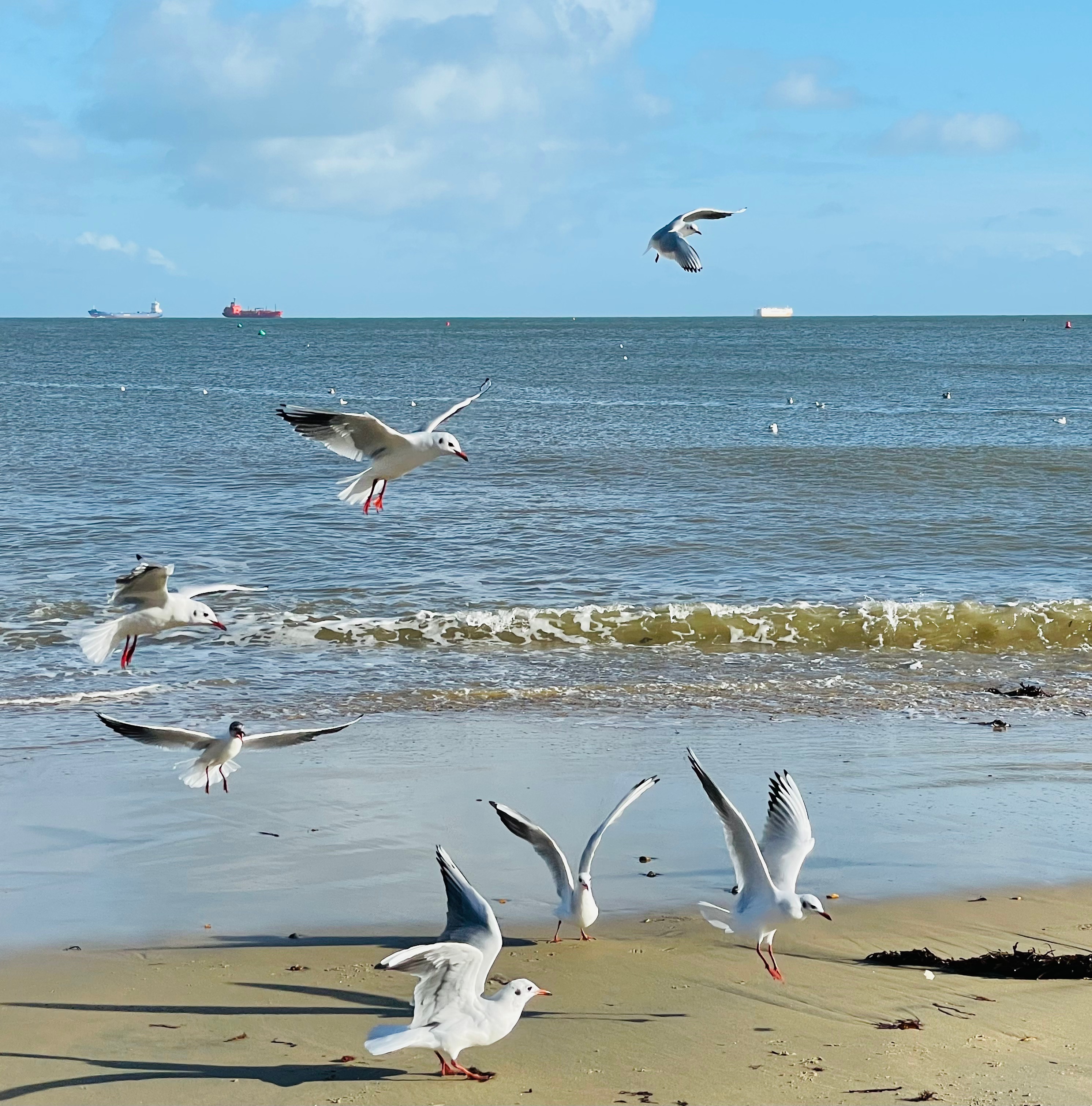
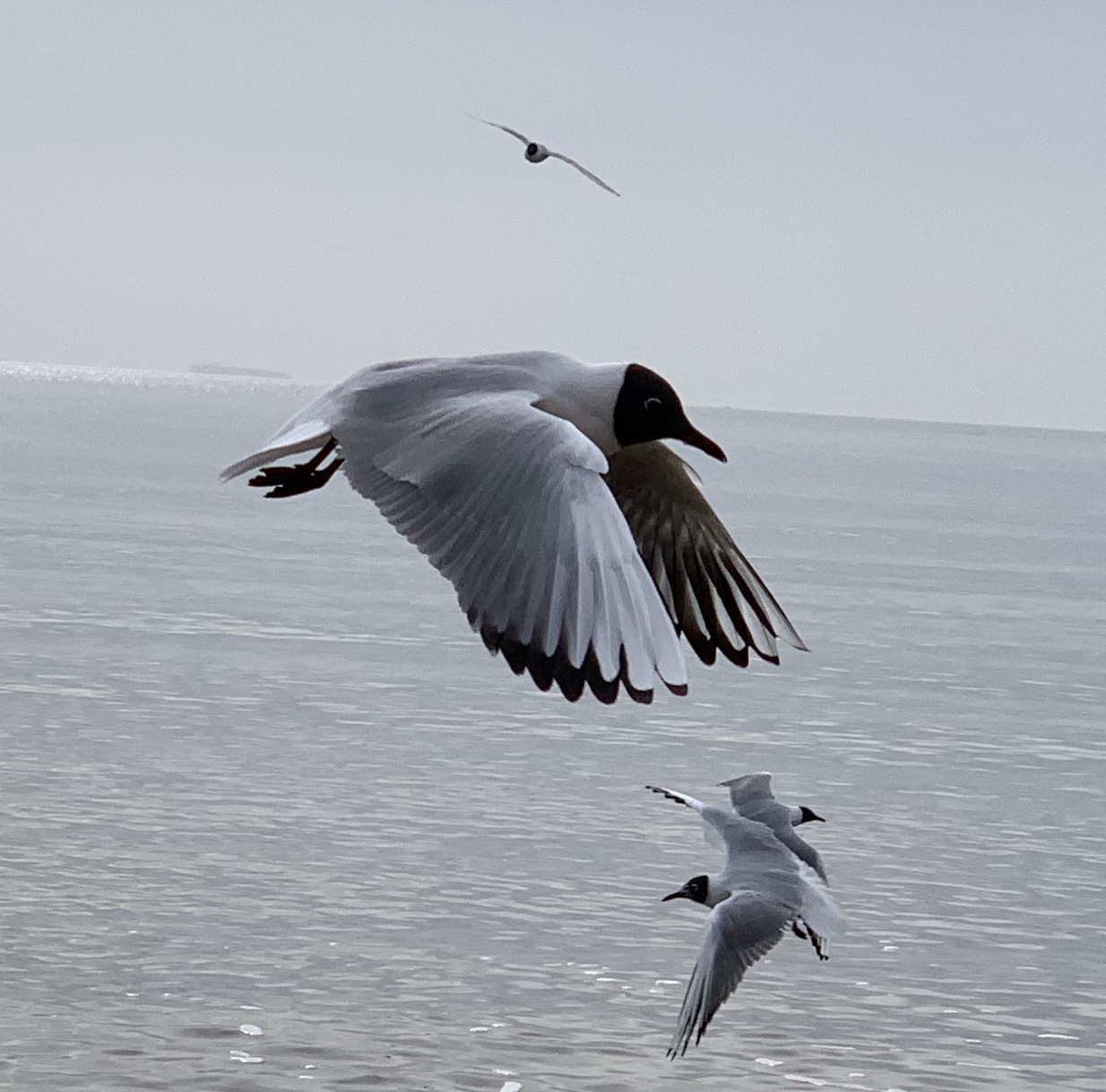
Living on small island obviously are the various types of Gulls that are around .

Looking out of my patio doors even though I am ten minutes walk from the beach They are all around , on roof tops , on my lovely wall and on the patio its self if they get the chance .

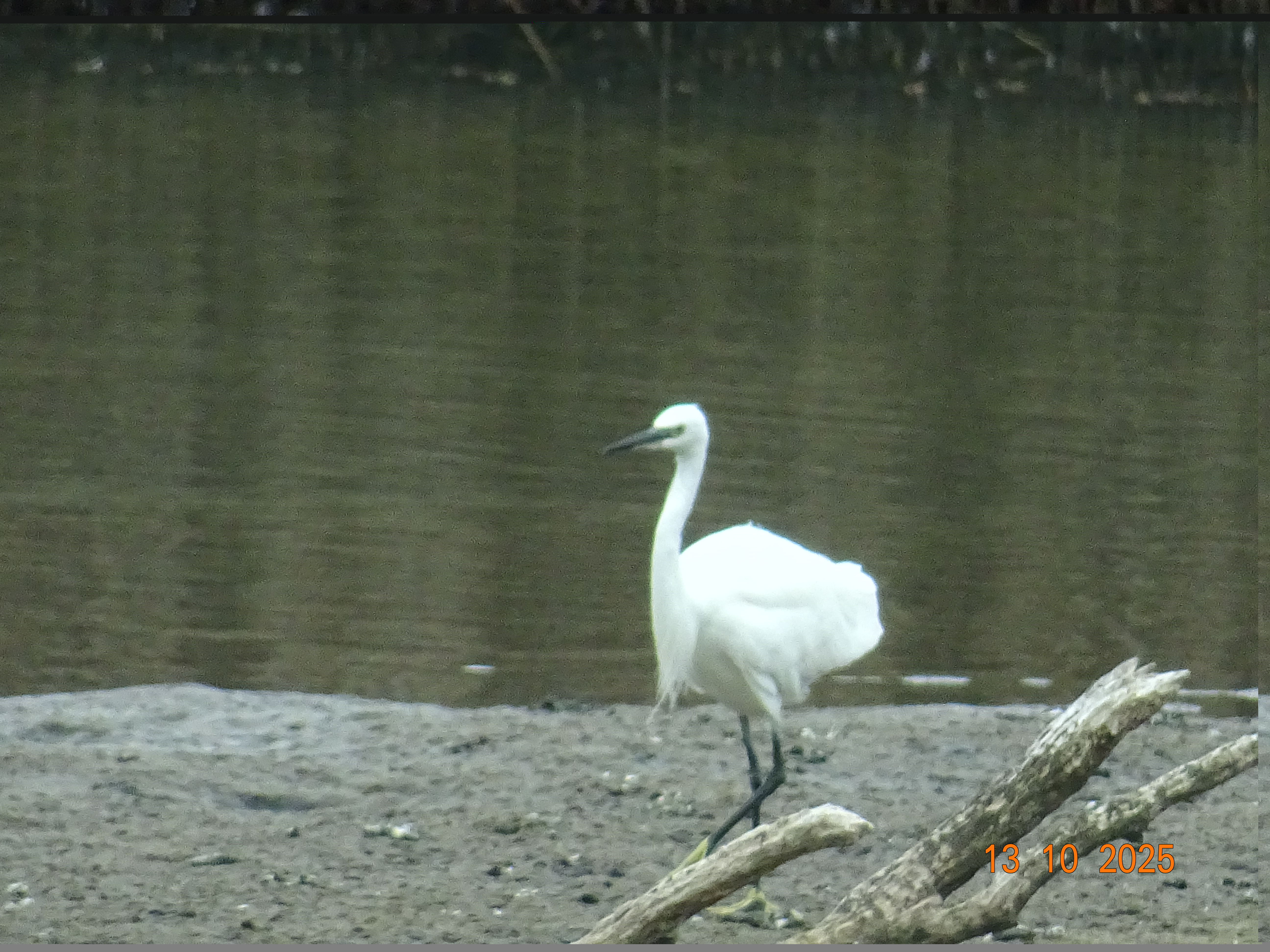
There are around 50 types of gulls worldwide and 6 types found in the United Kingdom. these are

I see a lot of gulls on the rooftops near me and they tend to often nesting unused chimney pots . They protect their young and are devoted parents and will dive bomb if they think the young are at risk or they feel threatened.

Gulls typically breed once a year with their breeding season usually beginning in April and lasting through till August.They build nests , lay eggs , and raise the young during this time.

Chicks generally begin to fly in July or August and then take four years to reach maturity and breed . Herring gulls tend to nest in colonies and once roof nesting birds get a foothold other gulls nest on other buildings near .If left unchecked a colony can develop.

an older name for gulls is MEWS , this still exists in certain regional English dialects which is connected to German Mowe , Dutch Meeuw and French Mouette .

large birds are long living and often live to to a maximum age of 49 years .

As mentioned earlier there are six species of gulls found in the UK .

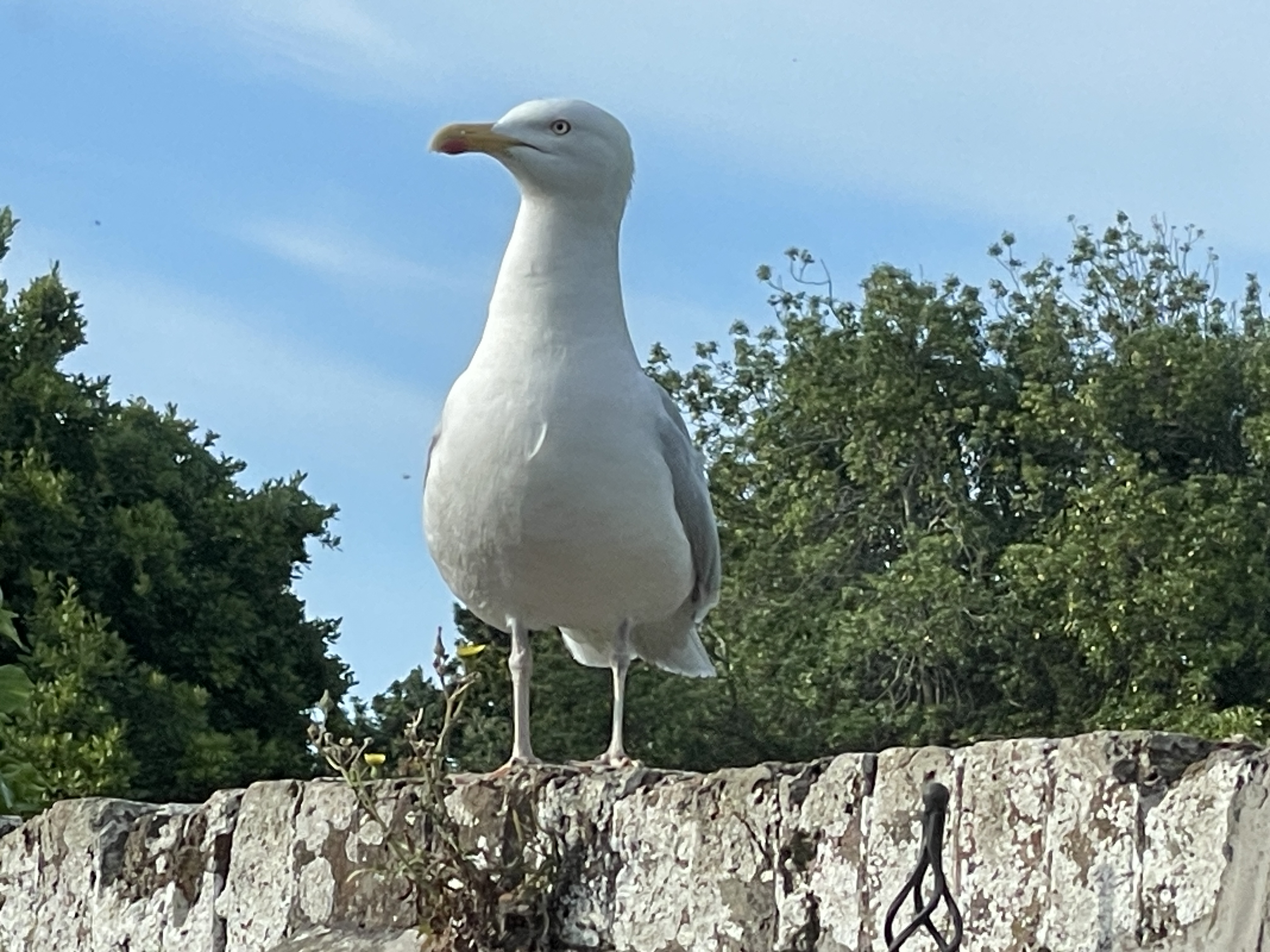
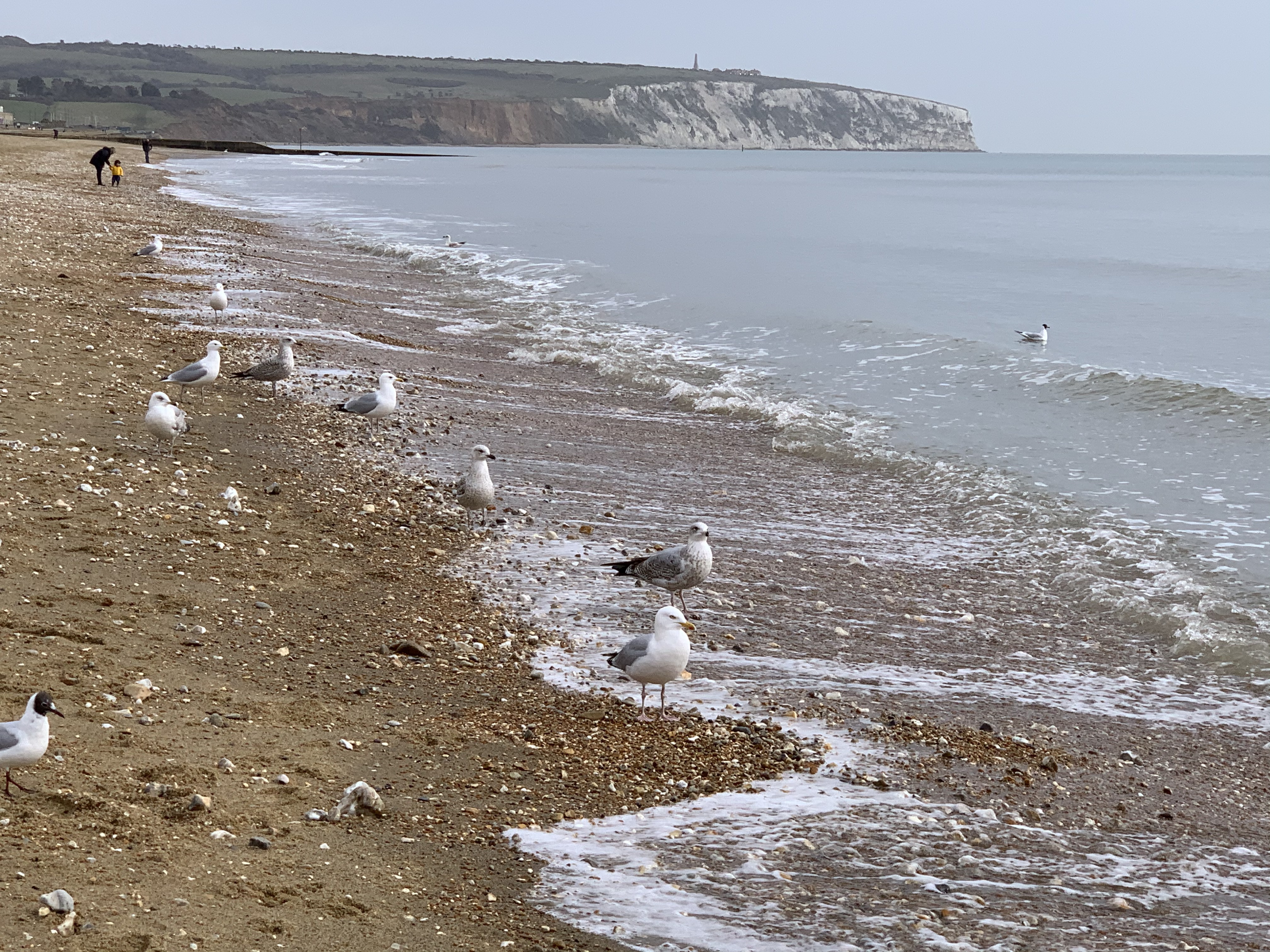
Herring gull. They are loud noisy birds found throughout the year around the coasts and inland around rubbish tips especially in the winter . Adults have light grey backs ,white under parts and black wing tips.

Yellow legged gull . Adults have larger grey backs and wings than herring gulls .Their legs are bright yellow and there is a red ring around their eye.

Lesser black – backed gull This gull has dark grey to black back and wings yellow bill and yellow legs .The UK has 40% of these European gulls.

Great black – backed gull A very large , thick set gull with a powerful beak. It will fight off any other gulls and can be quite aggressive.

Black legged Kittiwake Kittiwakes are medium sized gulls with a small yellow bill and a dark eye .They have a grey back with white underneath .Their legs are short and black .In flight the black wing tips show no white unlike other gulls . After breeding birds move to the artic for the winter.

Little gull This is a small gull. Adults in summer have black heads ,while young birds have a black mark n each wing which forms a W pattern.Little gulls are seen around the coasts from July to April usually in Tayside and Yorkshire , with smaller number further south.

All gulls are protected in theUK under the wildlife protection act of 1981. This makes it illegal to intentionally harm any gull or an active nest or it’s contents.However , the law says that in certain circumstances control measures may be neccessary.

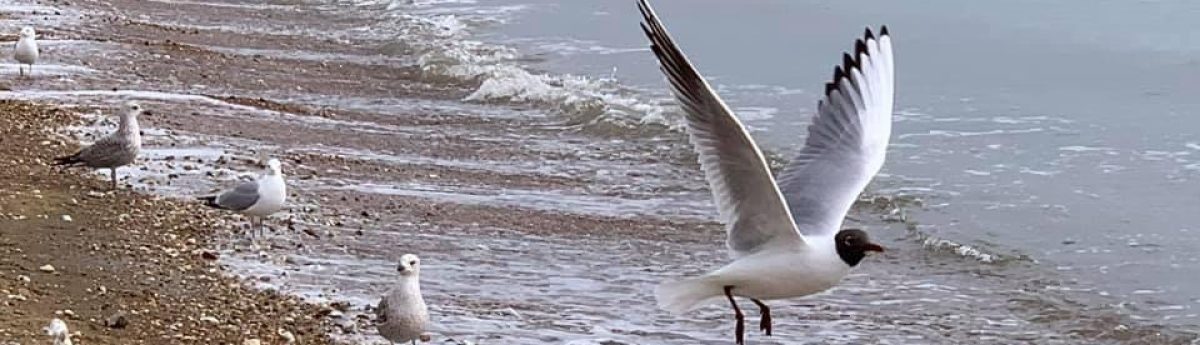
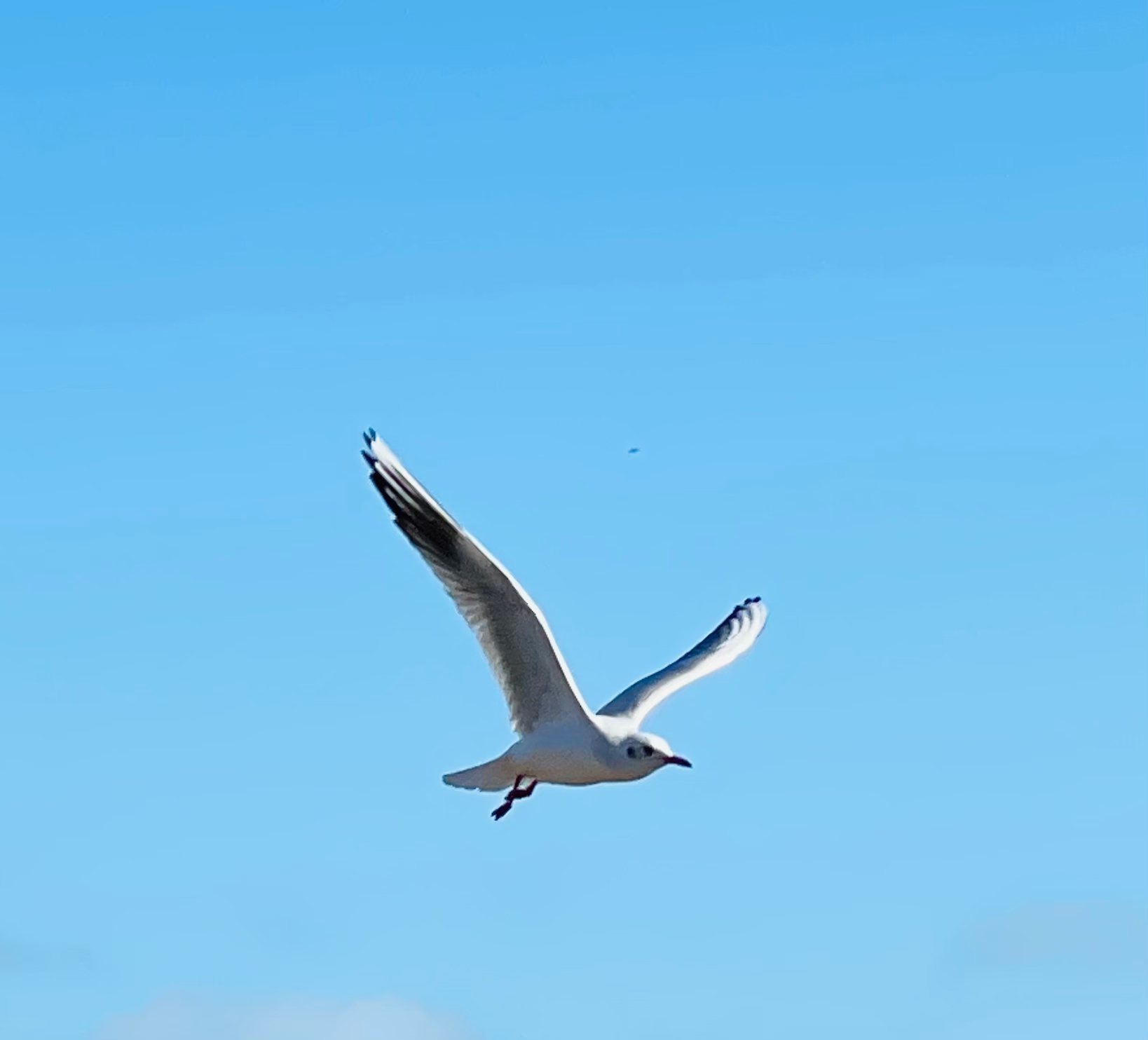
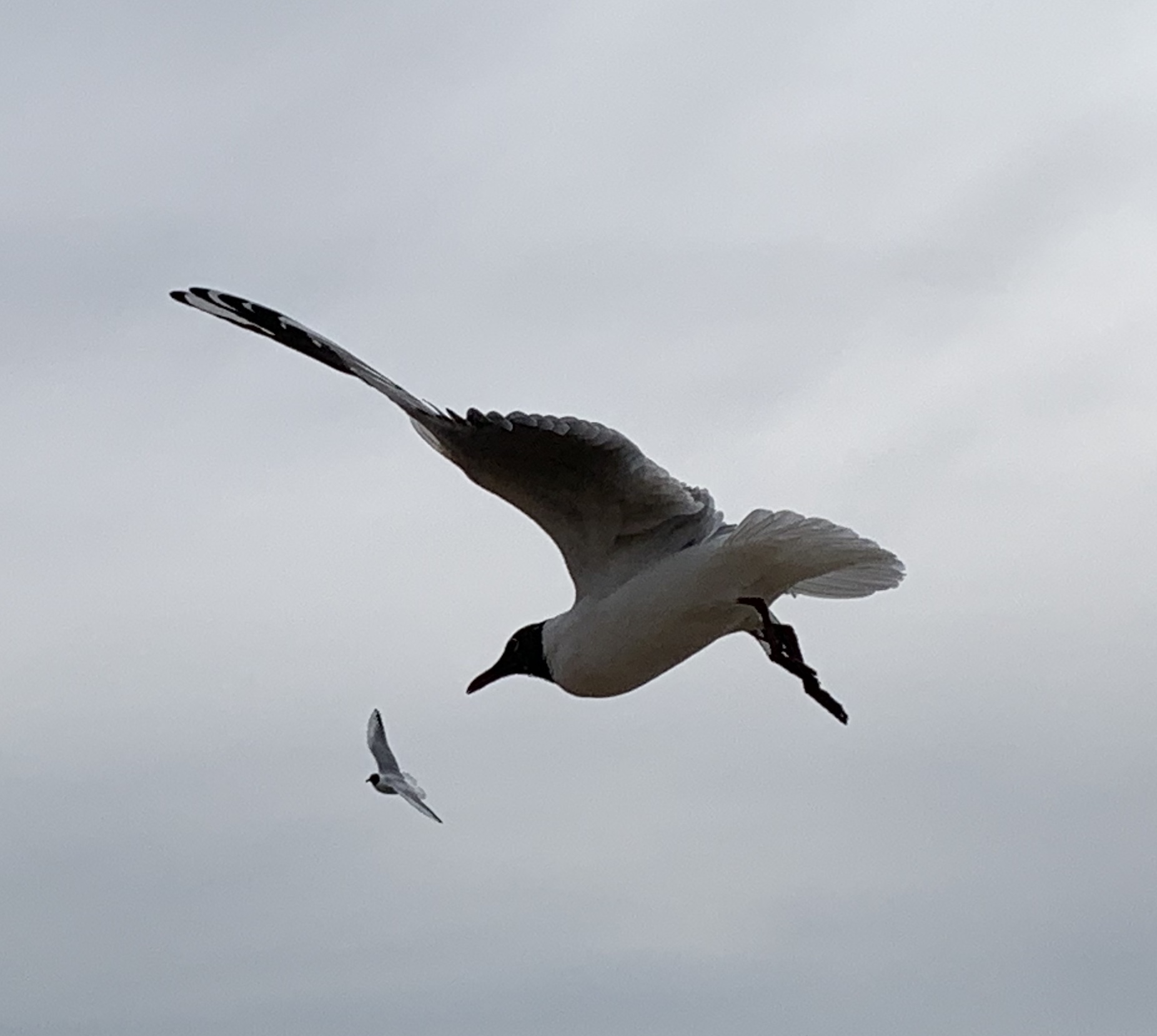
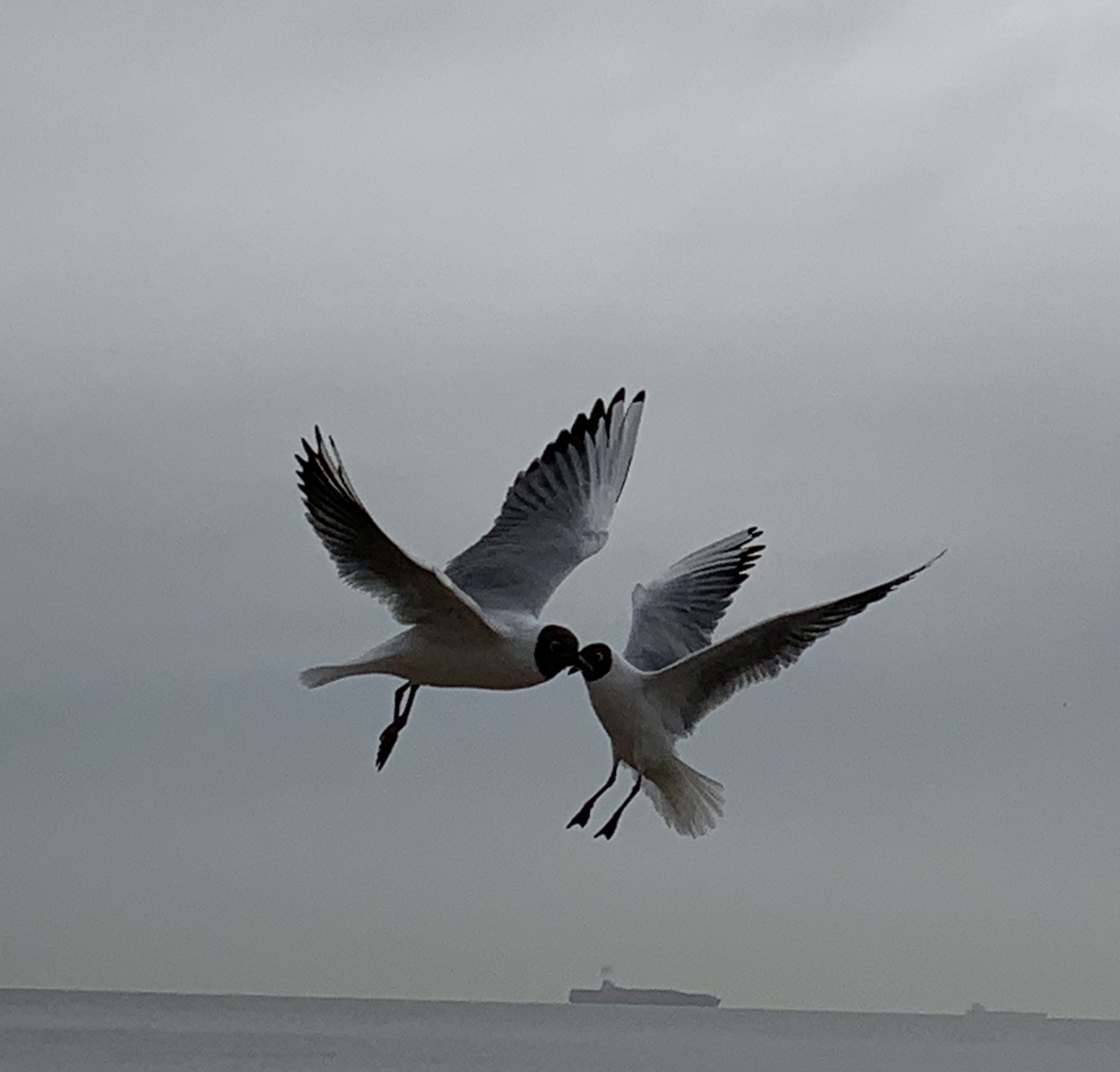
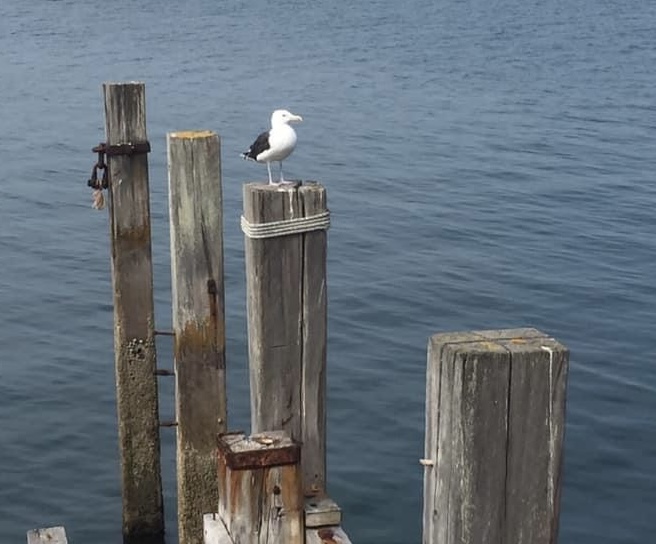
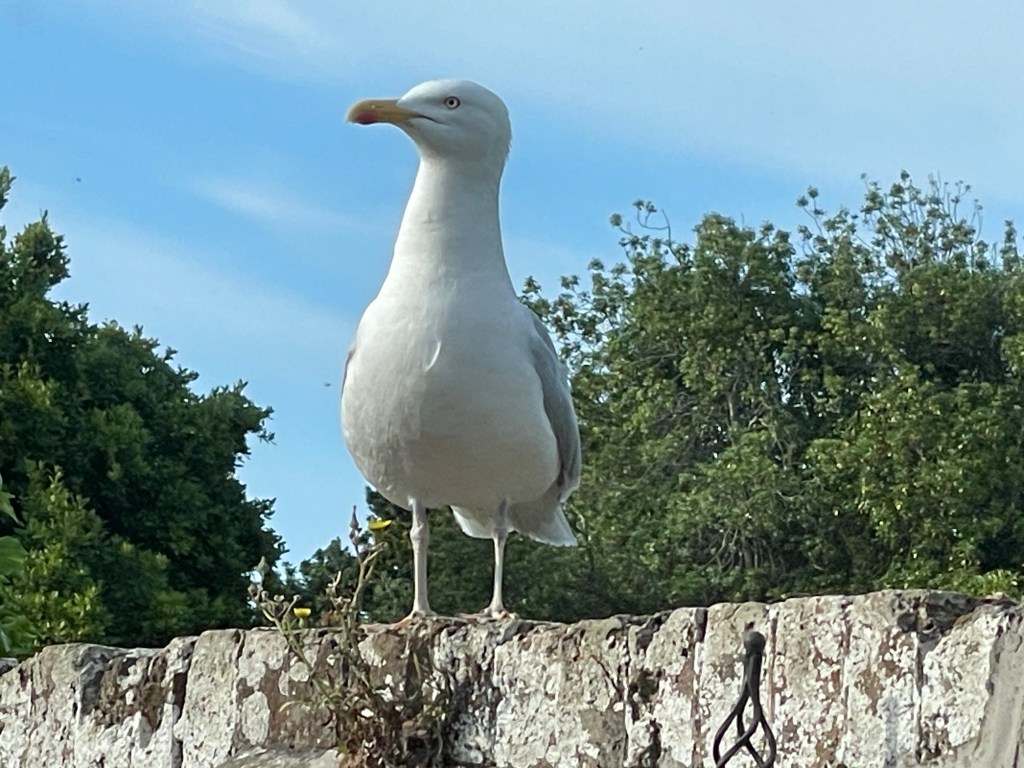
This beautiful gull ( I call Guss ) comes to my wall by my widow most days . He or she stays a while , sometimes tapping on my patio doors . Other birds that come are not threatened by him and he is not bothered by them ..Often other birds gang up on each other but not when Guss is around.

Whitecliff Bay…Bembridge.

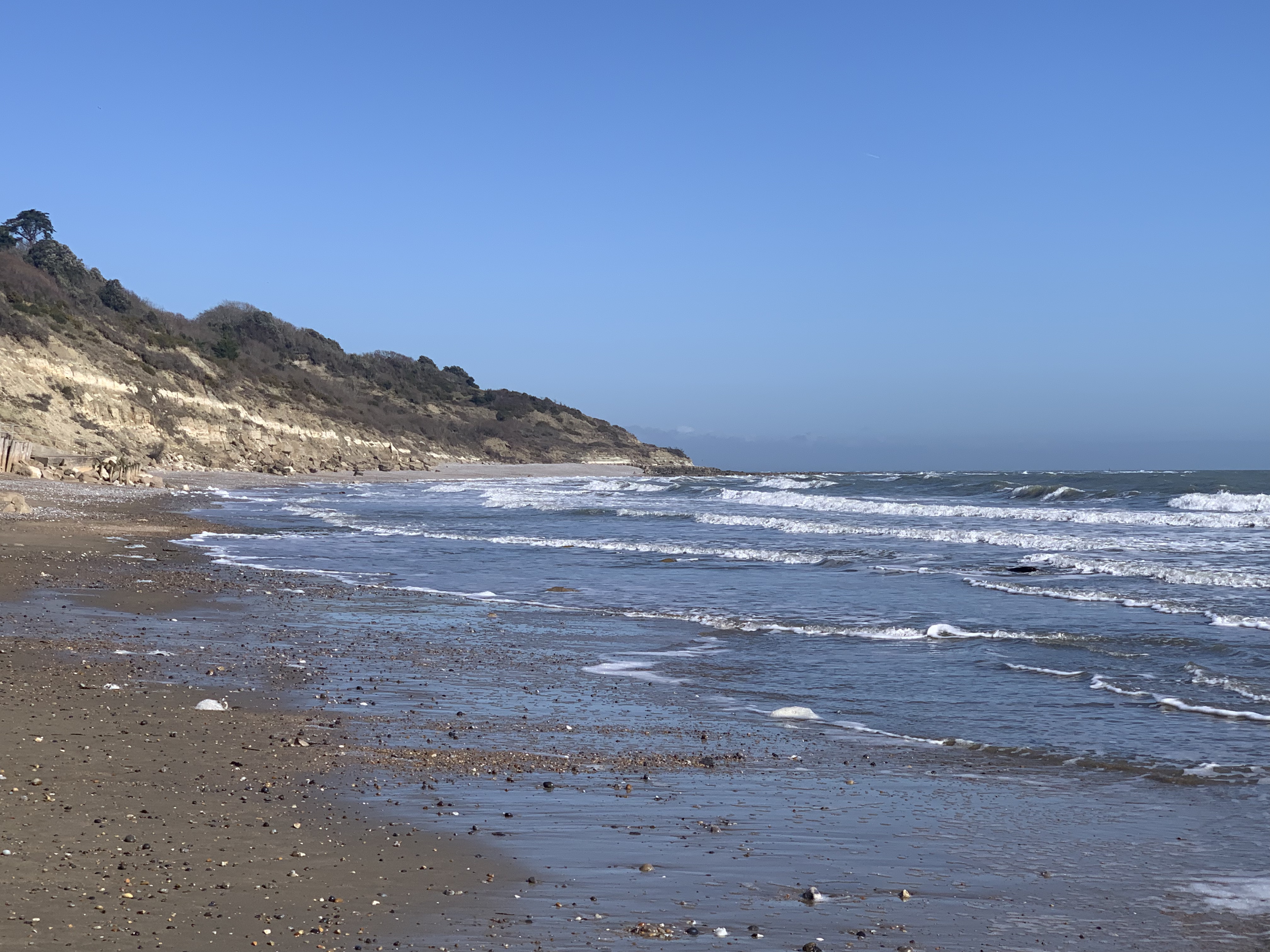
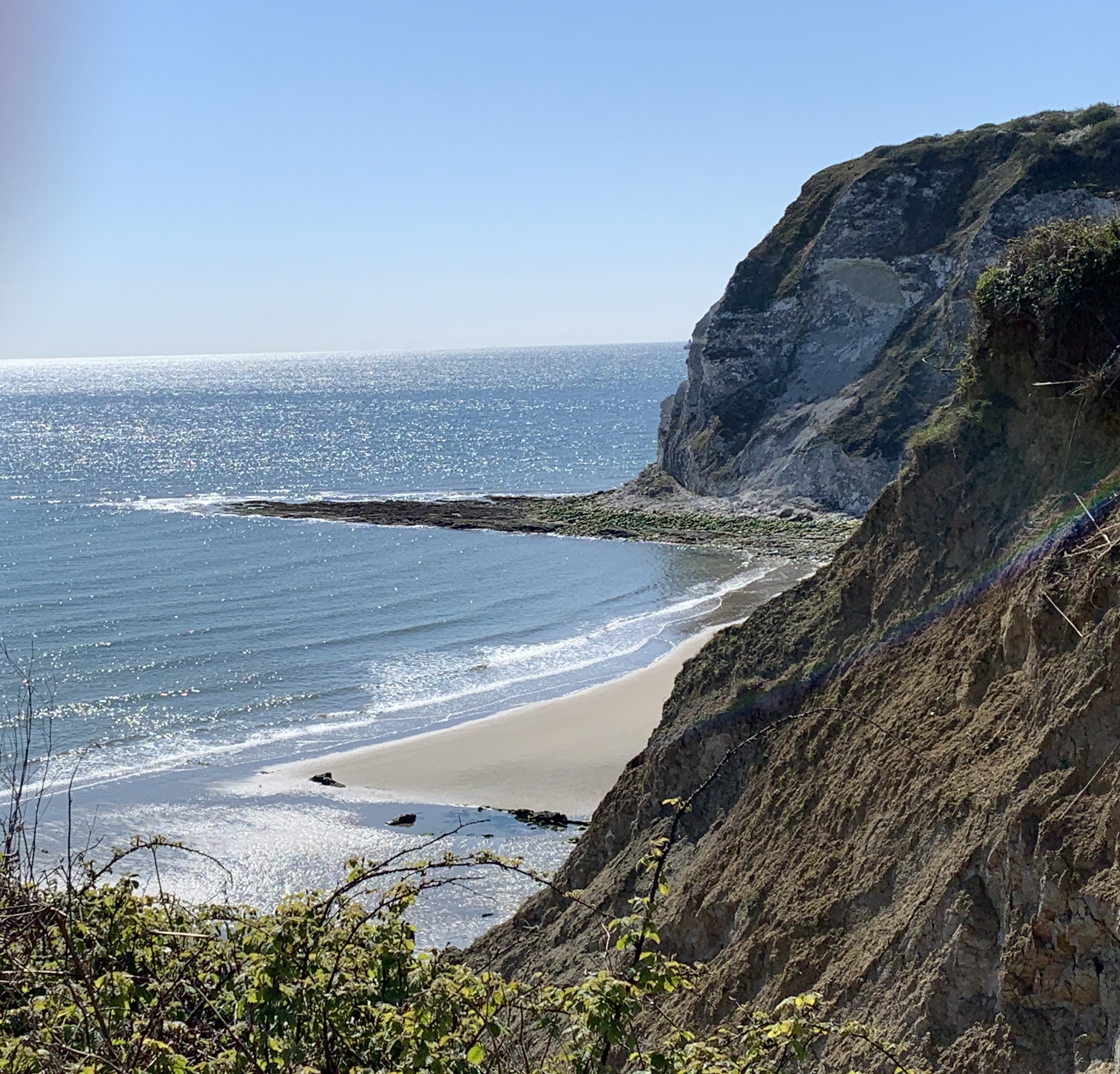
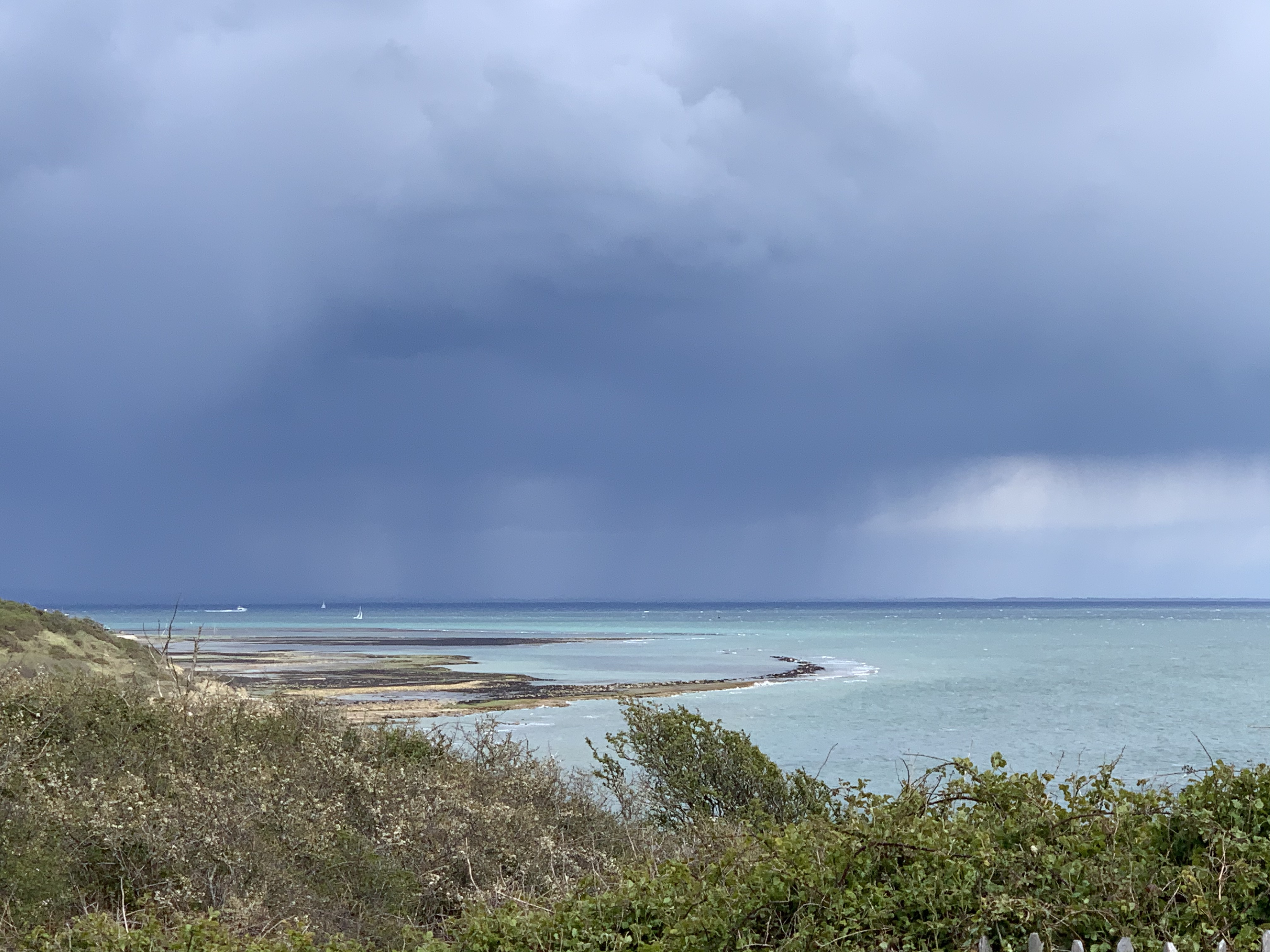
Whitecliff Bay is a sandy bay which is at the eastern most point of the Isle of Wight and about a mile from where I live in Bembridge . It is one of my favourite beaches especially at the end of the tourist season when the beach is usually quiet , perfect place for walking a dog which you can do on this beach all year. When people ask on Social media what are the best beaches to go to on the island I am often reluctant to comment as I love the quiet . The island is very often like a retreat and I would not want to be anywhere else .

To get to the bay you have to go through one of two caravan park which are private owned but once there it is so worthwhile with miles of walking ….but don’t get cut off by the tide… .Access is limited and only possible down two steep sloping concrete tracks.

Whitecliff Bay is renowned for its fossils and wildlife.
The site is of major geological interest being part of the Whitecliff bay and Bembridge ledges. Many groups enjoy the bay to research and explore findings.

It is a Site of Special Scientific interest which is from Bembridge Harbour around Foreland to Whitecliff bay. The site was notified in 1955 for both it’s biological and geological features.

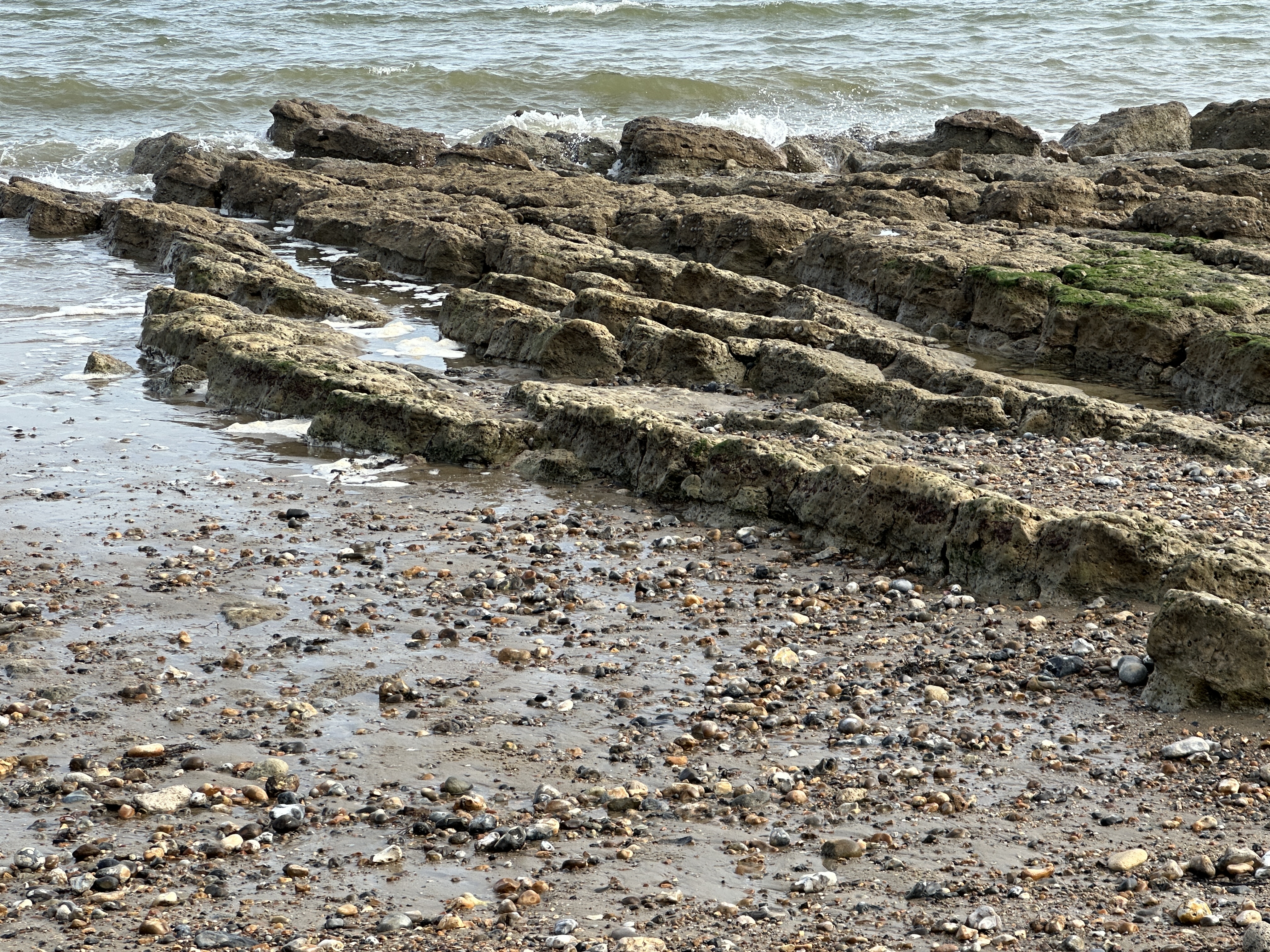
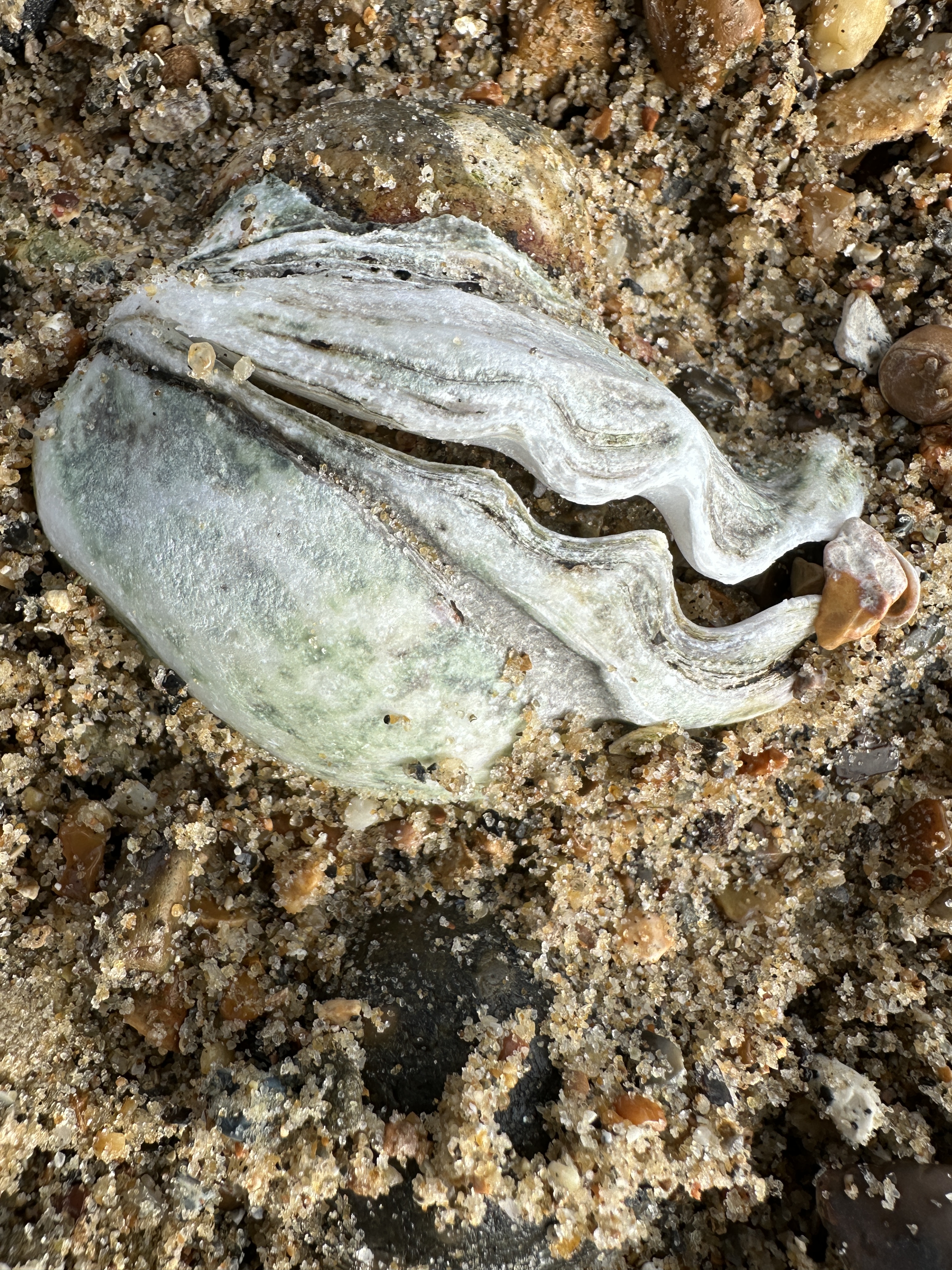
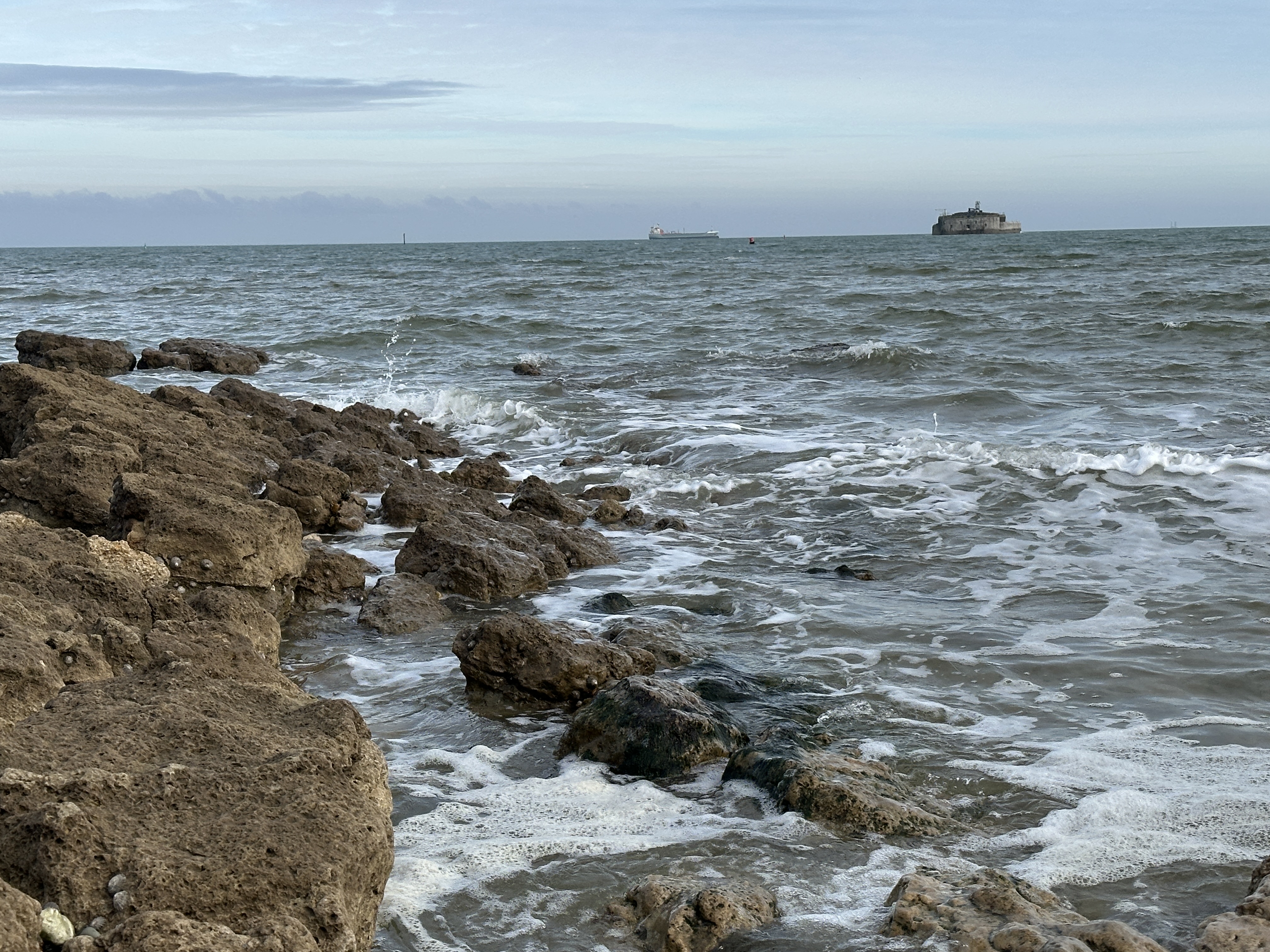
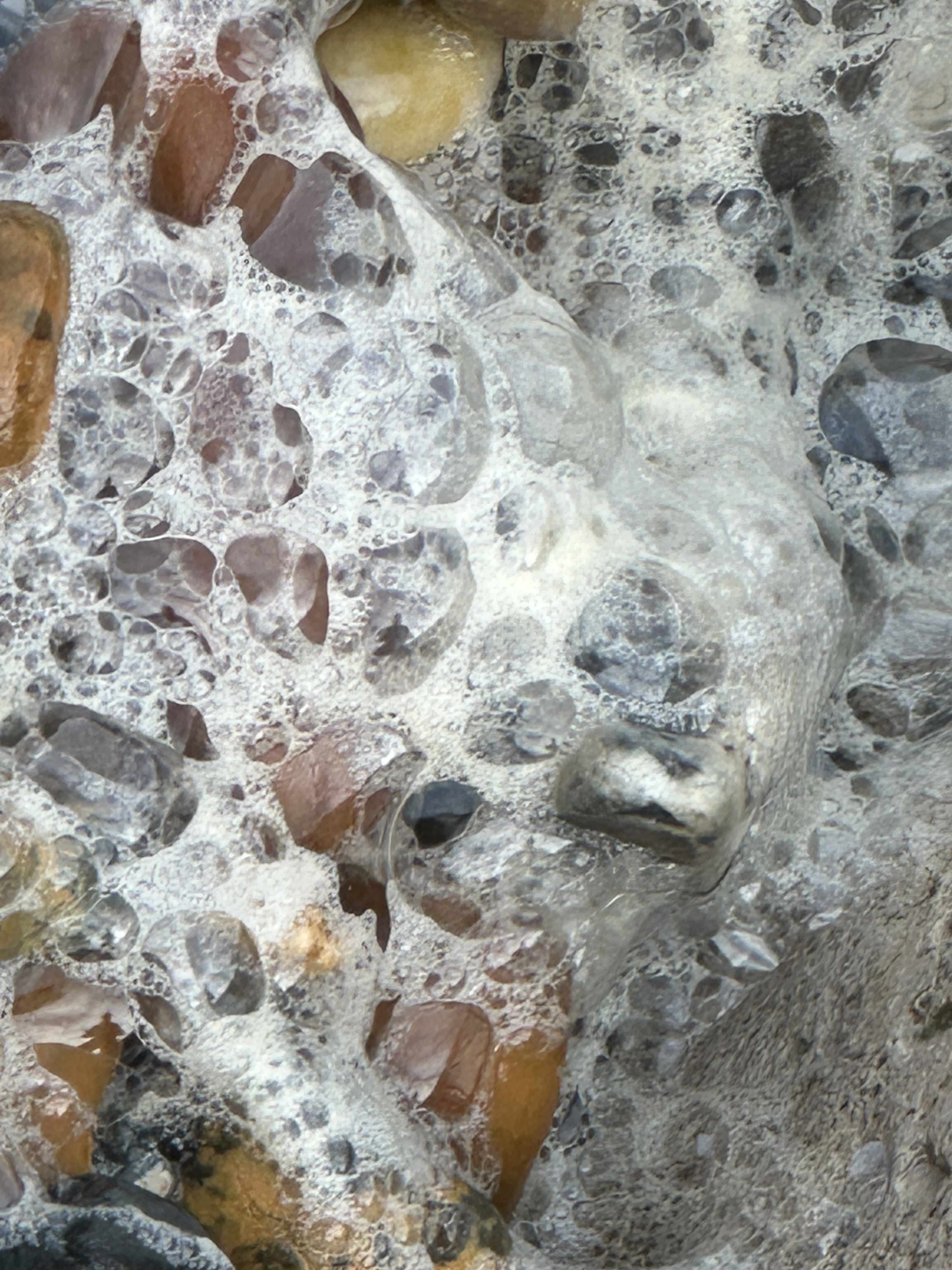
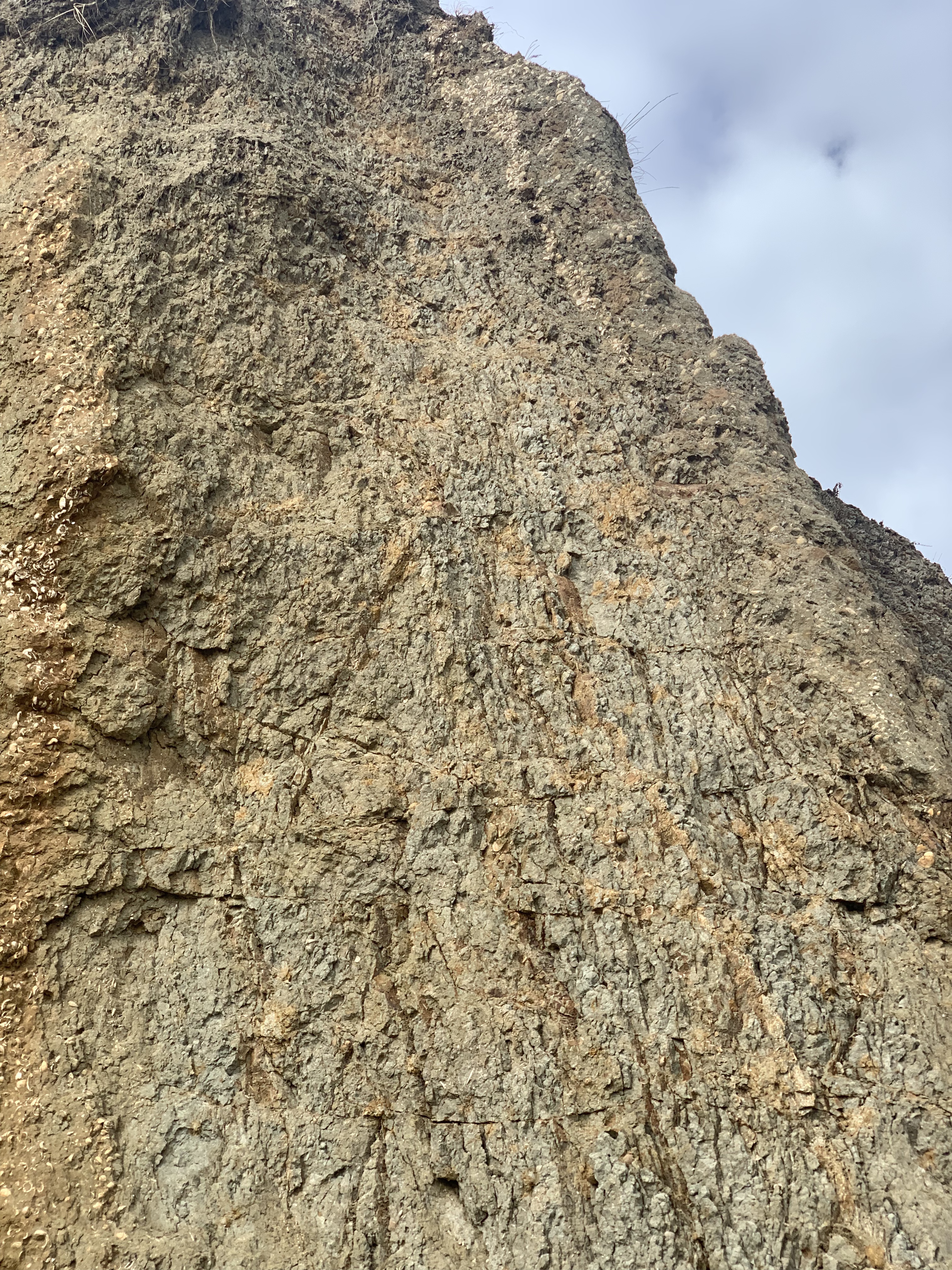
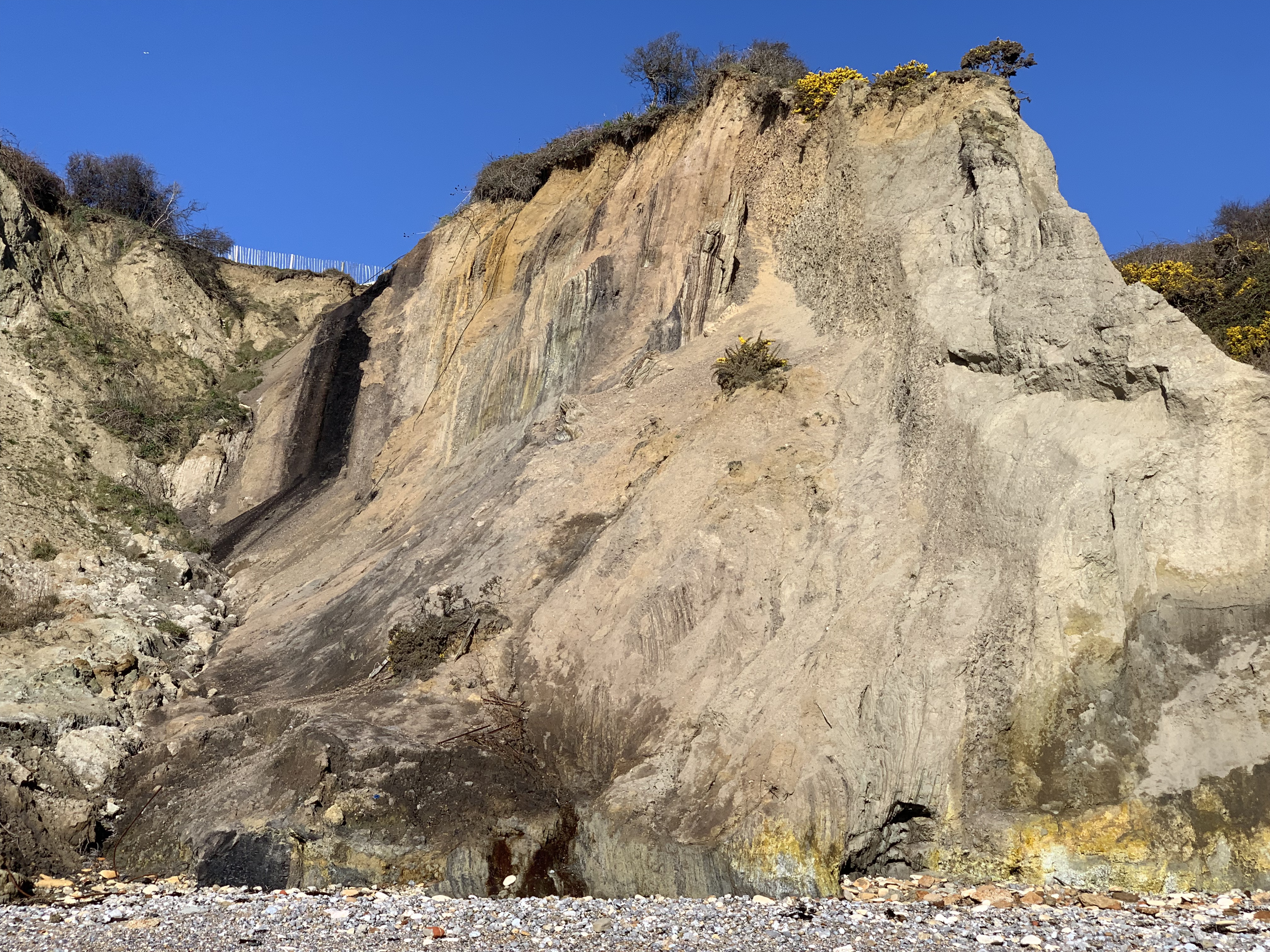
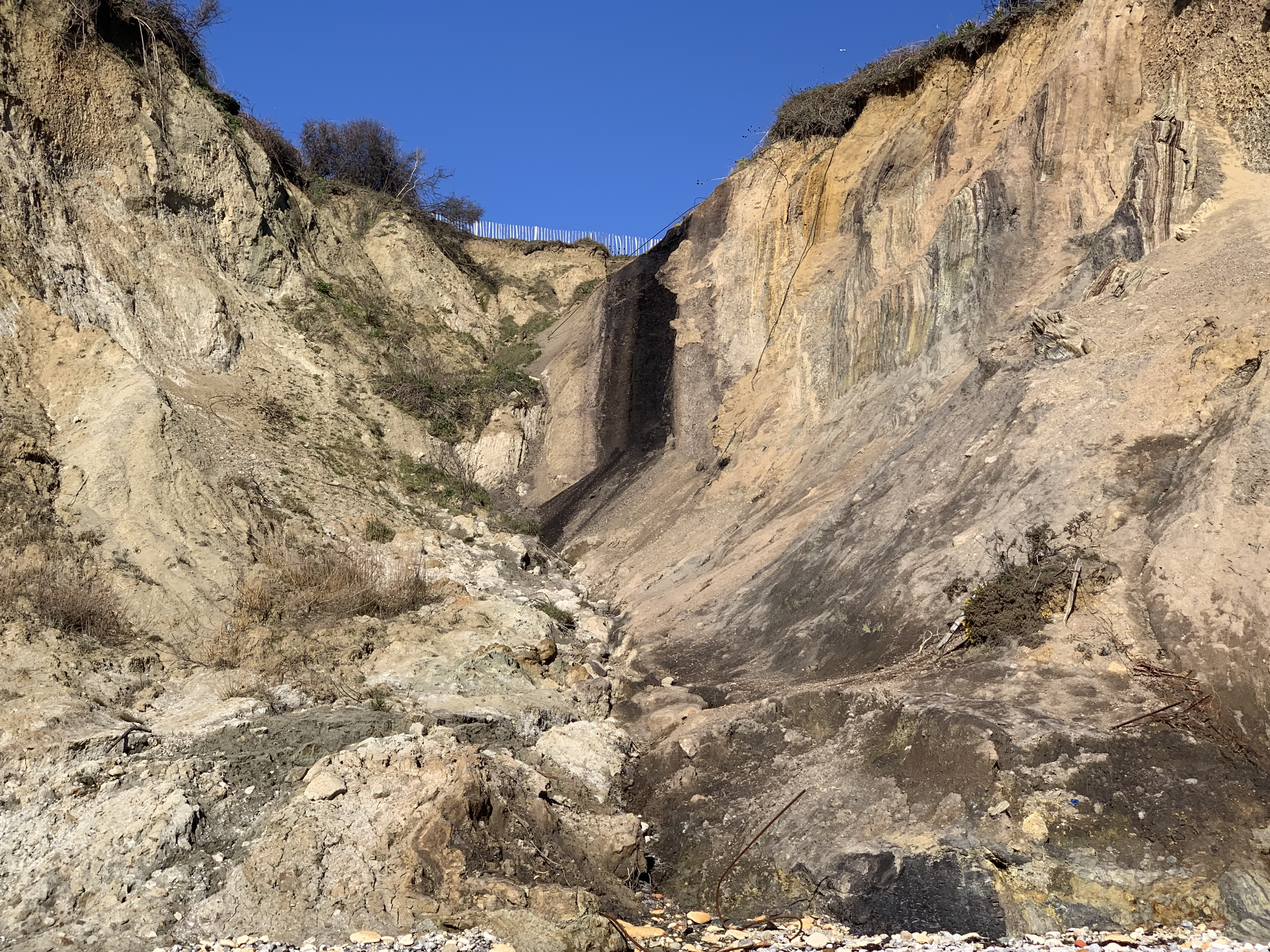
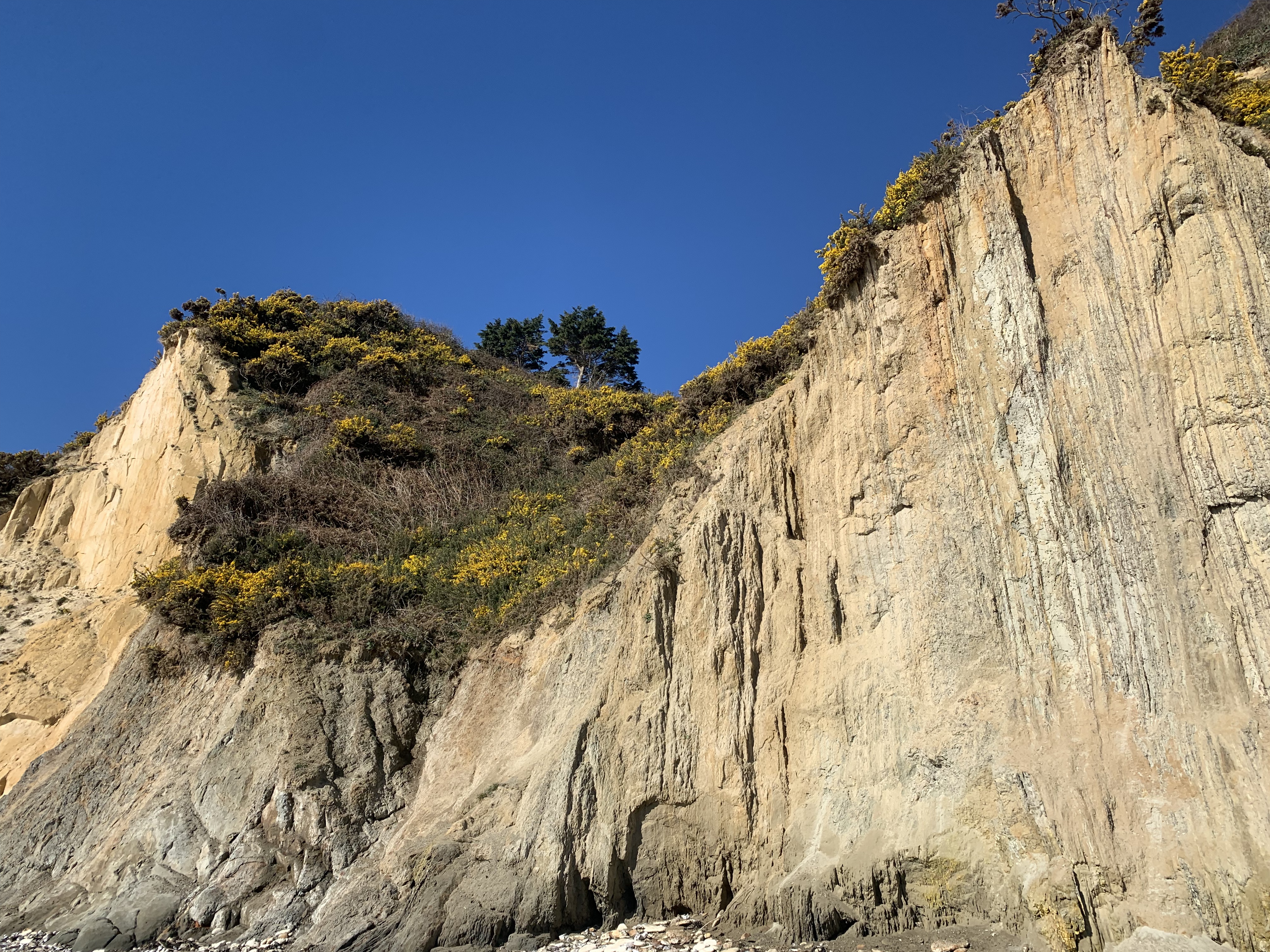
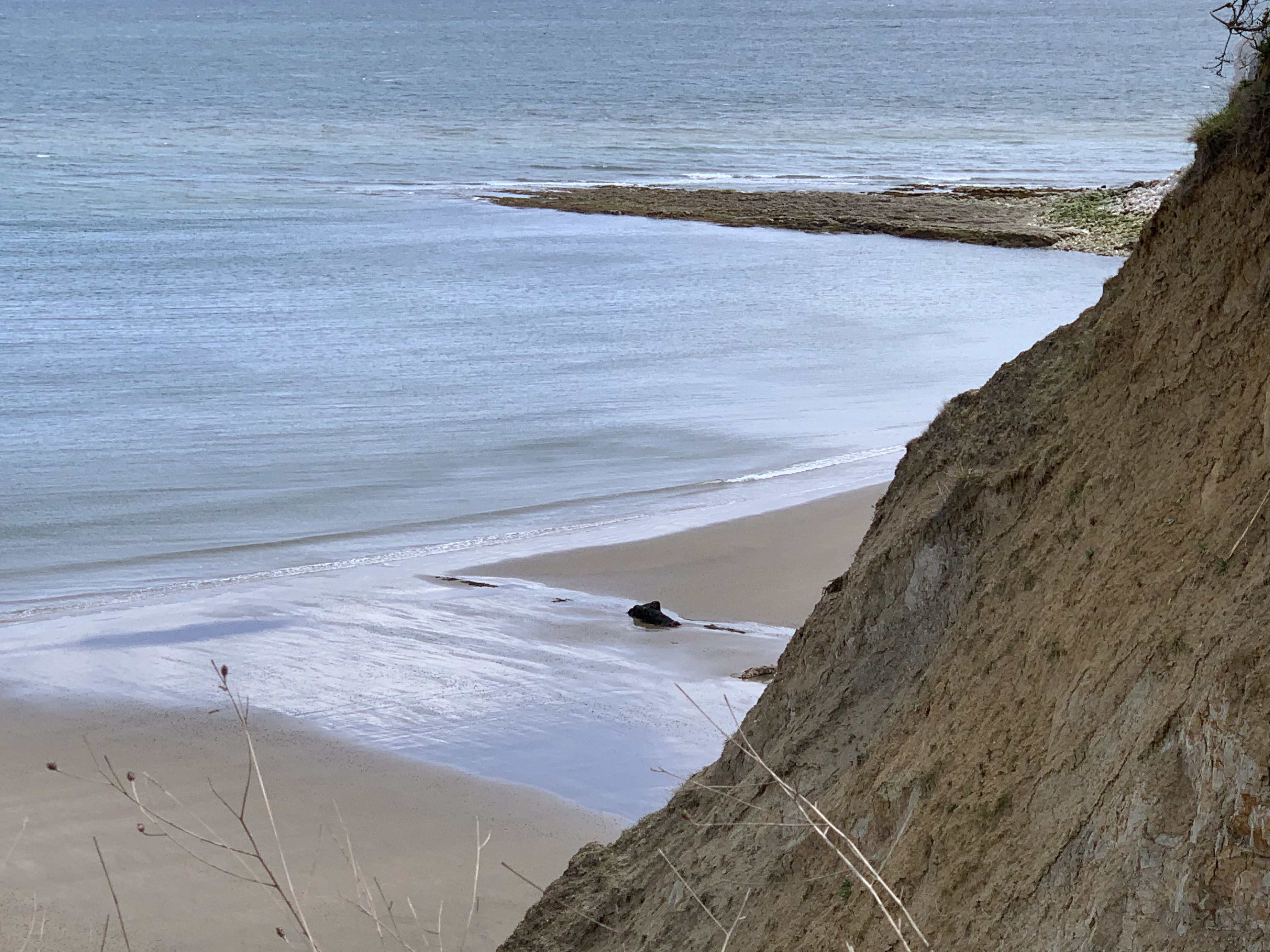
Below are a few cliffs that are by the beach and most have fossils in .The first one has a seam of thousands of tiny shells going from top to bottom , the others have shells imbedded in them .

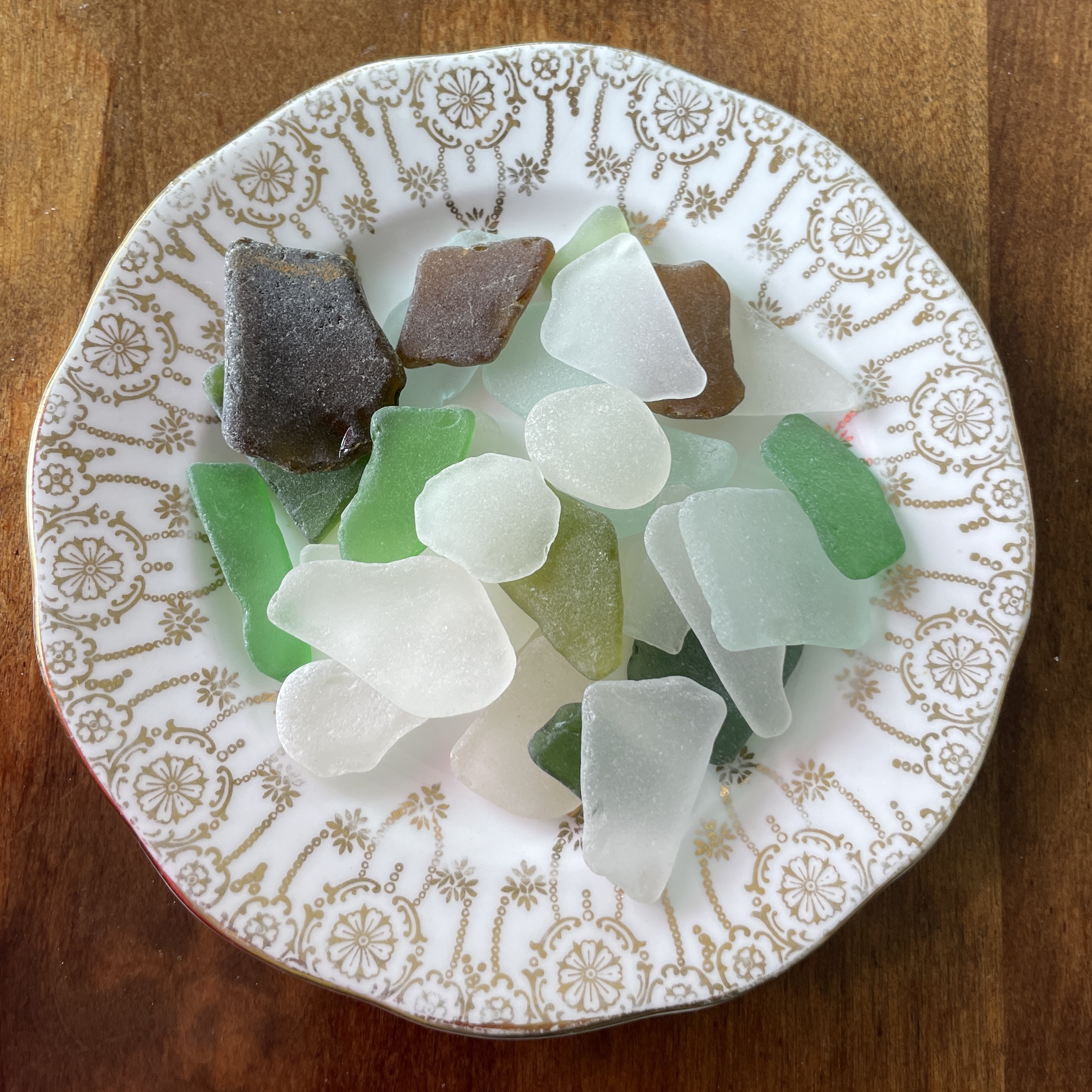
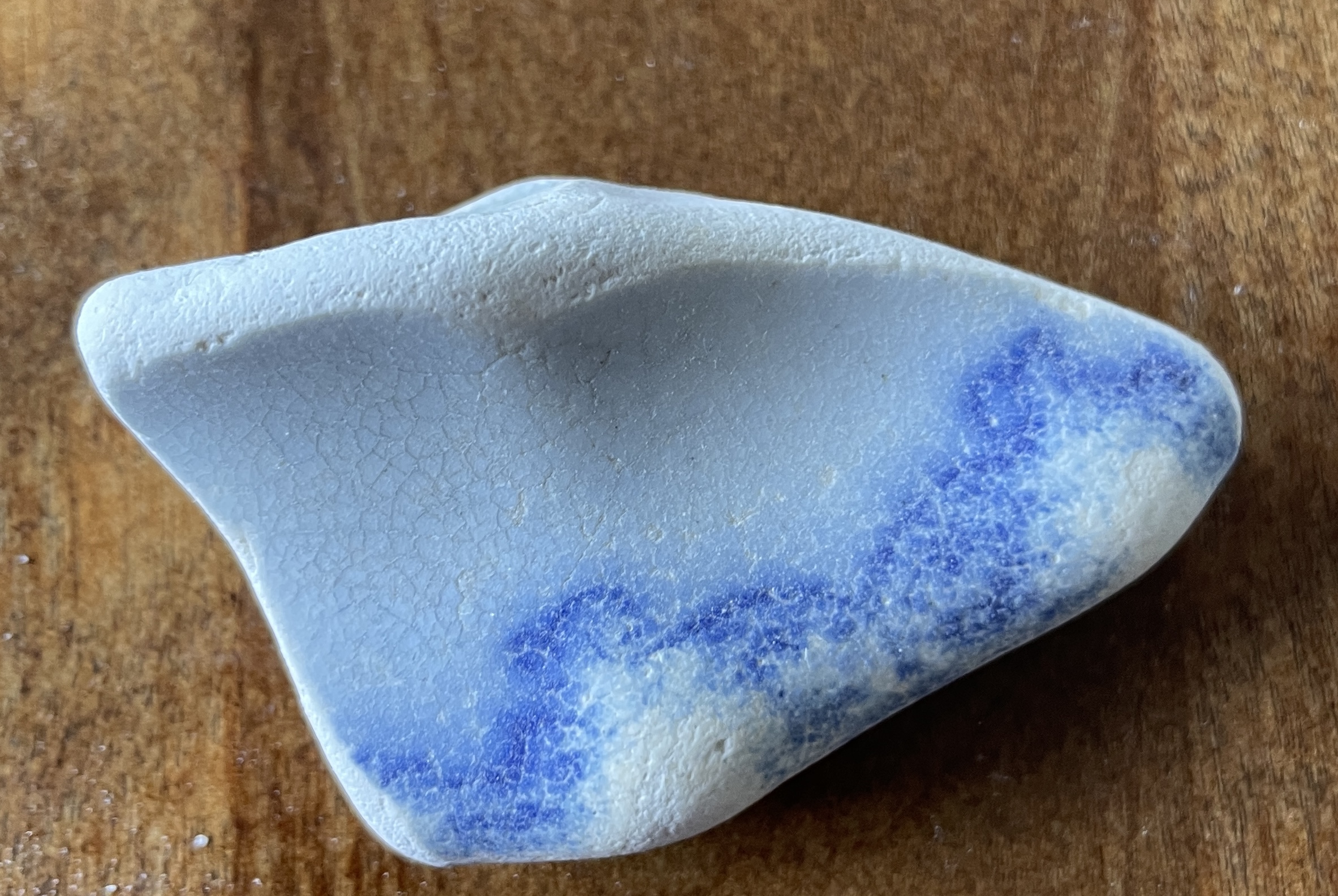
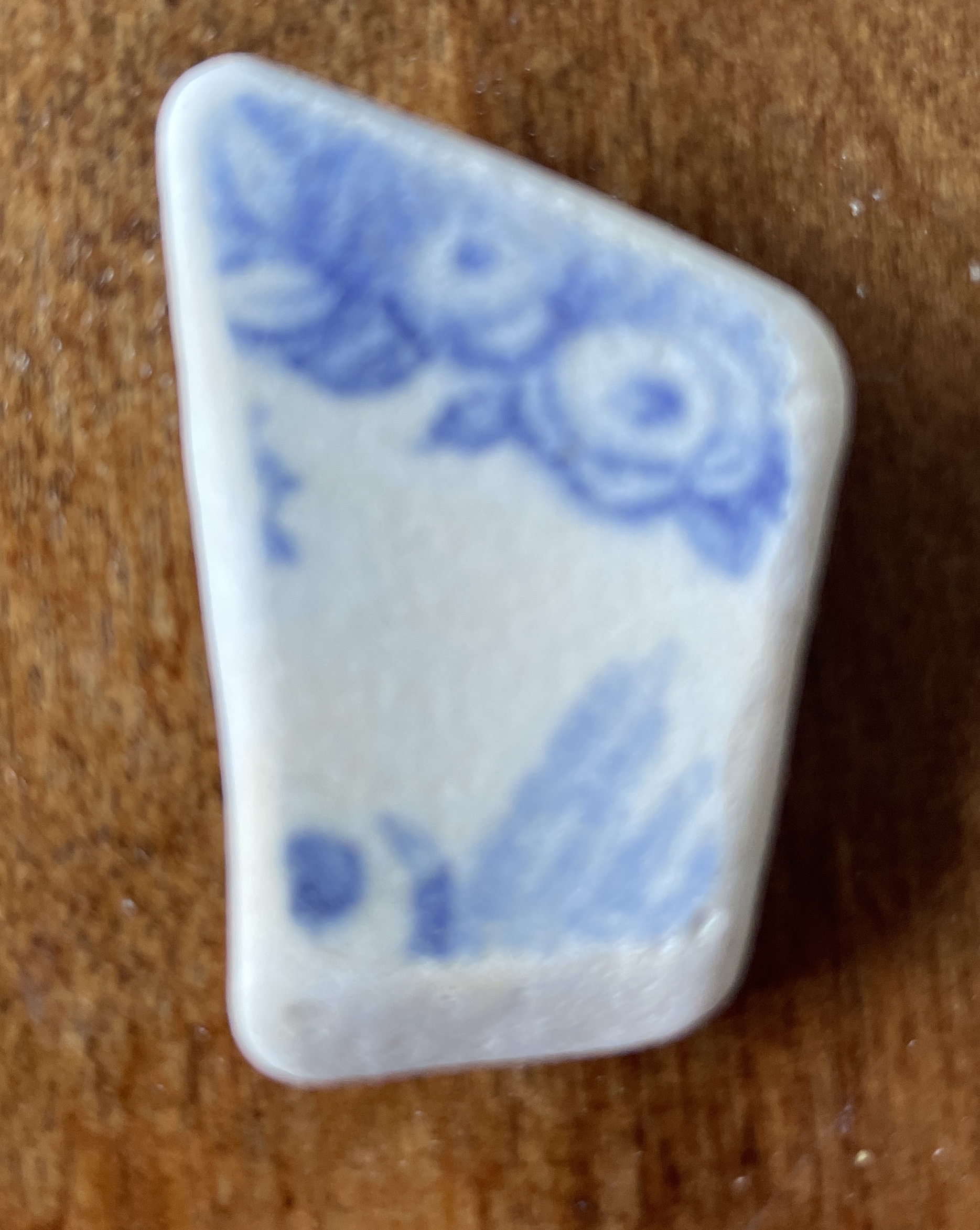
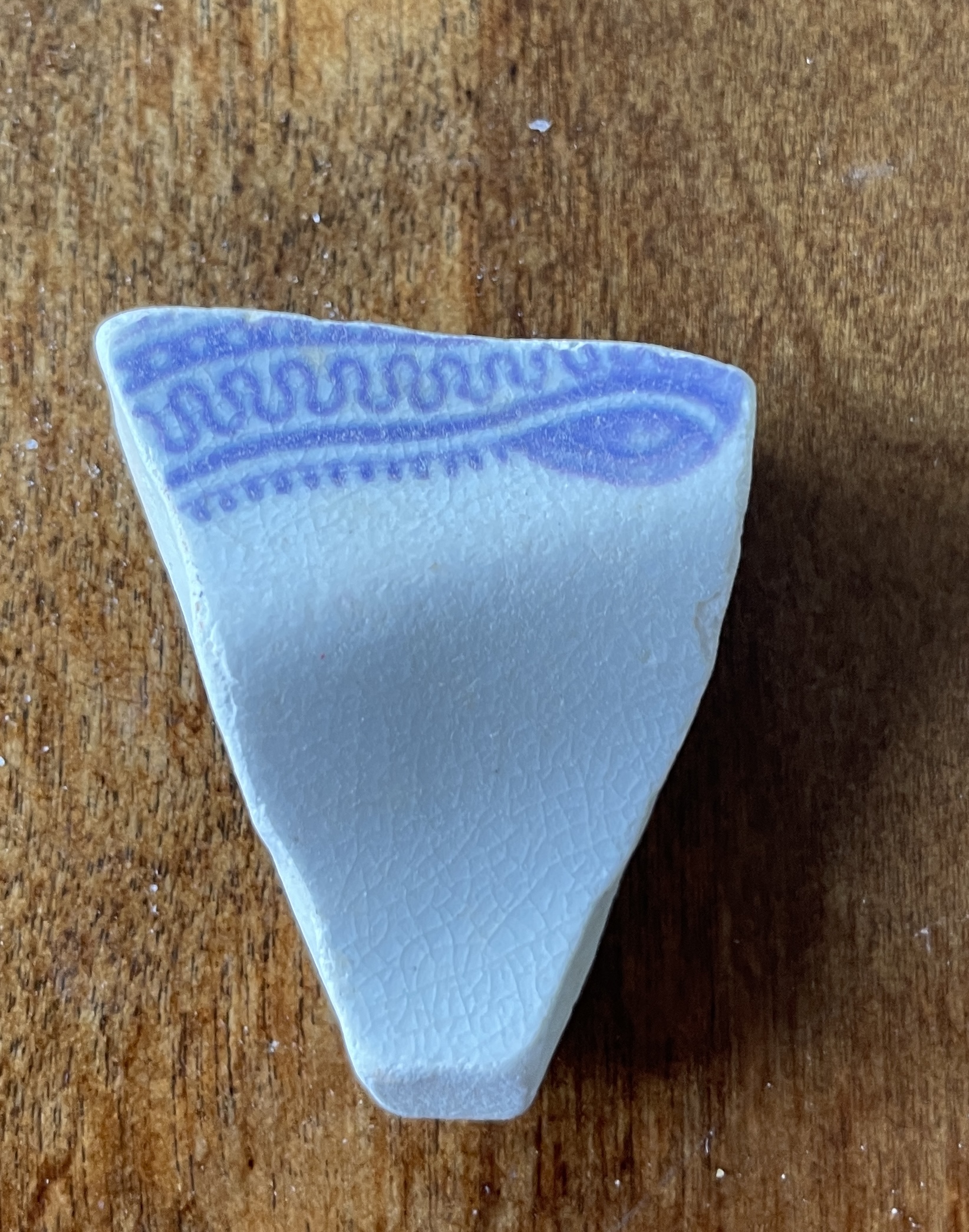
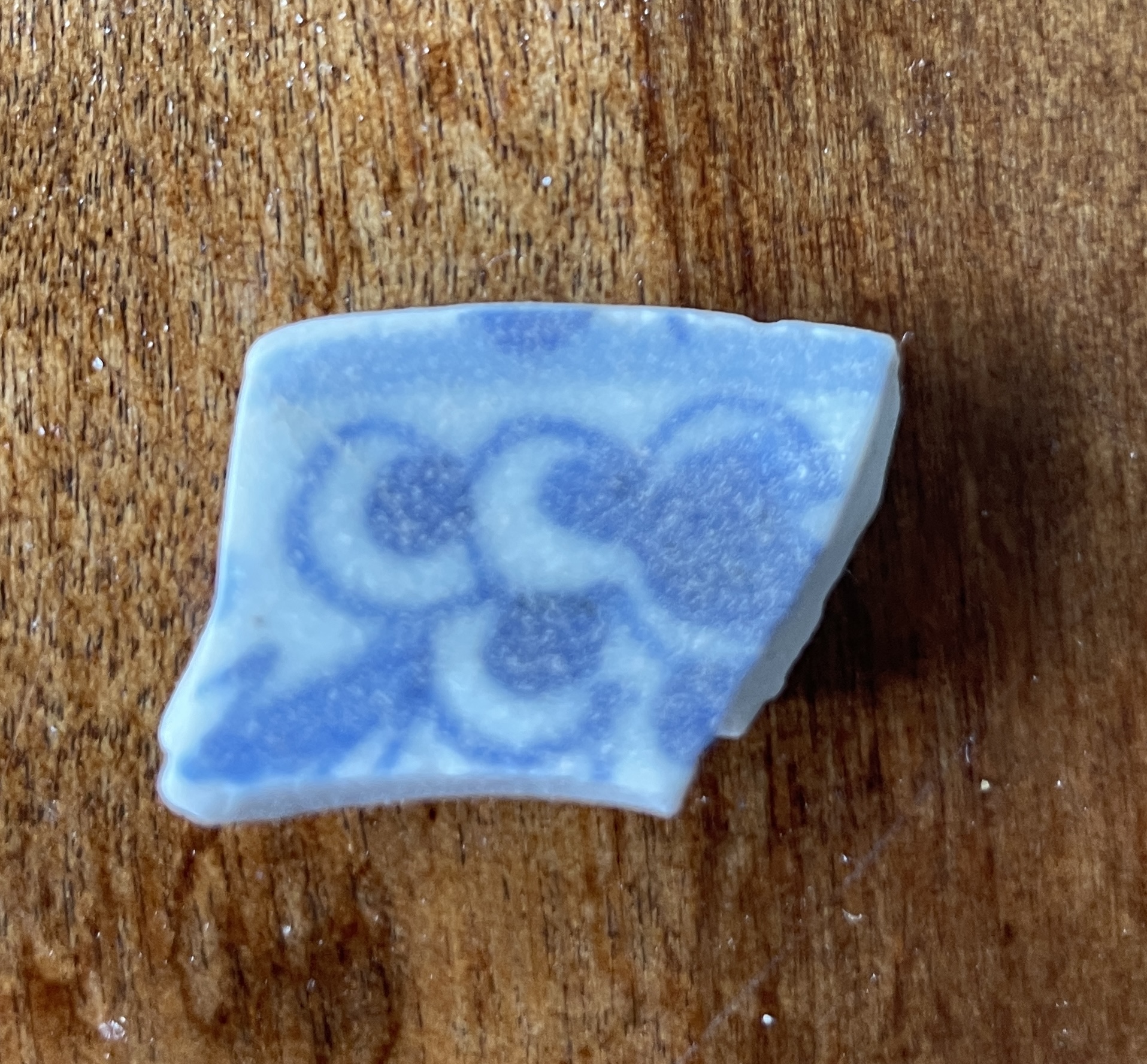
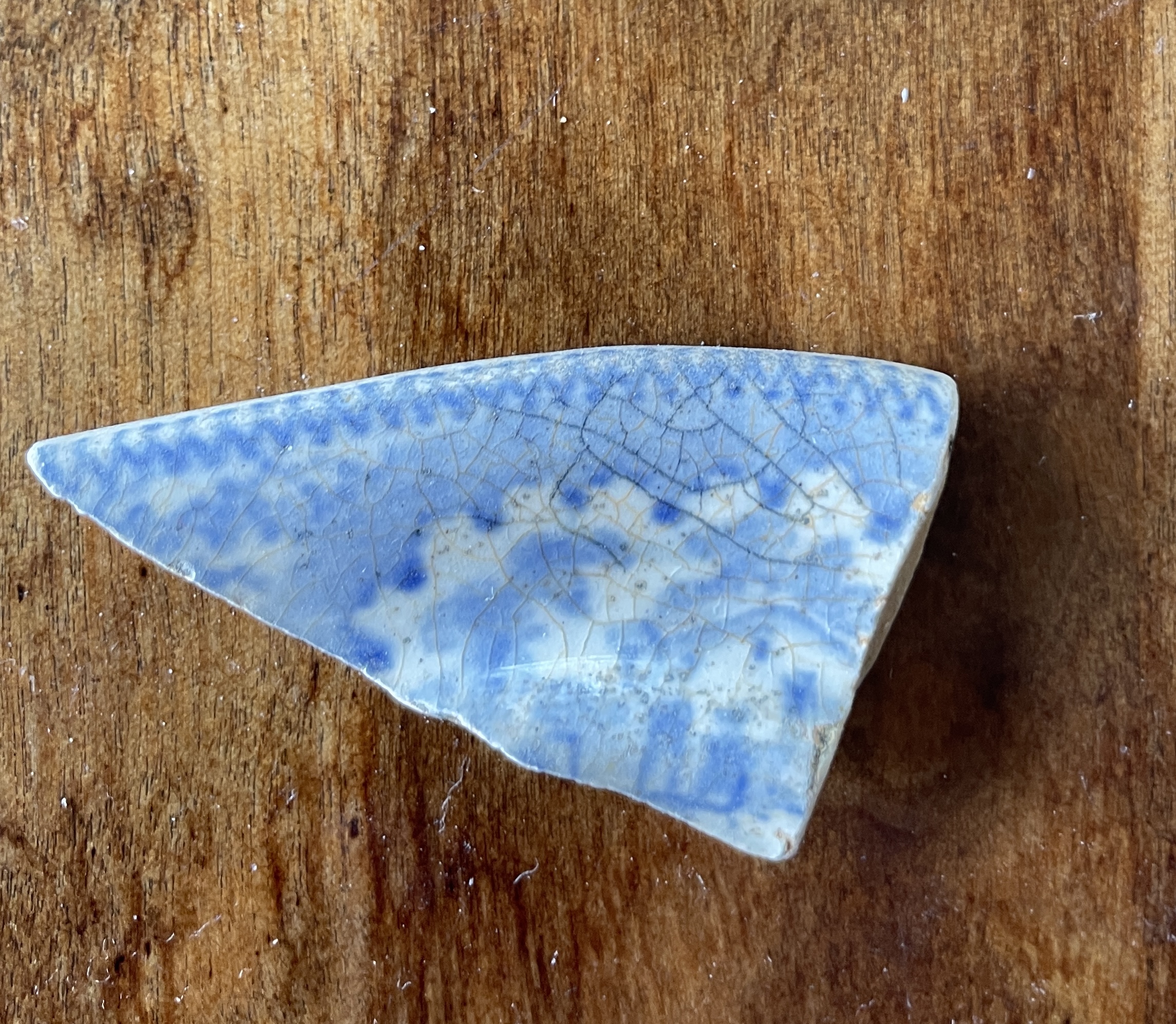
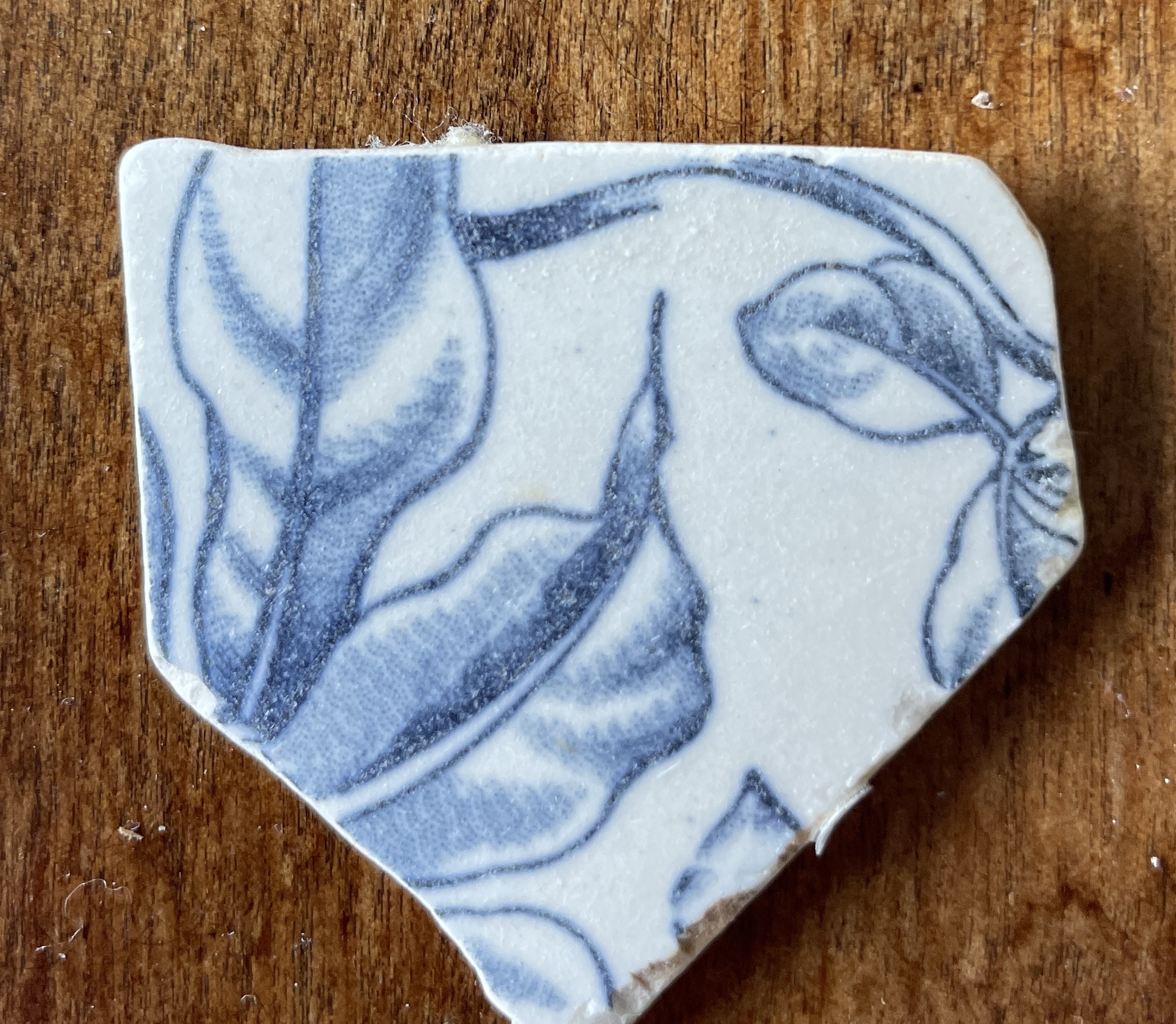
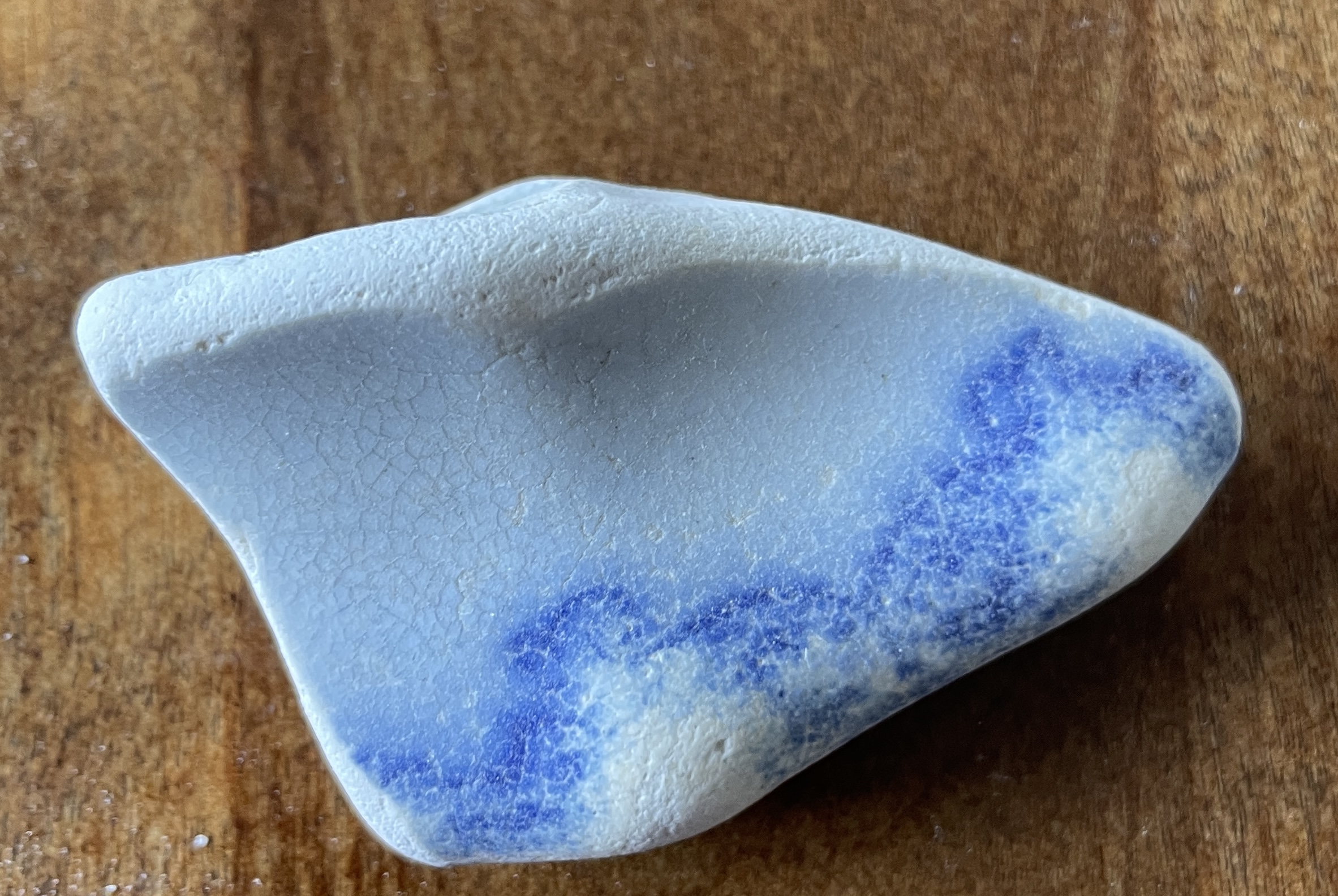
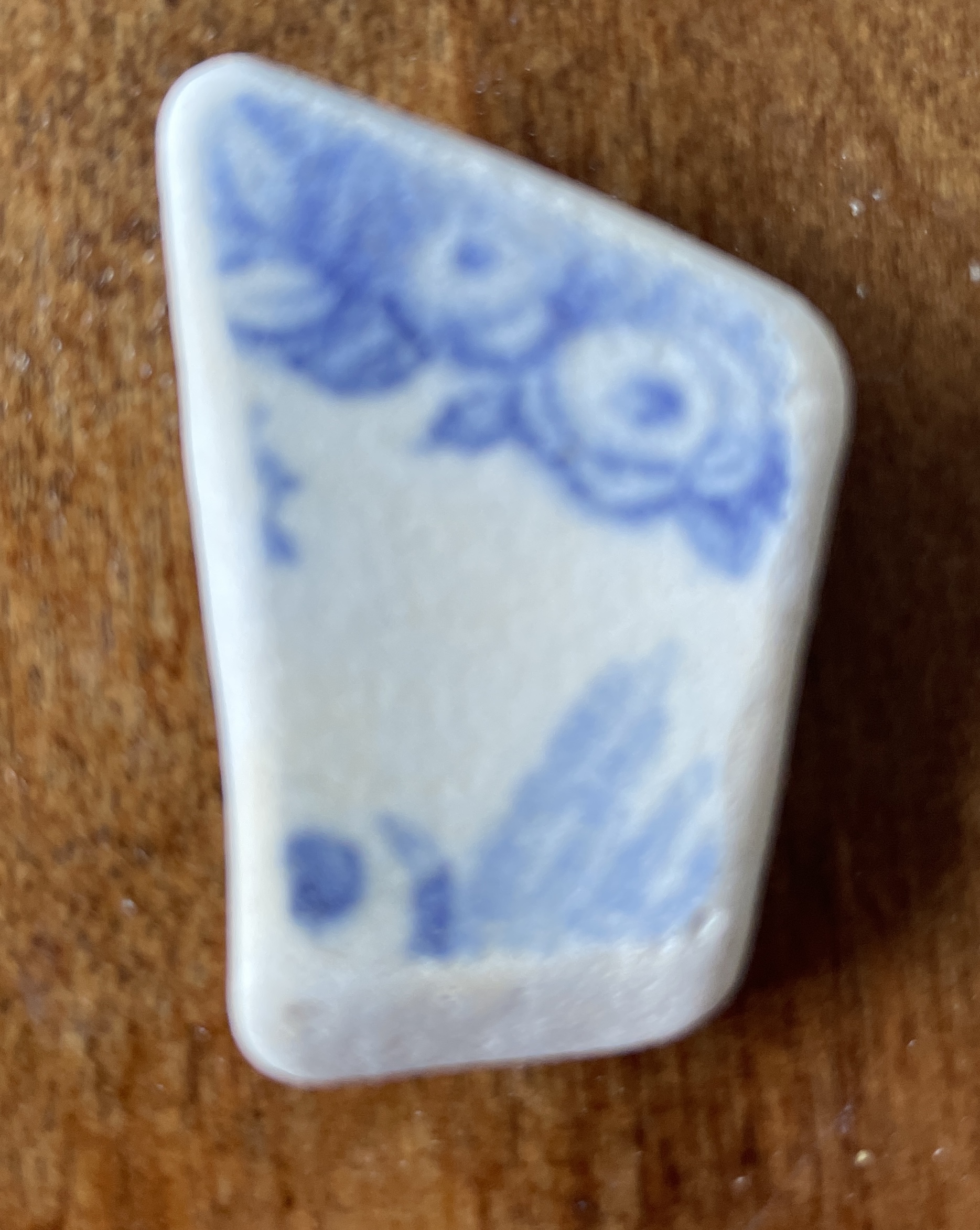
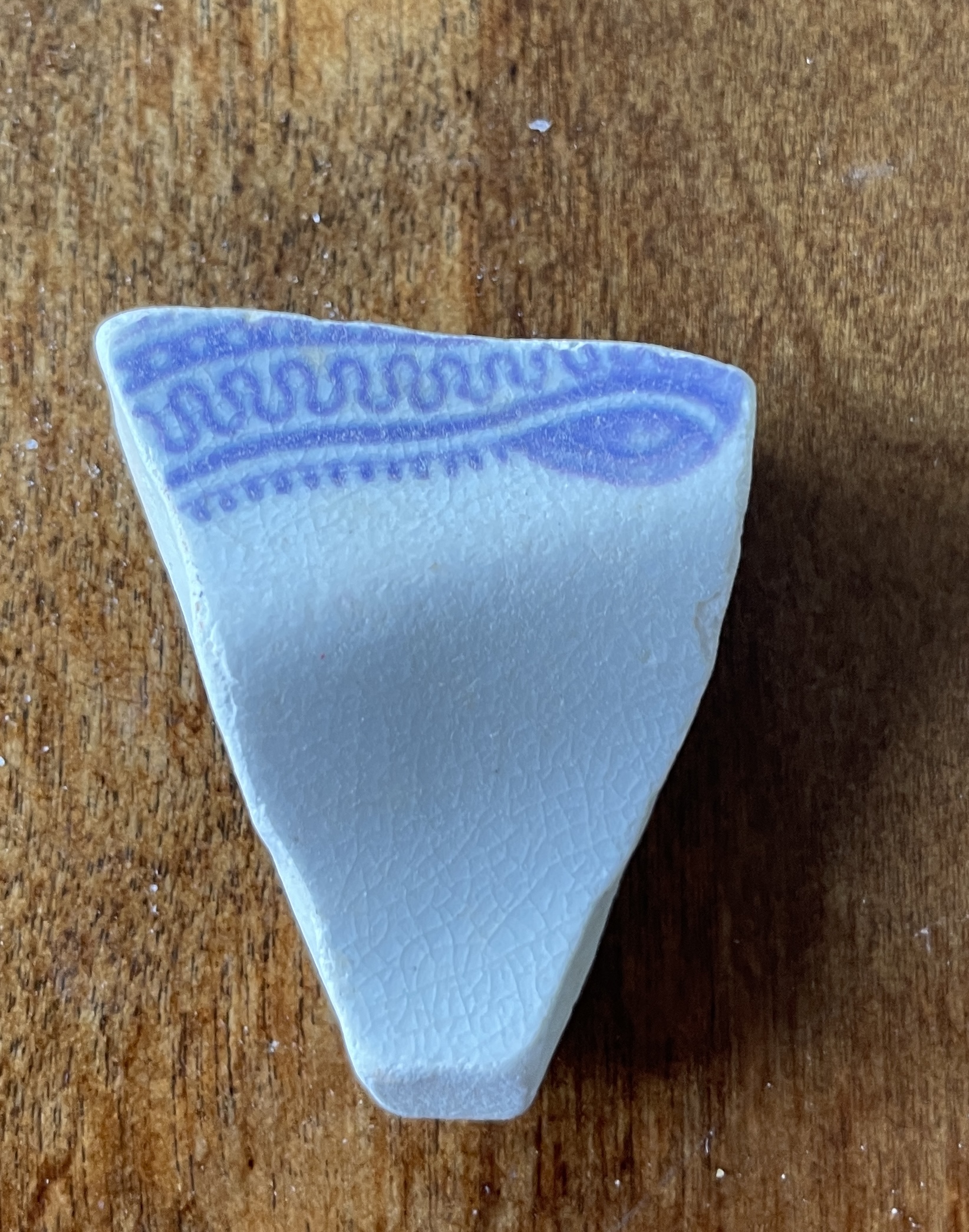
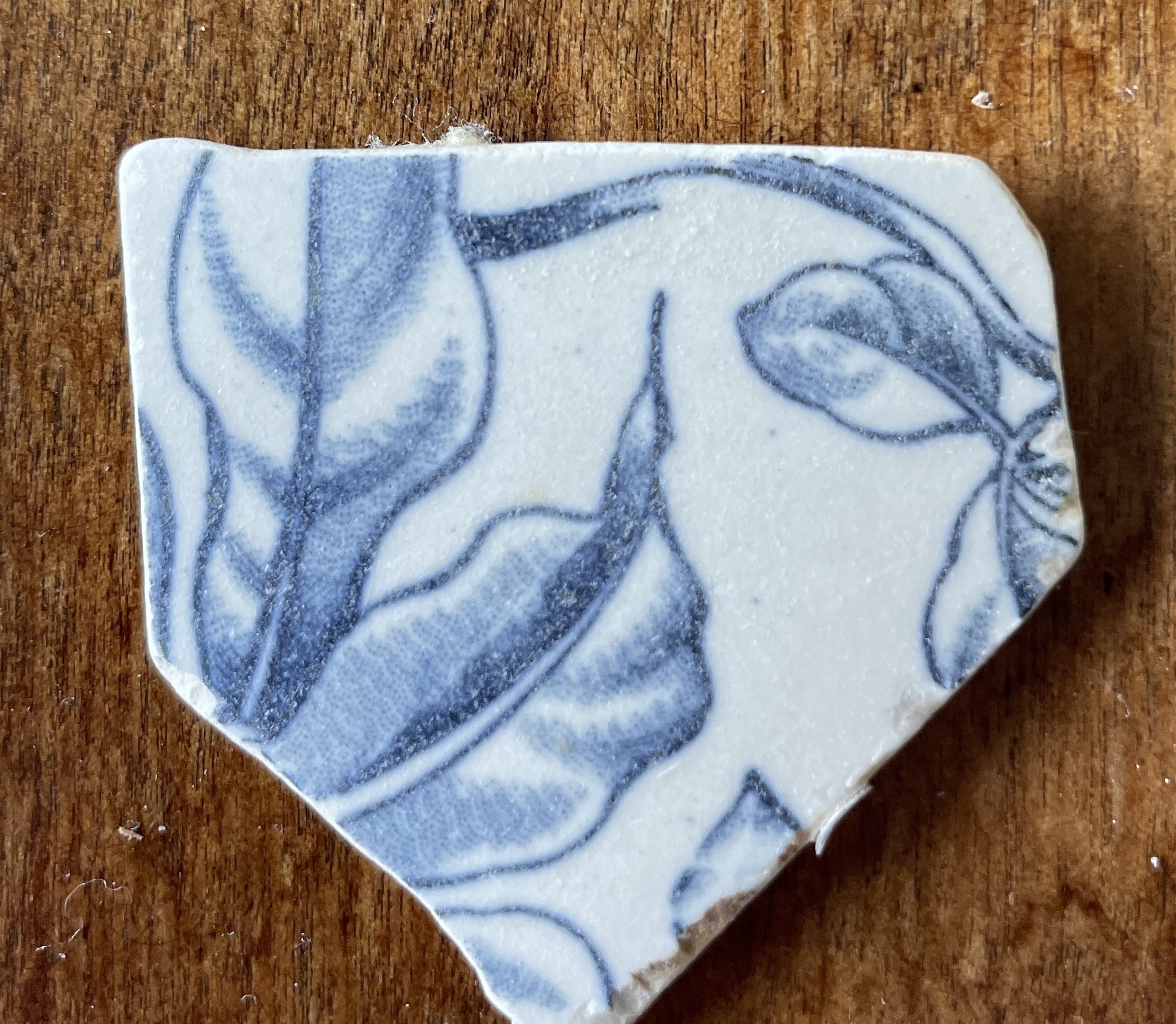
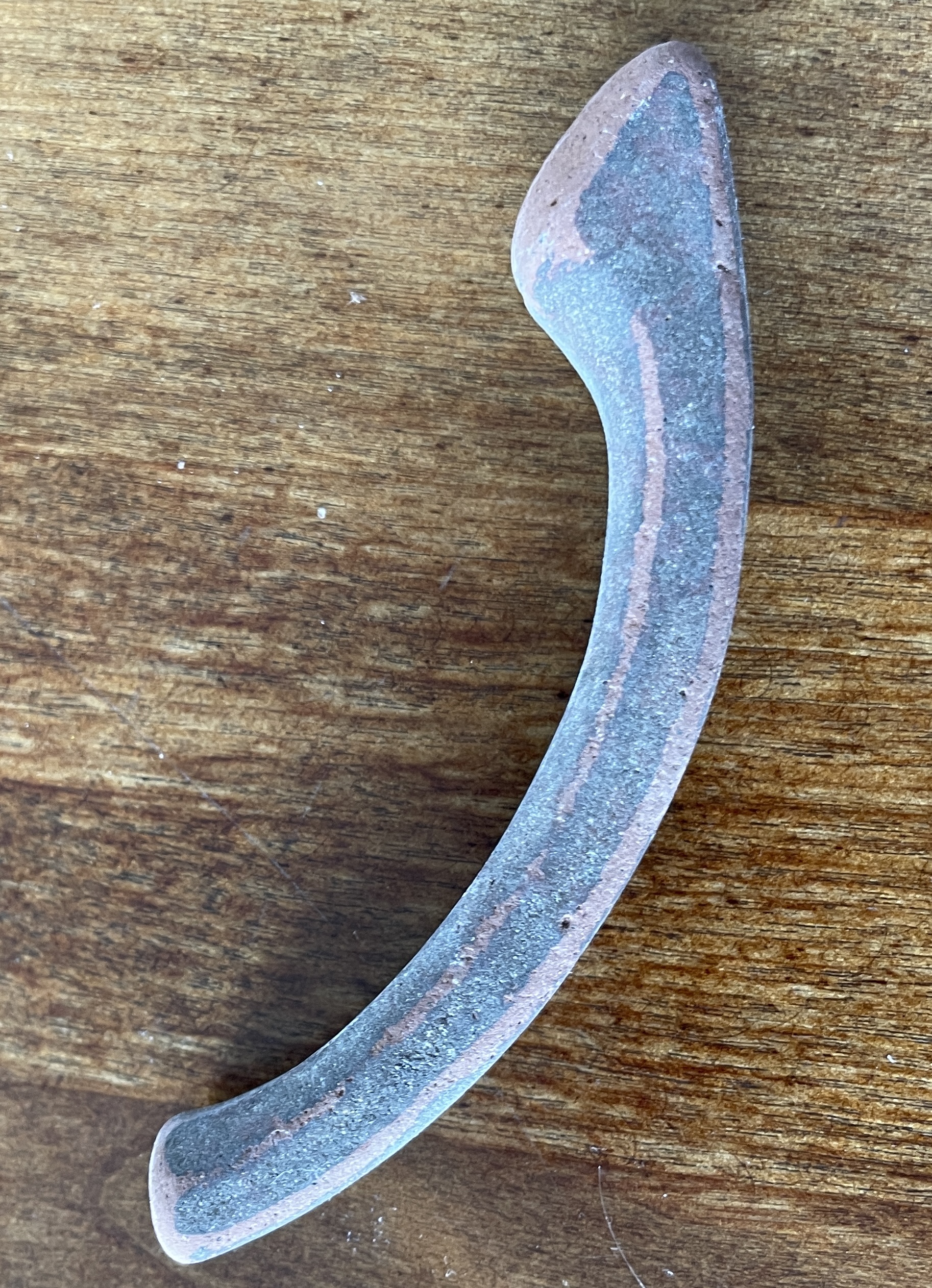
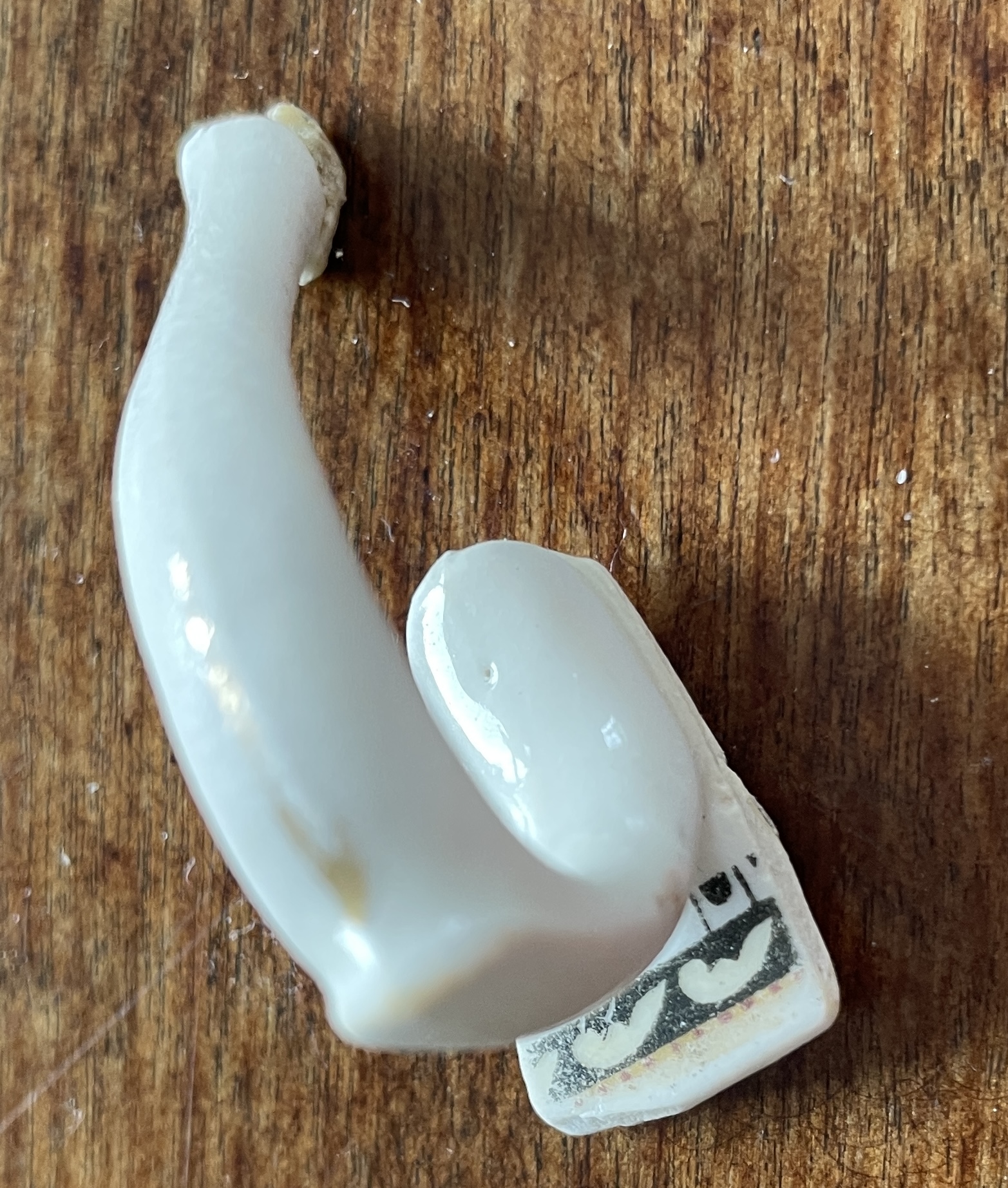
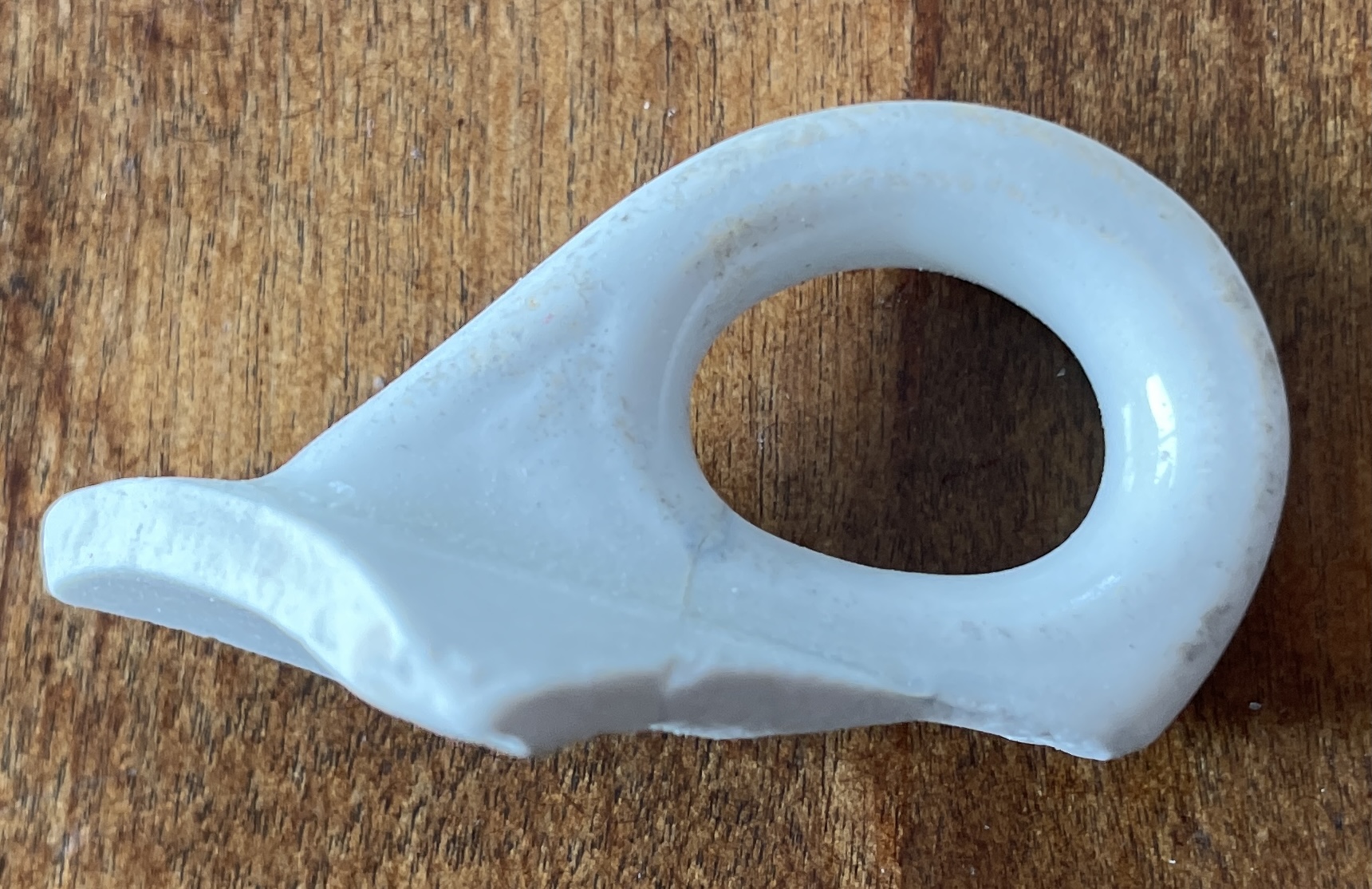
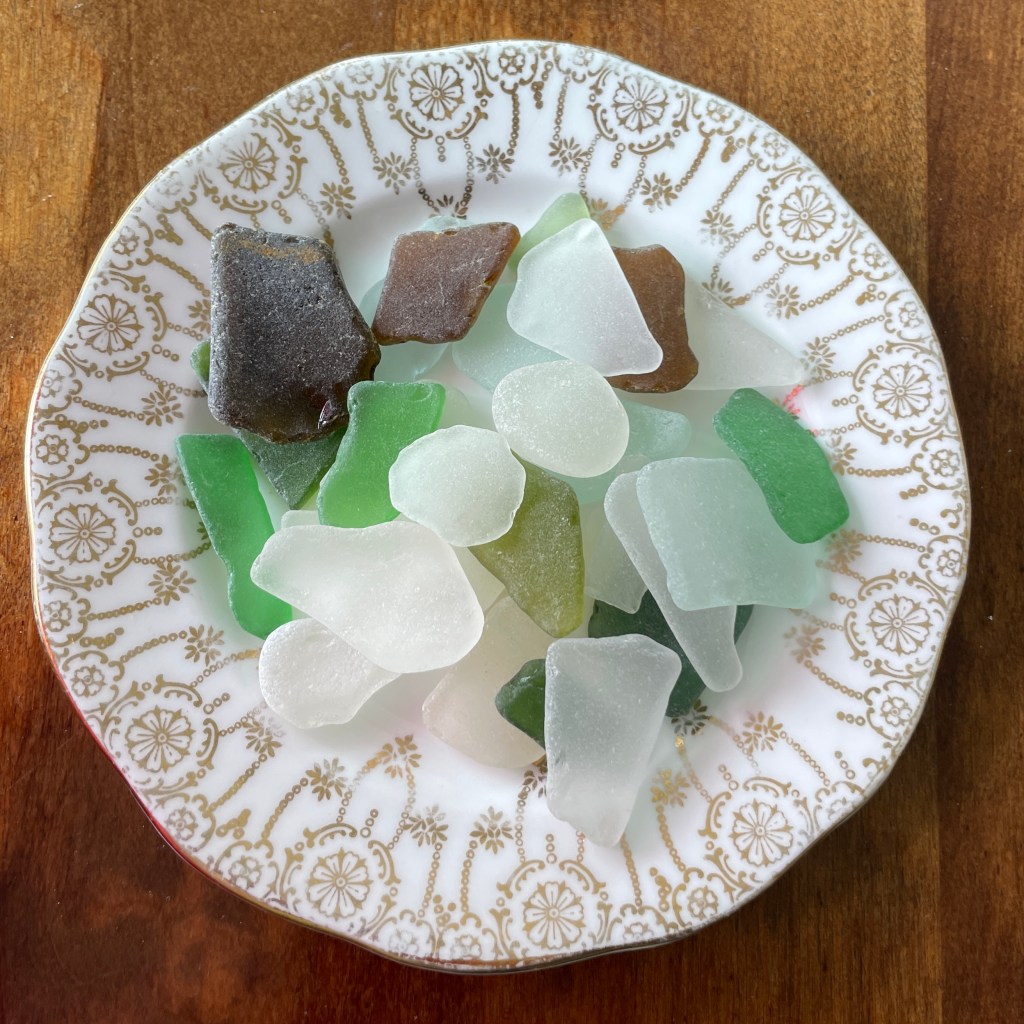
There are always treasures to be found, Sea glass which has been in the solent for possibly hundreds of years and china that has probably at some stage been thrown overboard from boats . Below a few of my finds which I have collected along with rubbish.

Culver Down.

The beach is surrounded by cliffs with access to Culver down with stunning views looking towards Sandown and beyond. Anyone can walk along the coastal path from here and get to the top of Culver Down within about twenty minutes.

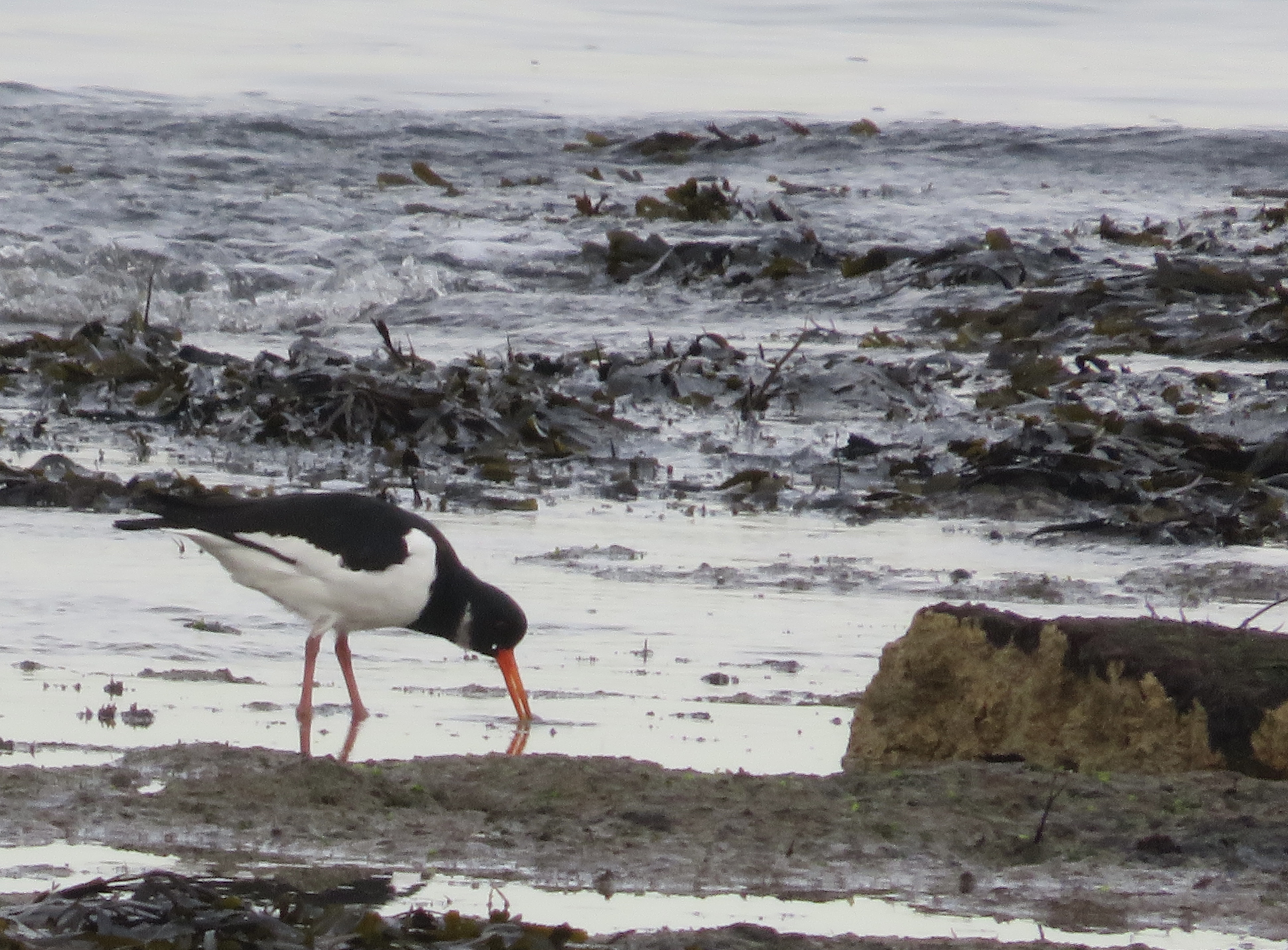
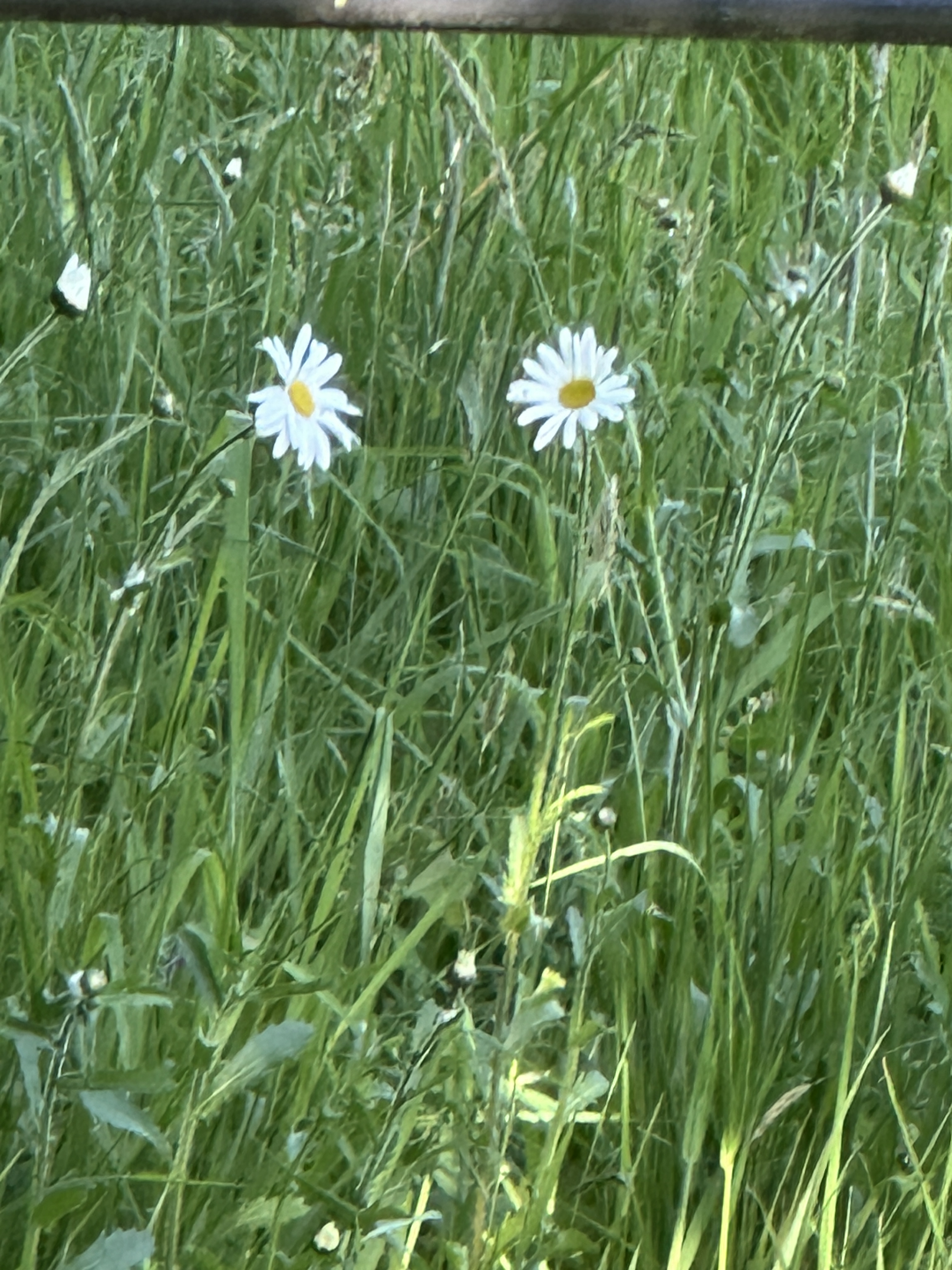
Historically Culver has been known for breeding Peregrines as well as common Woodpigeons ( Culvers) the source of the cliffs name.You often see Cattle grazing there now plus there are wild flowers and orchids to be found .

French invasion 1545

Whitecliff Bay was invaded by the French in 1545 .On the 21st July the French landed on the Isle of Wight on Whitecliff Bay and would try and cross Bembridge Down in order to attack Sandown , another party landed at Bonchurch with the intention of linking up at Sandown .

The French force was intercepted crossing from it’s beachhead at Whitecliff bay to attack Sandown by locals under Sir John Oglander and a skirmish was fought on the down . The French were finally repulsed at Sandown.

The Battle of the Solent on 19th July 1545 saw 200 French ships attempt to invade England .It also saw the last action of the Mary Rose.

Back to home

Findings on the beach.

While walking on the beaches on the island , its amazing what you can find while walking and keeping your head down . ..and having patience ! But you can come across some lovely bits of china or sea glass that have usually fallen from ships or boats.

We have mainly found china pieces along the beach by the side of Ryde or Sandown pier as well as sea glass. I love the bits that have writing on that would have started out as an earthen ware container.

My favourite to collect is blue china , which is usually well worn and and a bit faded in colour but amazing how the colours are still good considering the time some of it has been in the solent .

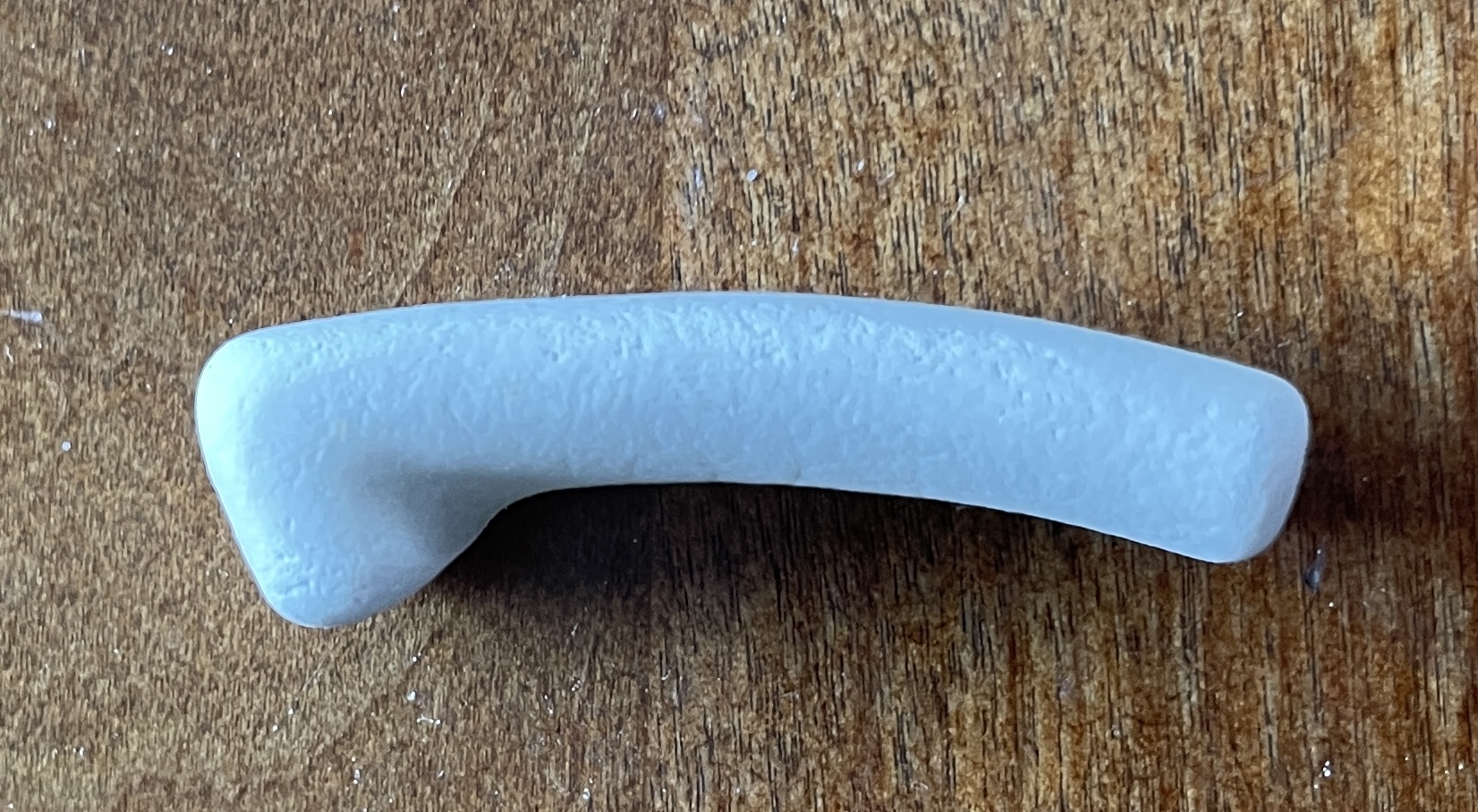
Then there are handles which of course at one time would have been joined to a cup , mug or jug .

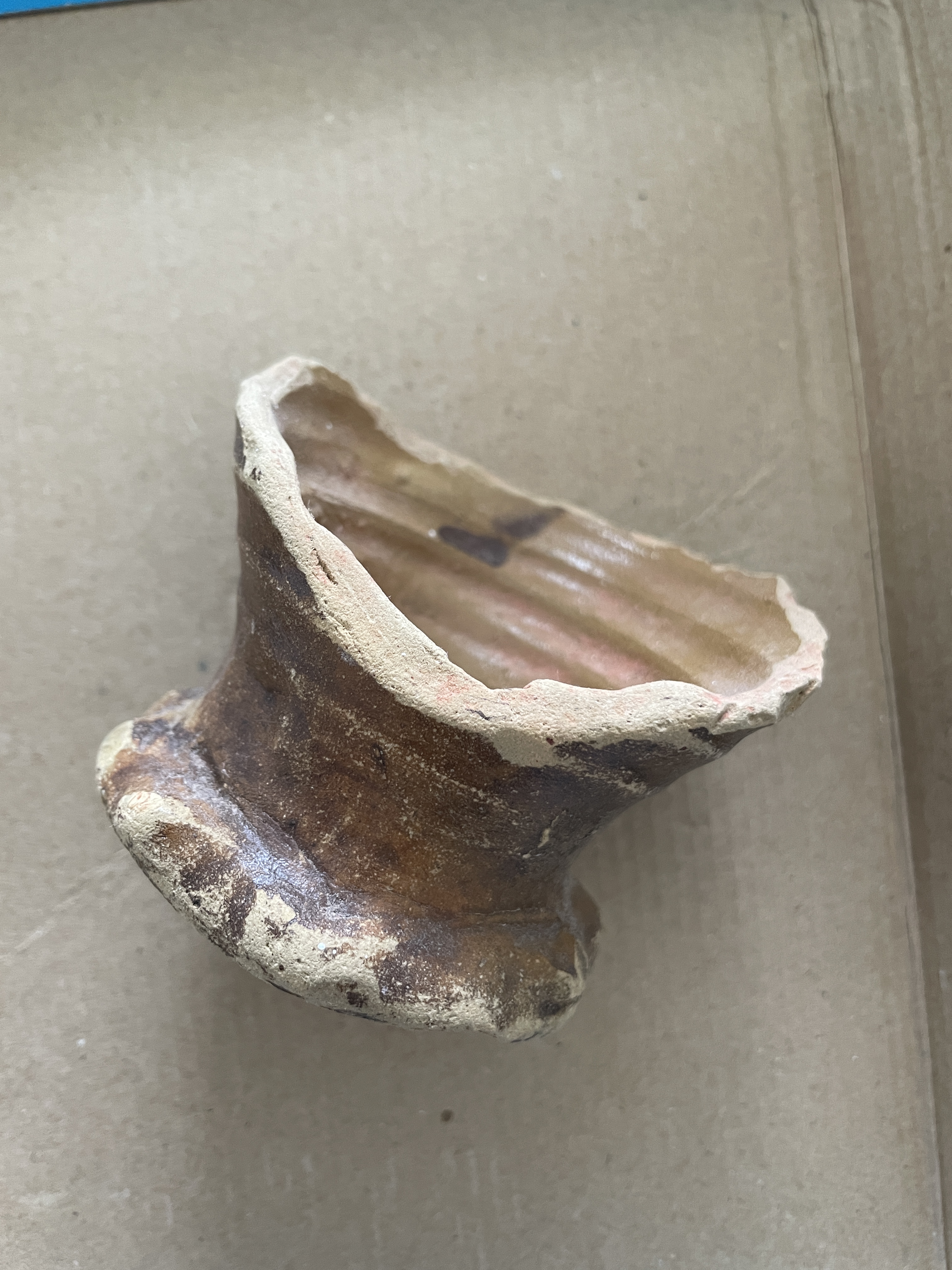
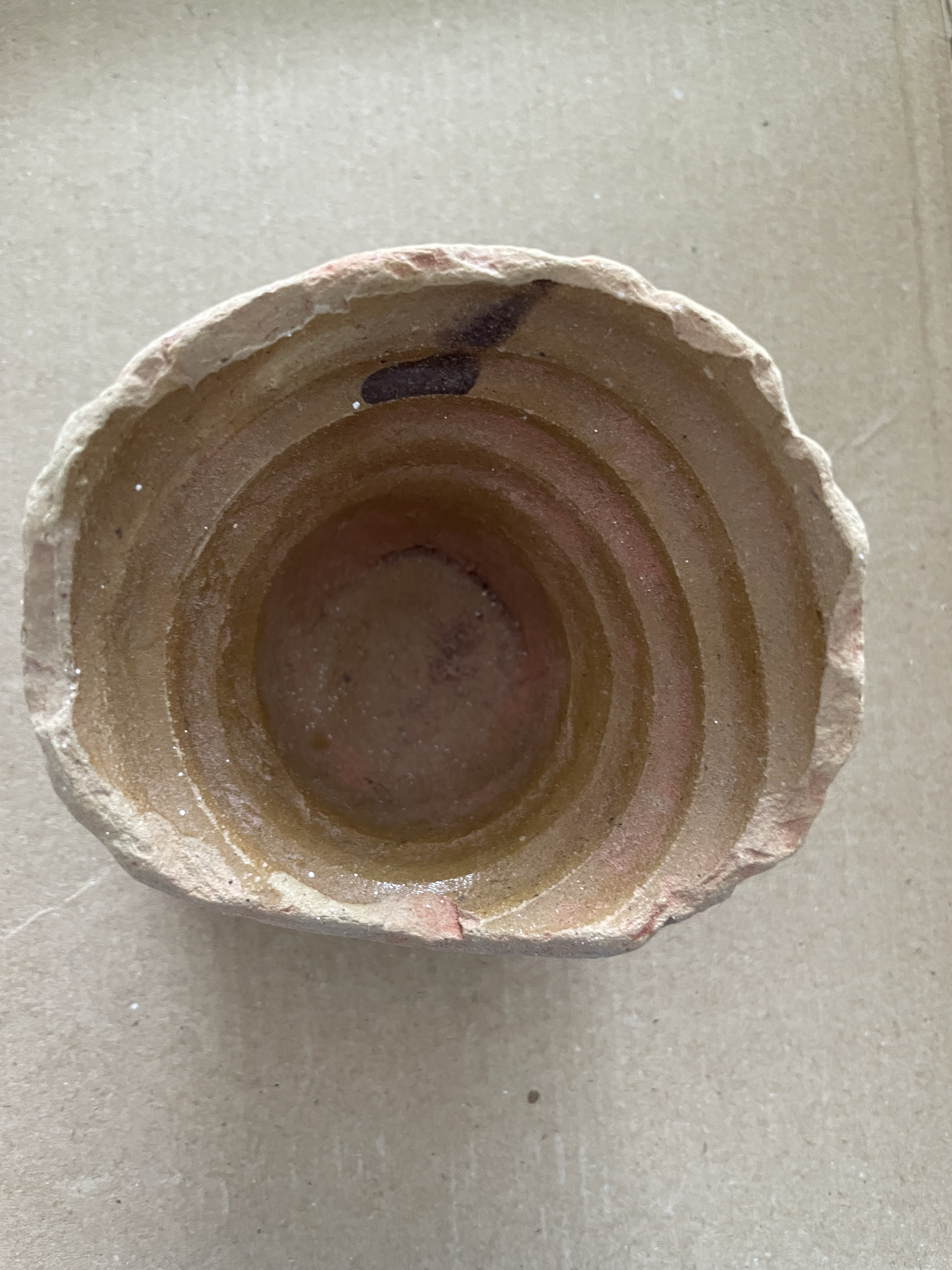
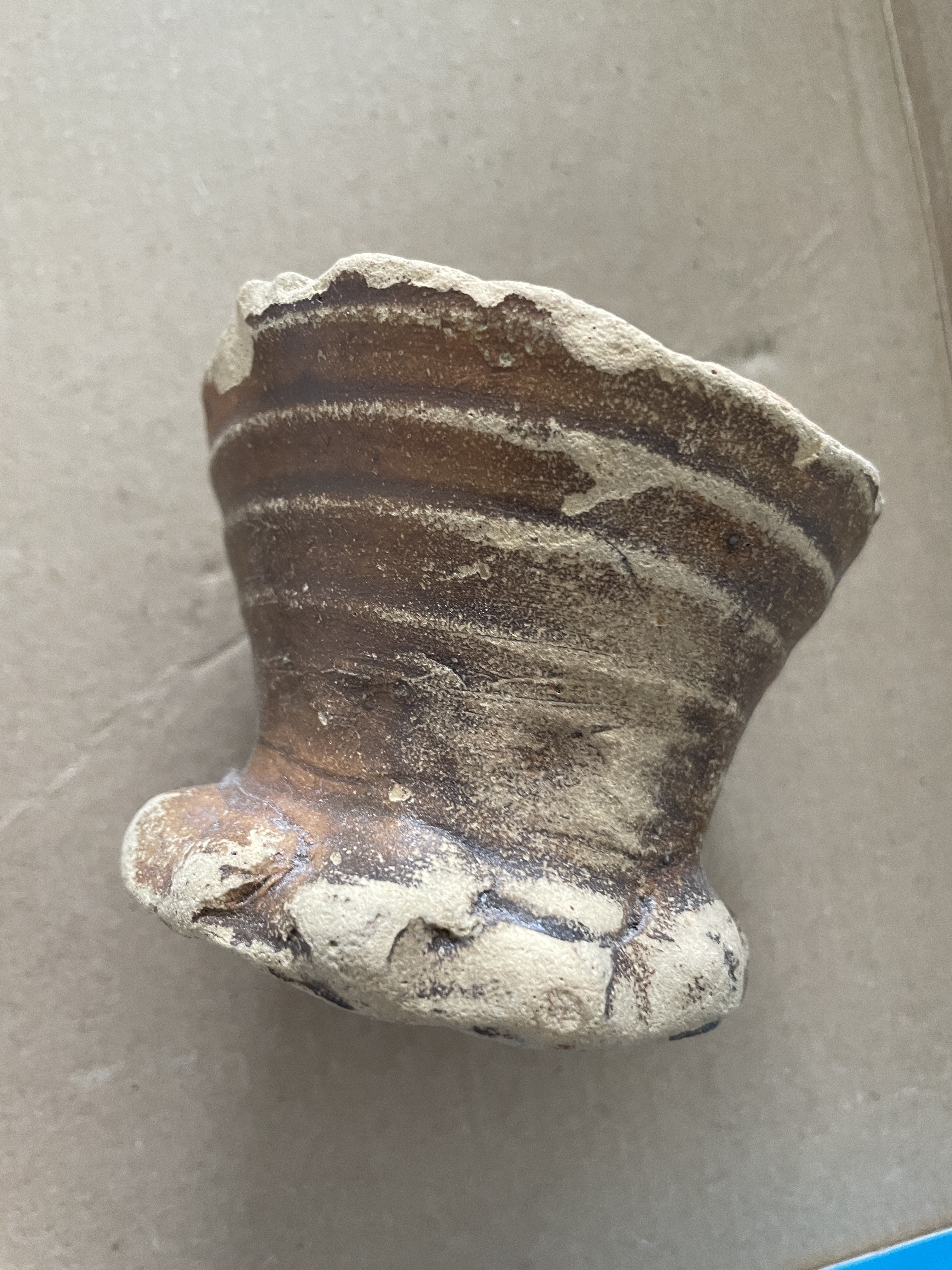
My best find was down by Ryde Pier it is what they apparently call a pie crust dish obviously because of the base . We took it to Newport museum to be checked and was told by the expert there that it was 16th century which makes it round about Henry VIII s reign..So exciting . One of my most treasured pieces.

Sea glass is naturally weathered glass which often looks like tumbled stones and is found along shores and beaches. It looks like frosted glass and is tumbled and tossed about in salt water until the edges are smooth and the glass loses its slick appearance .

Sea glass takes 20 – 40 years and sometimes over 100 years to get its appearance.

most common colours are colours of sea glass are brown , green white and clear and generally come from beverage bottles. Less common are types of green which comes from early to mid 1900s they come from ink , fruit and baking soda bottles . These are found in every 50 – 100 pieces.

Less common also is blue from early milk and magnesia bottles ,poison bottles and Vick vapour rub containers.These colours are found once for every 200 – 1000 pieces found.